
HVAC Repair in Colville, WA
Homes here need heat from September through June and cooling from July through August. If your system quits, tell us what it's doing and a licensed contractor who covers Stevens County will get in touch.
Tell us about the job
It takes about a minute.
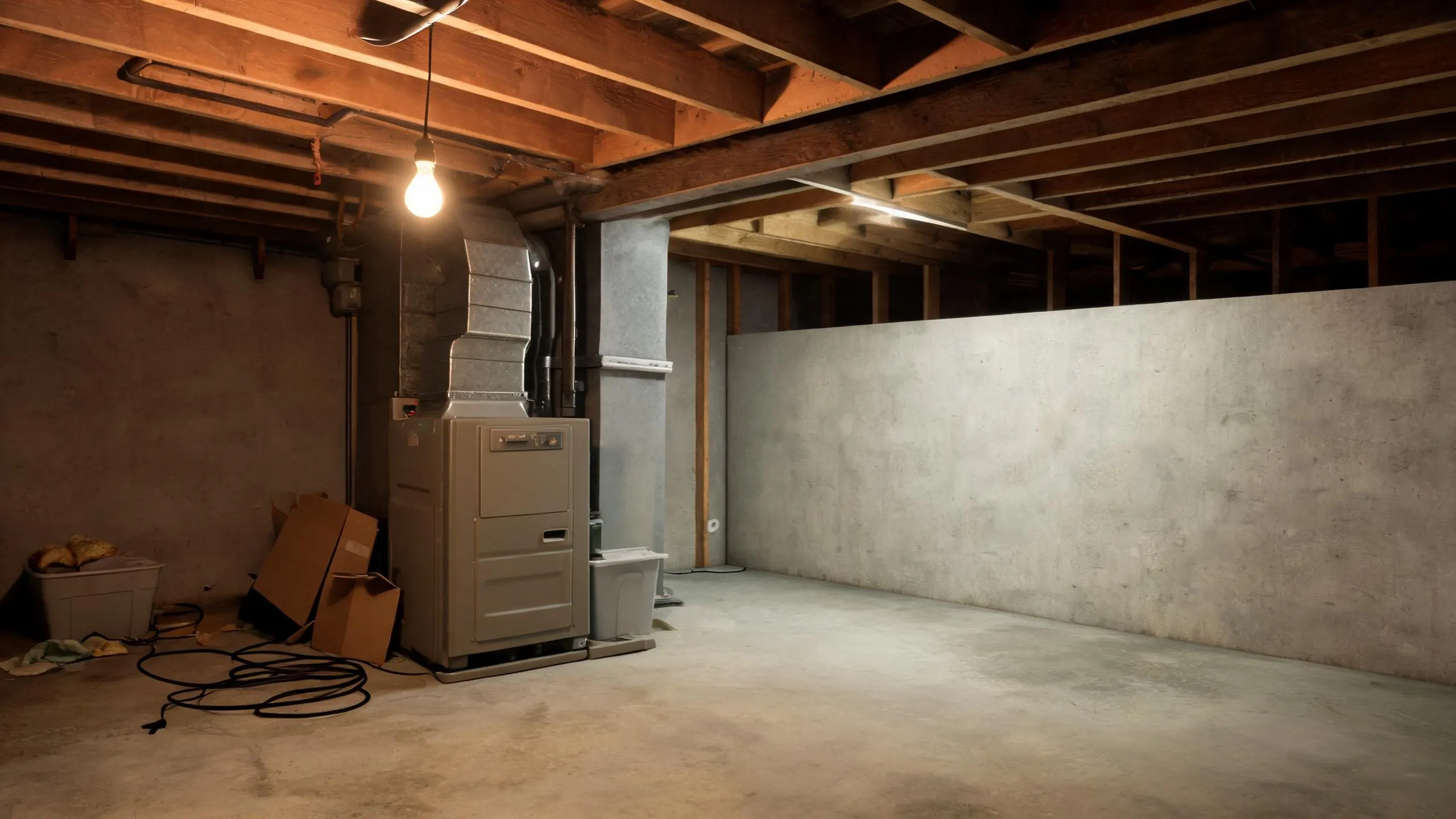
Ten months of heat, two of cooling, and not much room in between
Your furnace is the machine that matters most in Colville. It runs from September through June, and on winter nights that average 21°F it cycles on and off for hours at a time. Each start puts a load on the igniter and the heat exchanger. Over years of that many cycles, those are the parts that fail, and you notice it as a system that runs longer to keep up or stops lighting at all.
Summer is short here, just July and August, with afternoons around 79°F. The air conditioner gets far less use than the furnace, so a refrigerant leak or a failing capacitor can sit unnoticed all year until the first hot day, and then the house doesn't cool down. 43.2% of homes here heat with electricity, and this area has seen 319 winter storms and 31 damaging wind events over the past ten years. When the power goes out, the furnace goes down with it. Most systems restart on their own once power is back, but if yours doesn't, that's worth a call.
- 10 months
- September through June, your system heats
- 2 months
- July through August, it cools
- 21°F
- the average winter night it heats against
- 79°F
- the average summer afternoon it cools against
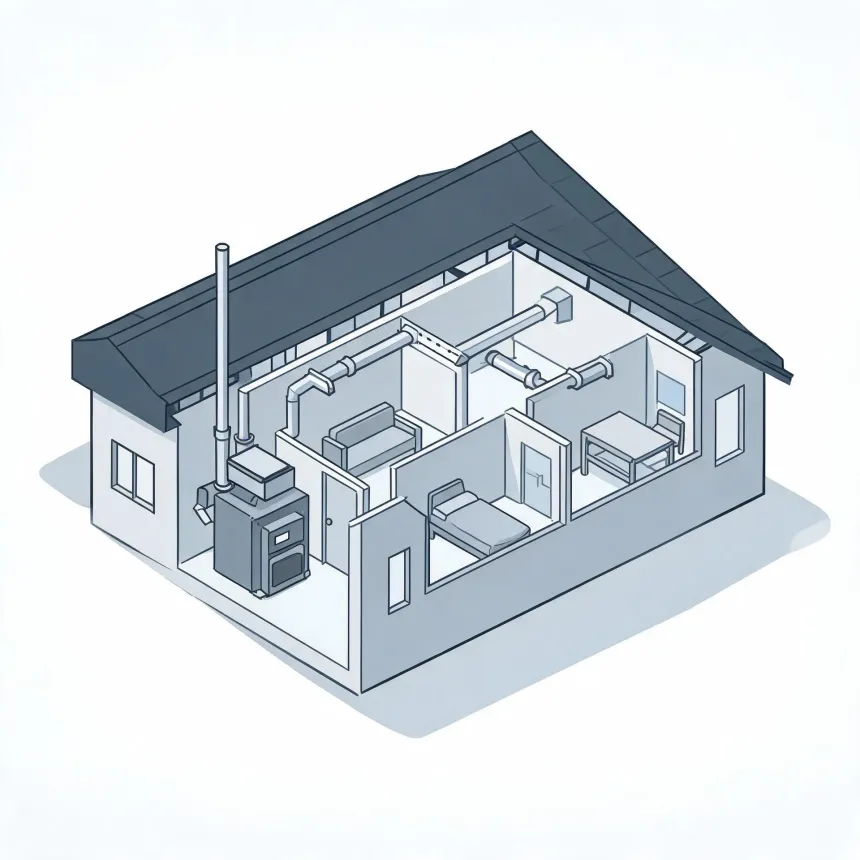
NOAA nClimDiv, 1991–2020 normals
Washington requires contractors to register with the state.
Registration puts the business on file with the Department of Labor and Industries. There is no trade exam attached to it, and nothing in that process tests what a contractor knows about furnaces, heat pumps, or the refrigerant side of a cooling system.
For a repair like this, the registration confirms the business is on file with the state. That is what it does. It does not speak to whether the person doing this particular job knows how to do it.
Source: Washington State Legislature
- Why is my heat not working?
- The most common cause is the thermostat, the power to the furnace, or the igniter. Check that the thermostat is set to heat and the temperature is above room temperature, and check the breaker and the furnace switch, which looks like a light switch near the unit. If those are fine, the igniter may have failed, and that is a repair for a contractor. With winter nights here averaging 21°F, it is worth checking these things right away rather than waiting.
- Why is my system running but not cooling the house?
- If the blower is running but the air is not cold, check the filter first. A clogged filter blocks airflow across the coil and can cause it to ice over, and once that happens the system blows warm air until the ice melts. Also check that the outdoor unit is running and not covered in debris. If the filter is clean and the outdoor unit is running but the house still is not cooling, the system likely needs a contractor to look at it.
- What can I check before calling for HVAC repair?
- Start with the thermostat. Confirm it is set to the right mode, the temperature is set past room temperature, and the display is lit. Then check the breaker for the system and, for a furnace, the power switch near the unit. Check the filter too, since a dirty filter can cause both weak heat and weak cooling. If all of that checks out and the system still is not working, a contractor will need to diagnose it.