Dryer taking too long to dry in Tacoma, WA

One request and the dryer vent cleaning stops waiting on you.

I'm done searching

Why is my dryer taking so long to dry clothes?

A load that used to take forty minutes now runs through two cycles and still comes out damp. You've checked the lint trap, maybe run it again, and nothing changes. Before you call anyone, you want to know what's actually going on, because a dryer that won't dry is usually telling you something specific about the vent, not the machine itself.

A blocked or clogged vent is almost always the cause

The dryer heats air, pushes it through the drum, and sends the wet air out through the vent. When lint builds up inside that vent pipe, the air can't leave fast enough, so the moisture stays in the drum with your clothes. The dryer senses the load is still wet and keeps running, cycle after cycle. This builds up slowly, so most homes don't notice until the vent is mostly blocked. Winters here push that along faster, since the dryer runs longer and more often to keep up with laundry when everything else is damp from being outside. A vent that was clearing air fine in summer can fall behind once the load on it picks up.

A smiling man in a green long-sleeve shirt stands at a dark kitchen counter with a ceramic mug, with wood cabinets, white tile backsplash, and a window and dining table behind him.
A smiling man with wavy dark hair and a beard, wearing a navy sweater, sits at a kitchen counter with a gray mug, with a dining table, potted plant and windows behind him.
A bearded man in a dark green sweater smiles and looks to his right while seated at a white kitchen counter with a gray mug, with windows and greenery behind him.
A smiling man in a dark navy sweater stands in a home interior beside a counter with a white mug, with a kitchen, hallway and potted plant in the background.

Why does lint buildup hit your dryer harder here?

  • 2.59 people per household on average

    A household here runs 2.59 people on average, and that's more loads through the same vent every week, which means lint packs the line faster than a one or two person house.

  • Half the homes here were built by 1986

    Half the homes in Pierce County were built in 1986 or earlier. A vent run that old has had decades to collect lint in bends and joints a newer, straighter run wouldn't have.

  • Power here costs 13.52 cents per kilowatt-hour

    Power here runs 13.52 cents per kilowatt-hour, cheap enough that a dryer running two cycles instead of one barely shows up on the bill, so a slow dryer can go unnoticed for months.

ACS 2020-2024 · EIA-861 2025

A white hooded exterior vent cover with a mesh screen mounted on gray lap siding above a concrete foundation.

The vent clear

Air moves through the hood with every cycle and pushes the flap open from the inside. The screen stays clean because lint is riding out on the airflow, not catching on the edges. A dryer vented like this finishes a load close to the time it's supposed to.

A white plastic hooded dryer vent mounted on beige lap siding, with gray lint clogging its louvered opening and hanging below it.

The vent clogged

Lint has built up across the opening until the flap can't shut all the way and fibers hang loose from it. Air that should carry heat and moisture outside is backing up into the duct instead. That's what turns a forty minute cycle into two.

Is your dryer telling you something is wrong?

You've probably noticed the top of the dryer getting hot to the touch, or the laundry room warmer than it should be after a load. The clothes come out smelling faintly off instead of clean, even with fresh detergent. Maybe you've gone out to the vent hood on the outside of the house and felt barely any air coming out, or noticed it's not pushing the flap open the way it used to. A dryer working this hard to move air is also working its heating element harder than it was built for, and a vent packed tight enough to slow your drying time is packed tight enough to trap heat that has nowhere to go.

A pile of beige, navy, and teal towels sits on top of a washer or dryer in a dim laundry room with a window and an upper cabinet.

It's almost eight on a Tuesday and you're still in the laundry room because the towels never finished. You pull them out of the dryer and they're warm but nowhere close to dry, heavy in your arms the way they were before the cycle started. You pile them on top of the machine and stand there a second, feeling the heat still coming off the lid. The room smells faintly like hot dust. You think about starting a third cycle and decide against it, not tonight. The towels sit there instead, a damp heap waiting for tomorrow, while somewhere behind the wall the vent that's supposed to carry all that warm air outside is doing less than it should.


One request and it's handed off

A dryer that needs two cycles to finish a load isn't drying wrong on its own, it's pushing air against a vent that's partly blocked, and that takes a trained eye to confirm. Someone who services vents around Tacoma and Pierce County every week has pulled lint out of hoods that looked fine from outside and found the duct packed solid a few feet in. That's the kind of thing you find by hand, not by guessing from the laundry room. Sending the request means one local contractor who does this work regularly gets it, not a handful of companies competing for your callback. You stop checking the lint trap every load and wondering if tonight's the night the towels actually finish. The sooner that vent gets checked, the sooner a load behaves the way it used to, forty minutes and done, instead of running long and leaving the room hot and the clothes still damp.

What a clear vent costs you

A dryer pushing air through an open line uses power for one pass of heat. Electricity here is cheap, so that pass costs little. Run the same load through a vent half full of lint and the motor and heating element both run longer to move the same air, through a line working against them the whole time. The meter doesn't know the difference between a cycle doing its job and one fighting a blockage, it just counts the minutes. Two cycles instead of one is close to double the electricity for that load, every time you dry.

What the lint is made of

Lint isn't just fabric fuzz. It's fabric fuzz holding moisture, and moisture is exactly what a dryer is trying to push out through that same vent. A line coated in lint traps some of that water vapor instead of carrying it outside, so the air coming back into the drum is damper than it should be. The dryer senses clothes that haven't dried and keeps heating. In a house running more loads a week, as Pierce County homes tend to, that cycle of trapped moisture and added heat repeats more often than it would in a lighter laundry household.

2.59 people per household on average

At 2.59 people, your house is doing laundry most days, not once a week. Every load pushes more lint through the same vent, so the buildup that slows drying happens sooner than it would in a smaller household.

ACS 2020-2024

Clean it yourself

You can pull the vent cover off the outside wall and clear what you can reach with a vacuum or a brush. That gets the lint sitting right at the hood, and for some houses that's enough to bring the drying time back down. What it won't reach is the lint packed further up the line, past the first bend, where a short brush and a shop vac from outside can't get to it. If your vent runs any real distance between the dryer and the outside wall, or if it bends more than once getting there, the part doing the most damage to airflow is usually out of reach from either end.

Have the line cleared

Clearing the full line means running a rod or a brush system through from the dryer end to the outside hood, in one pass, pulling lint out the whole length rather than just the ends you can reach. Someone who does this in Pierce County every week knows the runs typical to houses here, where the vent usually exits, and what a line looks like when it's actually clear versus just clear at the opening. That's the difference between a load drying in one cycle again and a vent that looks fine from outside but is still choking the airflow in the middle.

A bearded man in a dark t-shirt sits on a light sofa, smiling and looking down toward a laptop screen visible at the bottom edge of the frame, with a blurred living space behind him.
A bearded man in a plaid flannel shirt looks out a window at snow-covered conifer trees, with a steaming ceramic mug on the sill and wooden shelves holding dishes and a plant behind him.

Where this leaves your dryer

  • A dryer that runs two cycles instead of one is almost always pushing air through a vent that's partly blocked, not failing on its own.
  • Clearing what you can reach from the outside hood helps some houses but doesn't touch lint packed further down the line.
  • A household running close to the Pierce County average of 2.59 people pushes more loads through the same vent every week, so the line fills faster than it would in a smaller home.
  • A full inspection and cleaning clears the vent end to end, not just the few feet near the hood.
  • Someone who services vents around Tacoma and Pierce County every week knows which runs clog first and how to clear them without damage.
  • One local contractor takes the job, so you're not fielding calls from several companies for the same vent cleaning.

Two cycles for one load points to the vent, not the machine. Lint builds along the full run, and what you can reach from the outside hood is only the first few feet of it. In a house doing laundry most days, that line fills faster than it would somewhere with fewer people running fewer loads, and clearing just the hood end buys you a little time before the same slowdown comes back.

Getting the whole run cleared, from the drum to the outside wall, is what actually resets the drying time. That's a different job than what a vacuum and a brush can do from outside, and it's the part that needs someone who's done it enough times to know where lint tends to sit heaviest in a vent your length and your layout.

Pierce County runs don't all clog the same way, and someone who works on vents around Tacoma every week has a sense of which setups back up first and why. That's the contractor this page connects you with, one local company rather than a handful of outfits competing for the same small job. You send one request and hear from the person actually doing the work, not a string of callbacks from companies that picked up the same lead.

The dryer itself is probably fine. The air just isn't getting where it needs to go, and that's a straightforward thing to fix once someone's looked at the actual run.

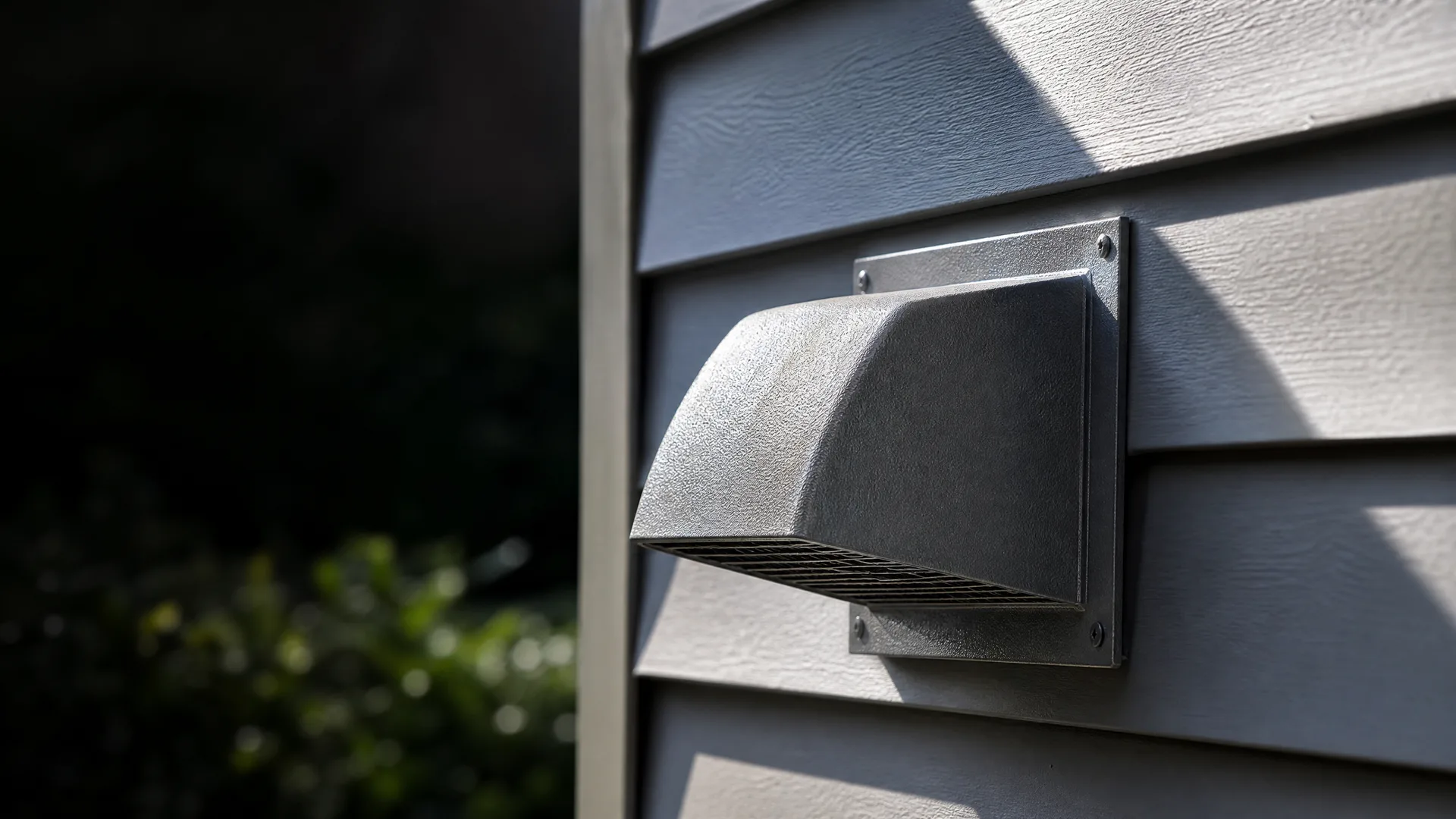
A metal hooded wall vent with a louvered opening mounted on gray horizontal lap siding, with green shrubbery blurred in the dark background.

Done looking for a dryer vent pro

Duct and vent cleaningPierce County, WA
Step 1 of 3

What kind of equipment?