What a clear vent looks like
The hood sits flush against the siding and the louvers hang open or snap shut with the airflow. Run the dryer and you'll see them move. No lint around the opening, no buildup on the cap itself, just a clean path outside.
 Find a dryer vent pro
Your request goes to a Pierce County pro who takes dryer vent jobs.
Yes. Lint is the fuel. When it builds up in the vent, the dryer pushes hot, damp air against a blockage instead of out through the hood, and that heat has to go somewhere. It is one of the most common causes of house fires tied to a single appliance, and a vent that has not been cleaned in years is the kind that catches.
You can tell something is wrong before you ever see the lint. A load that used to take forty minutes now takes two cycles. The top of the dryer feels hot to the touch. The outside vent hood barely moves air, or doesn't flap at all when the dryer is running. Any one of those is worth taking seriously.
Clearing it is not a job most people want to take on themselves. The vent run often goes through a wall or ceiling before it reaches outside, and doing it right means getting the full length of the duct clean, not just what you can reach from either end with a vacuum.
Finding someone to do that shouldn't mean an afternoon of calling around Pierce County, explaining the same thing to five different companies, and then trying to compare quotes that are not quite for the same job. Answer a few questions about your vent and your dryer setup, and you get matched with a contractor who works in Tacoma and knows what a proper vent cleaning requires here. They will reach out to you directly to get it scheduled.
That is the part this page can take off your plate. The actual inspection and cleaning is between you and the contractor once you are connected, but the search for someone qualified ends here.
Yes. A clogged dryer vent is a real fire risk, not a theoretical one. Lint is the fuel. Every load leaves some behind, and over time it packs the vent tight enough that air can't push through to the hood outside. The dryer keeps heating, but now that heat and lint sit trapped in the duct instead of venting clear. That is how fires start: not from the dryer itself failing, but from heat with nowhere to go and lint ready to catch. A vent that takes two cycles to dry a load that used to take one is already showing you the airflow is restricted. So is a dryer that runs hot to the touch, or a laundry room that feels warmer than it should. None of these on their own mean a fire is coming, but together they mean the vent needs a look before you run another load.


2.59 people per household on average
A Pierce County household runs 2.59 people on average, and that's more loads through the dryer every week, which means more lint reaching the vent.
Half the homes here were built by 1986
Half the homes in Pierce County were built in 1986 or earlier. An older vent run is more likely to have bends or a longer path for lint to catch on.
Power here costs 13.52 cents per kilowatt-hour
Power here runs 13.52 cents per kilowatt-hour. A dryer fighting a clogged vent runs longer to dry the same load, and that time adds up on the bill.
ACS 2020-2024 · EIA-861 2025
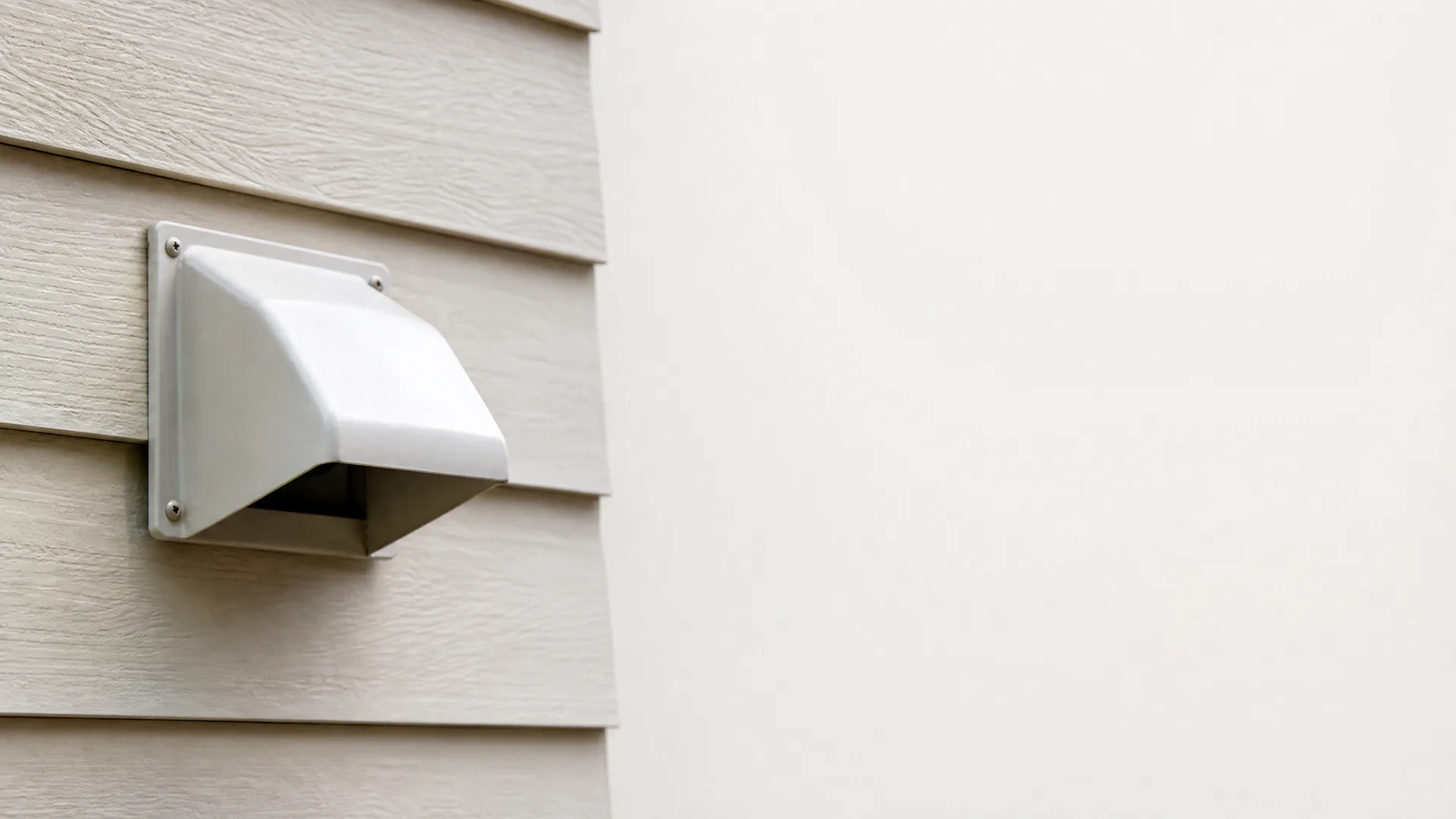
Run the dryer and check the outside hood. The flap should open and you should feel warm air pushing out hard. A load of towels should come out dry in one cycle, maybe two. If that's what happens at your place, the vent is doing its job and clearing the lint as it goes. Nothing in the run time or the air behind the hood says you have a problem right now.

The flap barely moves, or it doesn't open at all. You run the dryer twice for a load that used to take one cycle, and the top of the machine feels hot to the touch. That's hot air with nowhere to go, backing up into the vent and the dryer itself. The longer it sits like that, the more lint packs in behind it, and the risk climbs with every load you run.
You want to know the mechanics, not just the warning. If lint is the fuel, something has to light it, and you want to know what that is and how far things have to go before a vent actually catches.
A dryer's heating element doesn't shut off just because airflow is blocked. It keeps cycling on the same timer it always does, so the air inside the vent gets hotter than it's built to run. That heat has nowhere to go but back toward the lint packed in the duct. Lint is dry, loose, and sits right in the path of that heat, so it's the first thing to catch. Once it does, the fire has a straight path along the vent, and in Pierce County homes that path often runs through a wall cavity or up into an attic before it ever shows itself. The dryer itself can keep running the whole time this is building, because nothing in it is designed to sense a blocked vent.
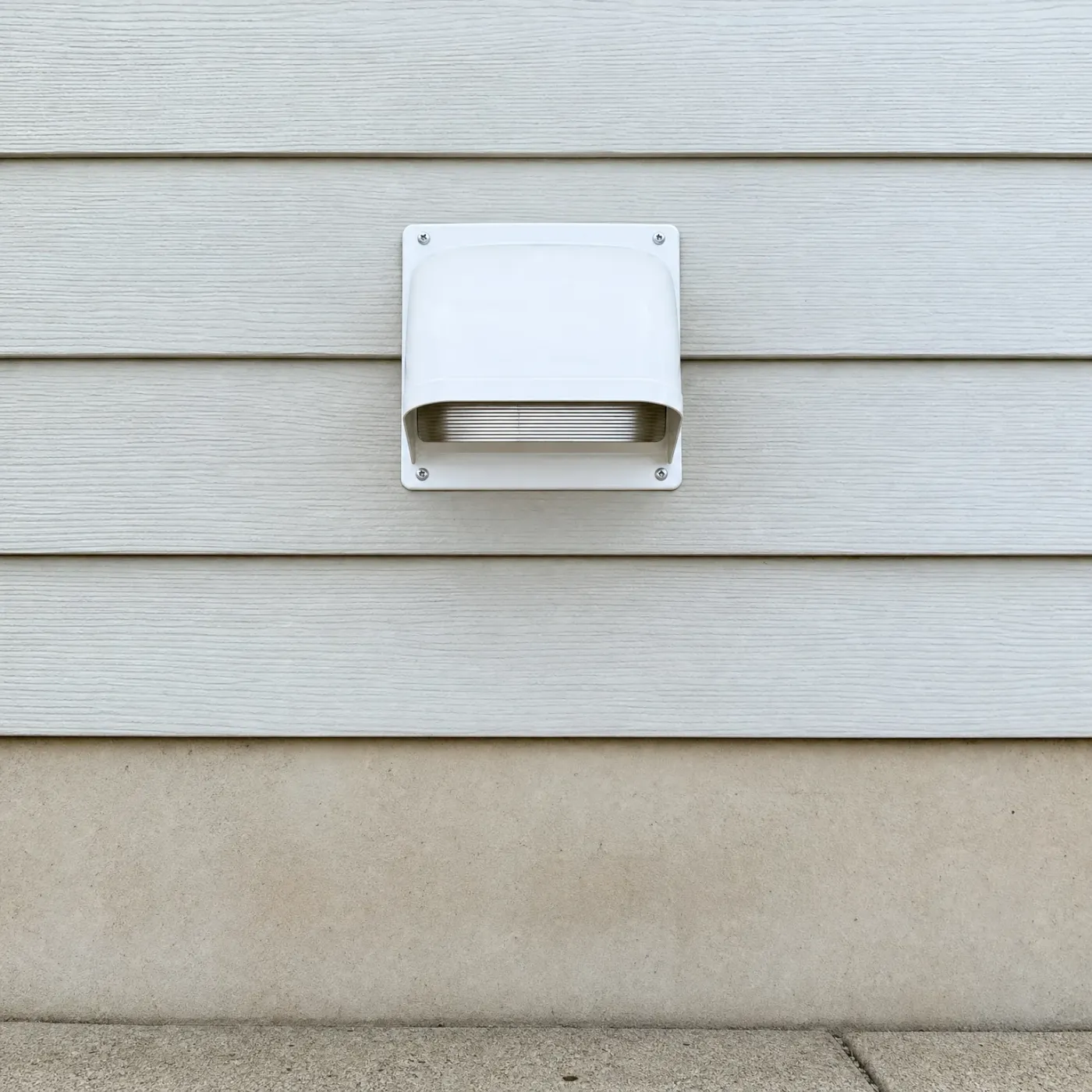
The hood sits flush against the siding and the louvers hang open or snap shut with the airflow. Run the dryer and you'll see them move. No lint around the opening, no buildup on the cap itself, just a clean path outside.
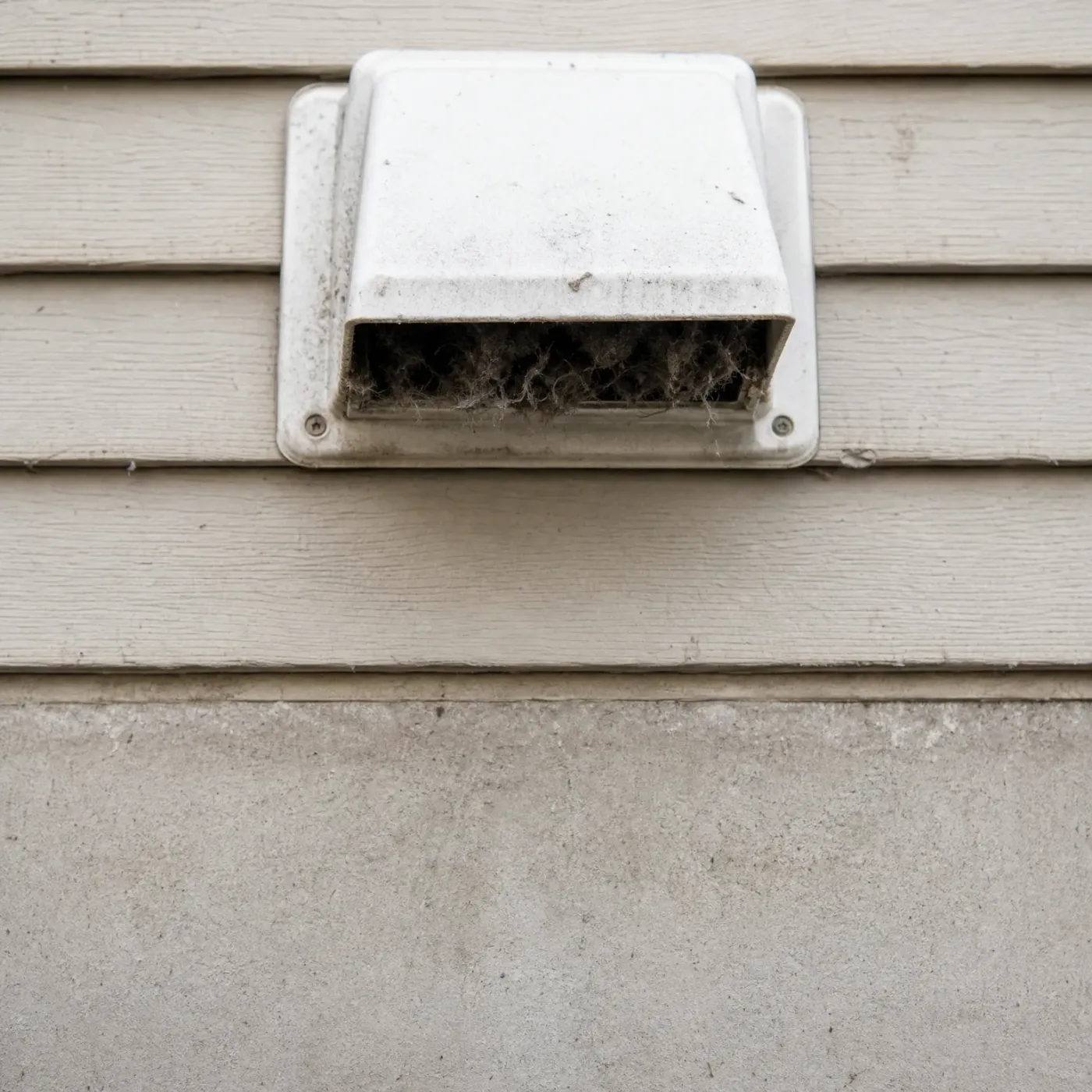
Gray lint packs the opening and coats the louvers so they can't swing shut. The dryer is still pushing air at this hood, it just can't get out. That's the blockage holding heat inside the duct instead of venting it.
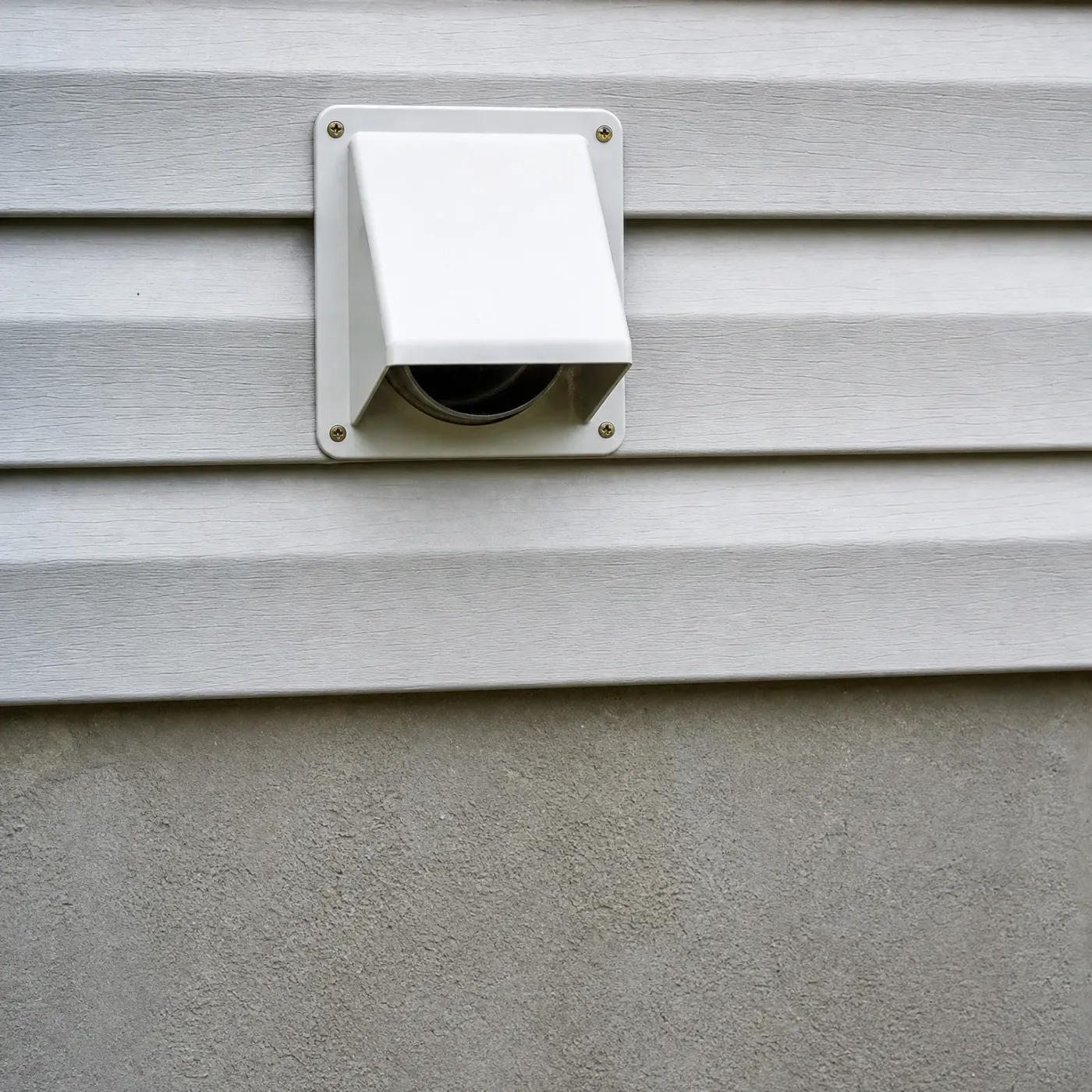
You already know the signs to check. Knowing them doesn't clean the vent, and most of that run is hidden behind the wall, further than a homeowner can reach with a vacuum hose. A contractor who does this work has the brushes and rod to clear the whole length, hood to duct, not just what's visible at either end. Finding one means searching, calling a few, explaining the same thing each time, then sitting with quotes to see who's worth it. Handing that off gets you to someone who covers Pierce County without the back and forth. Given what a blocked vent can do, that's worth clearing off your list now rather than after a load comes out hot and barely damp, or worse, after the hood outside hasn't moved air in a while and nobody noticed.
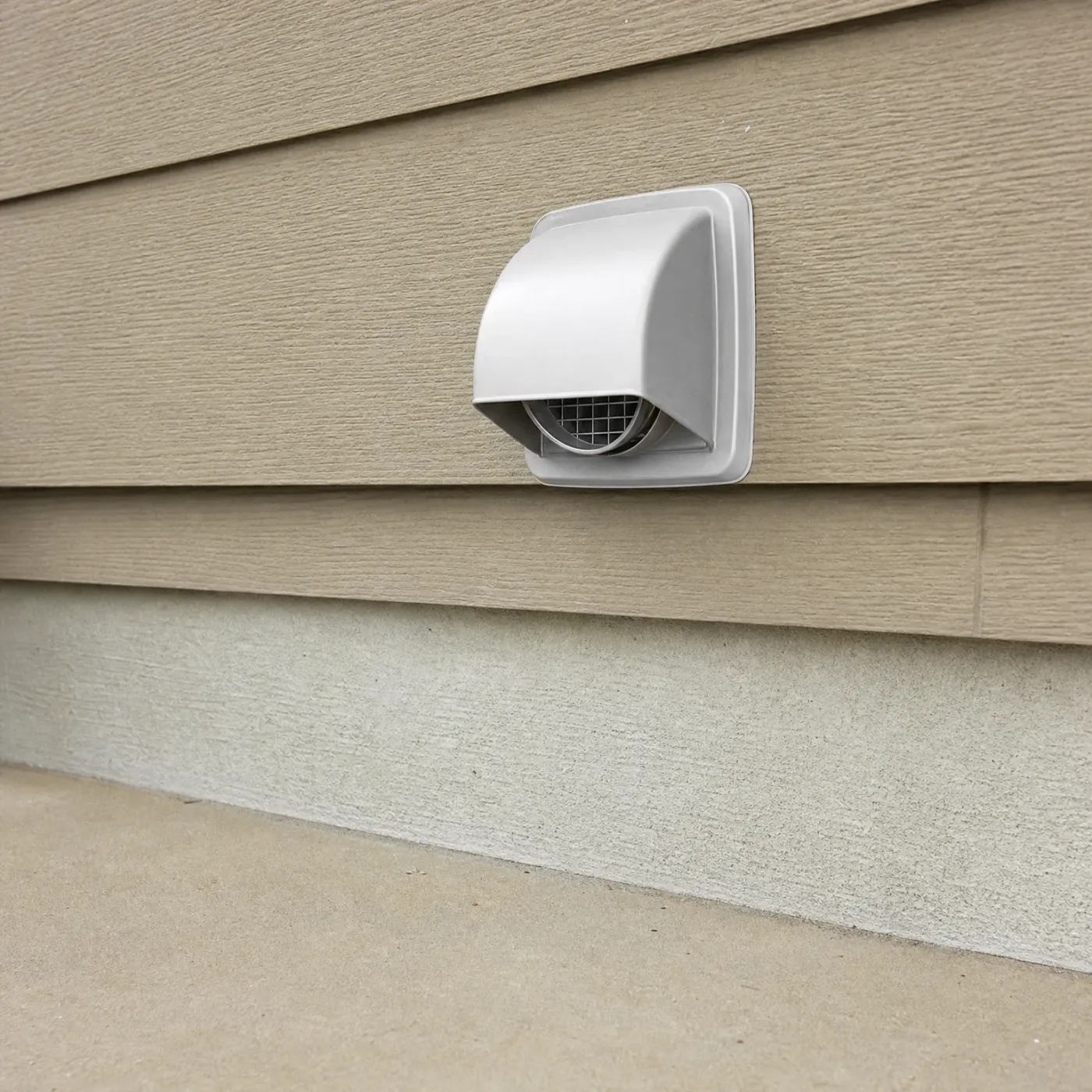
The hood sits open against the siding, the screen clean behind it. Air pushes the flap out hard when the dryer runs, and it swings shut on its own when the cycle ends. Nothing is holding heat back here, so it has somewhere to go.
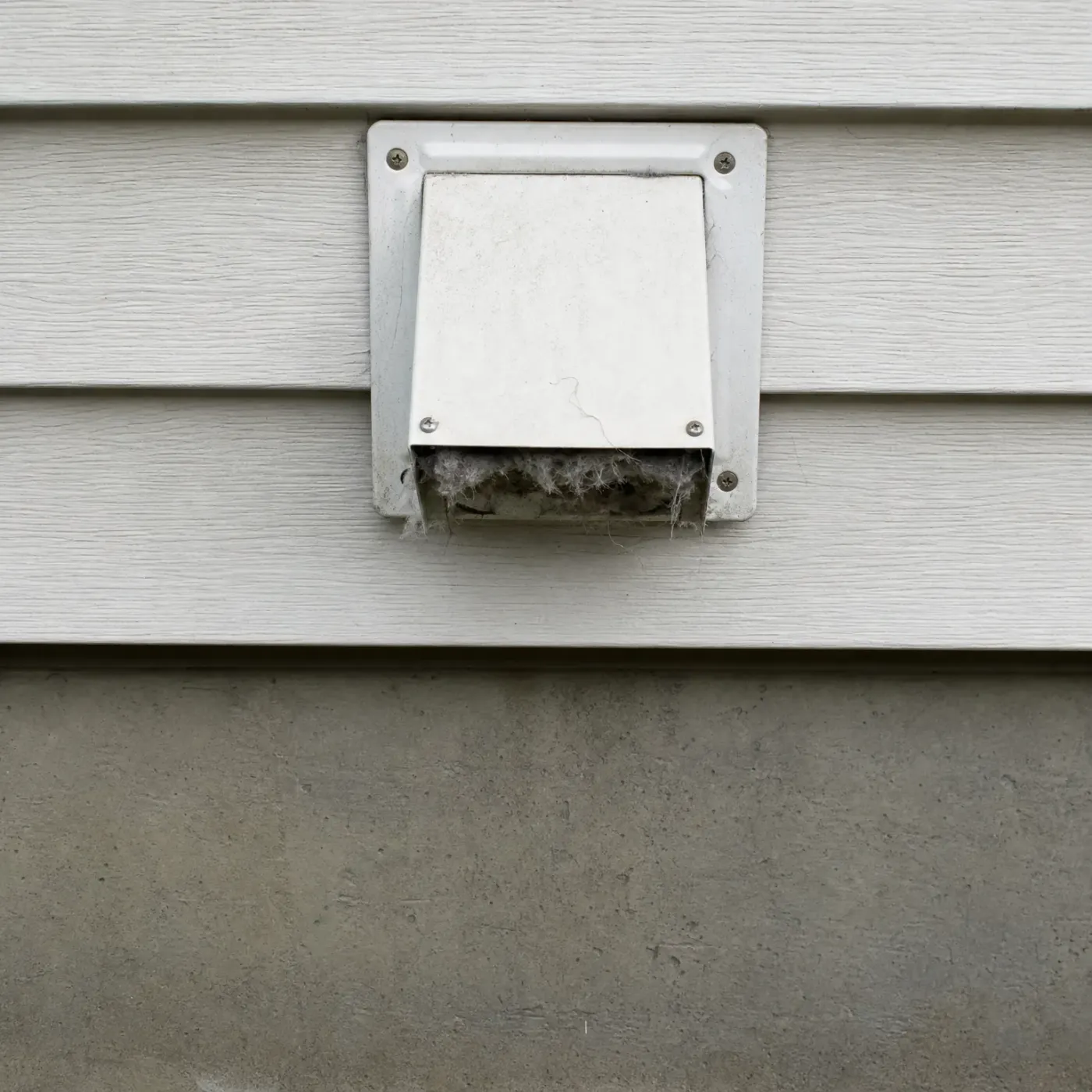
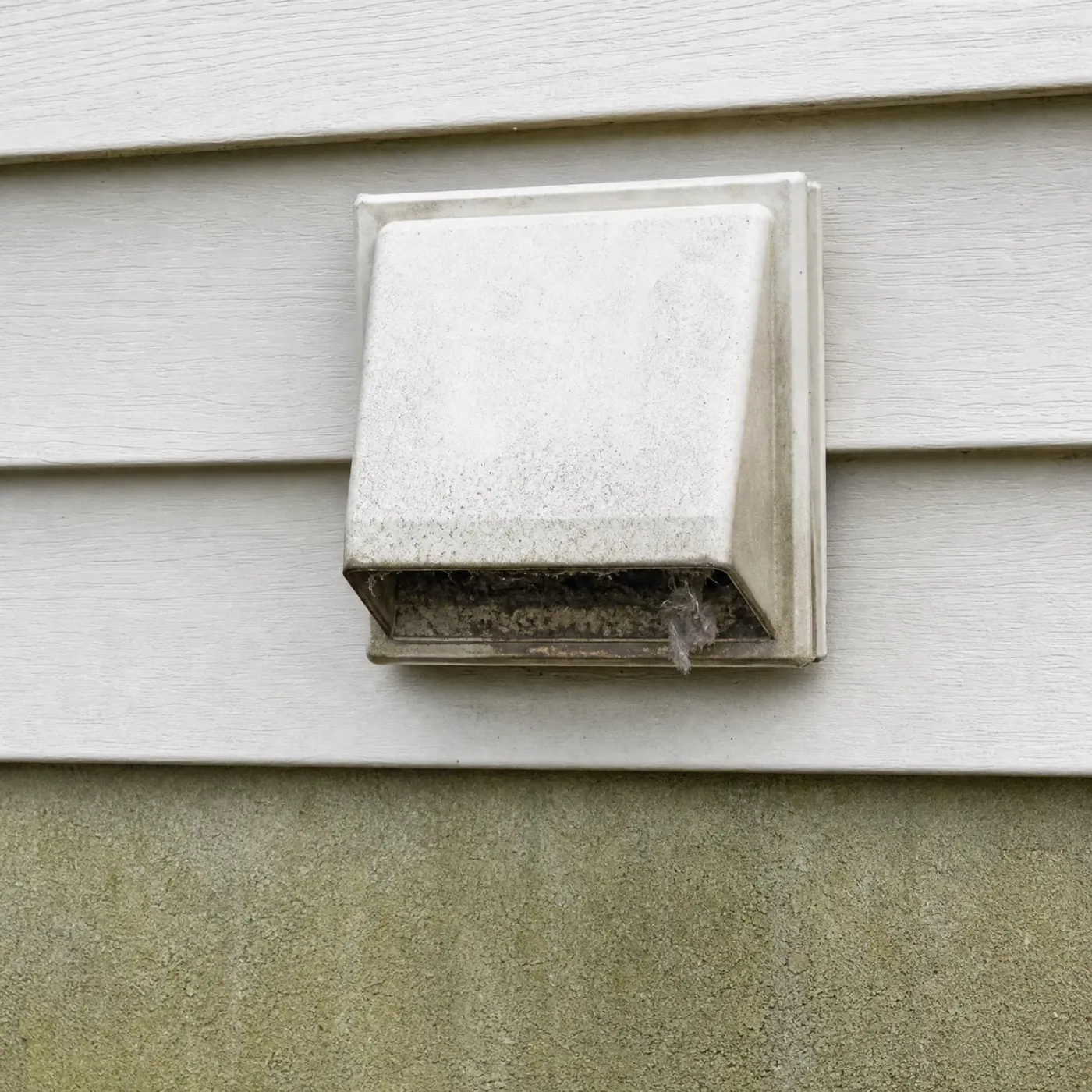
The flap can't close. Lint has built up enough behind it to prop it open, which means it's built up the same way further down the pipe, where you can't see it. That's less room for hot air to escape and more of it sitting against the buildup instead.
With 2.59 people in the average Pierce County household, that's laundry piling up most days of the week. Each load leaves lint behind, and a vent working that hard needs checking more than once a year to keep the path clear.
ACS 2020-2024

Picture the dryer going in the laundry room while the rest of the house is asleep or empty, which is exactly when most people run a last load. If the vent is packed with lint, the heat from that load has nowhere to go but back into the duct and the space around it. That's drywall, framing, maybe a shelf of detergent and towels stacked close by. None of that is built to sit next to trapped heat for an hour at a time, load after load, week after week.
There's a cost showing up before any of that, too. A dryer fighting a blocked vent runs longer to dry the same load, which means more electricity for every load you run, and Pierce County's rates don't change that math in your favor. If you'd rather not be the one tracking down who clears a vent like this and waiting on callbacks to get it scheduled, getting matched with a contractor who handles this work means that part is off your plate, and they'll reach out to you directly.

Lint collects along the vent run, load after load.
Hot air meets the blockage and can't push through to the hood.
Heat backs up inside the vent instead of venting outside.
Trapped heat climbs until it reaches the lint's ignition point.
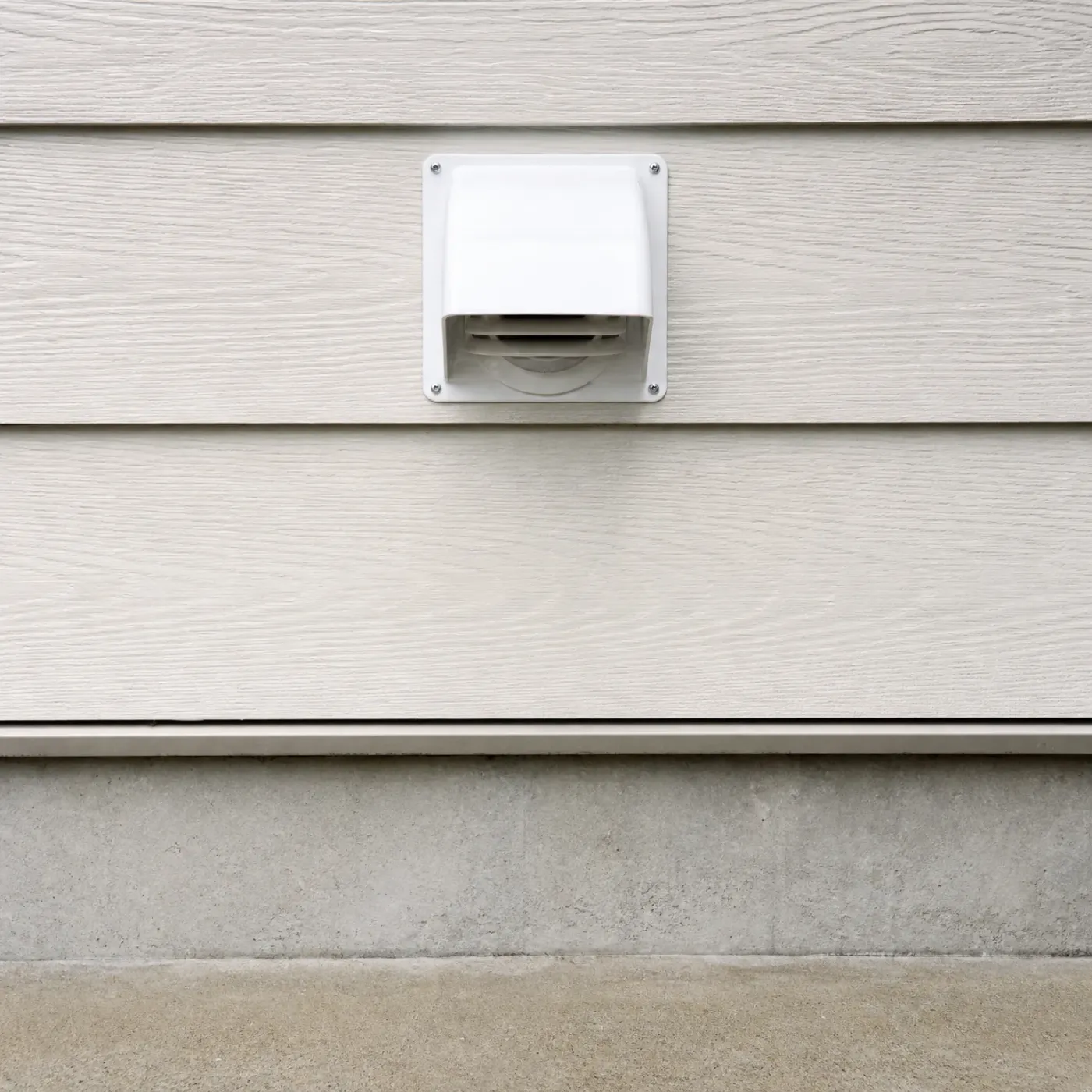
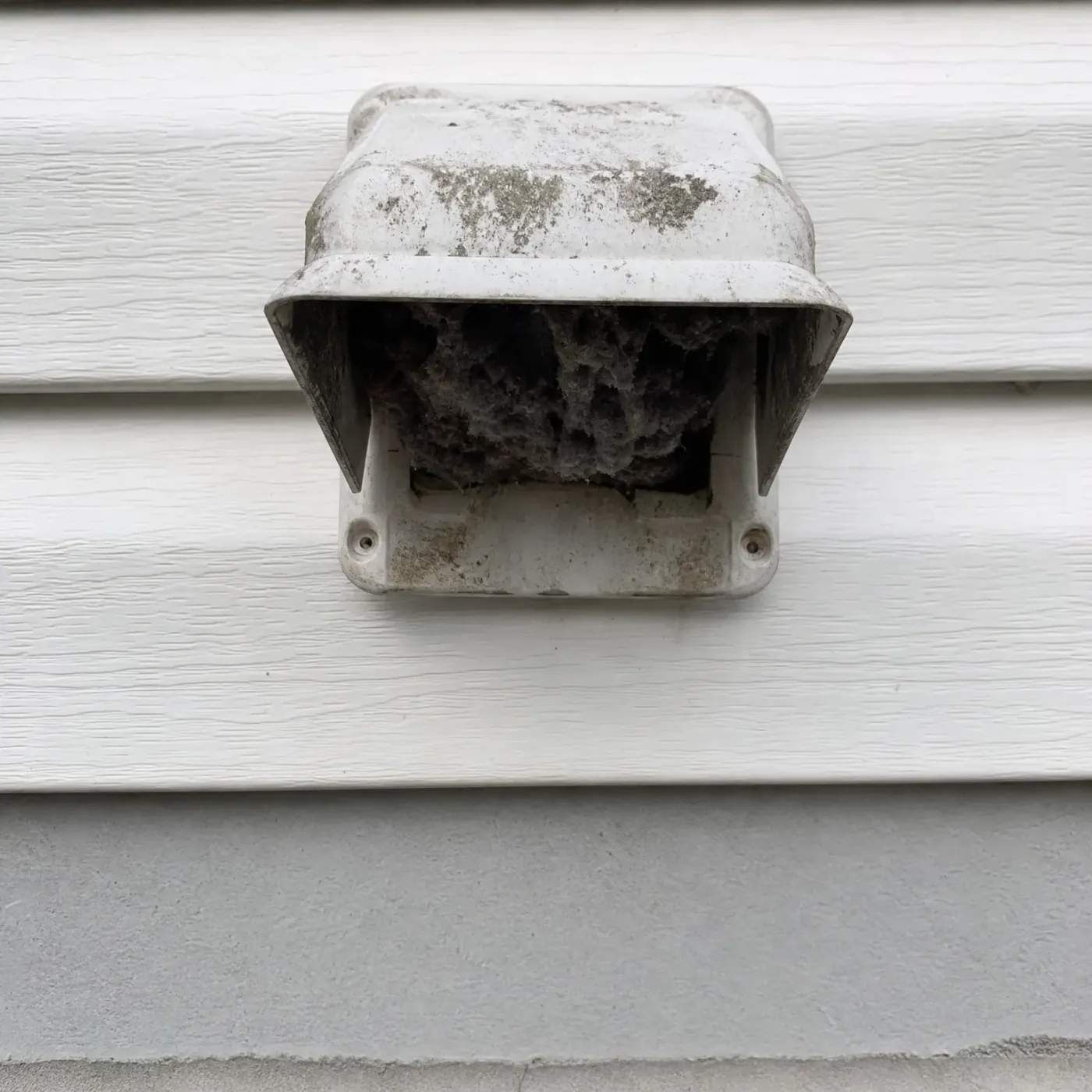
A clogged dryer vent in your Pierce County home is a fire risk because lint is fuel, and a blocked path out means the heat your dryer makes has nowhere to go but back into the vent itself. That is true whether your house was built last year or decades ago. The check is simple. Run a load, step outside, and look at the hood. Warm air pushing the flap open hard and towels coming out dry in a cycle or two tell you the run is clear from the drum to the outside wall. A flap that barely moves, a hood that stays shut, or a load that now takes two or three cycles when one used to do it tell you the opposite, and that's the point where waiting costs you more than a few minutes of checking. The hard part isn't knowing what to look for. It's reaching the part of the vent that runs behind the wall, where a vacuum hose and a flashlight don't help much. That length needs a brush and rod sized to the run, worked from both ends. You don't need to diagnose the rest of it yourself. You need to know what you found when you checked, and whether it matches a vent that's working or one that isn't. If it's the second, that's the point where it stops being something to watch and starts being something to get looked at.




Find a dryer vent cleaning pro in Pierce County
One form replaces the calls you'd make to find a dryer vent pro.