
Furnace Installation in Walla Walla, WA
A new furnace here will run from October through May every year. Tell us about the house, and a licensed contractor who covers Walla Walla County will get in touch.
Tell us about the job
It takes about a minute.
Eight months of heat, and winters that test the grid
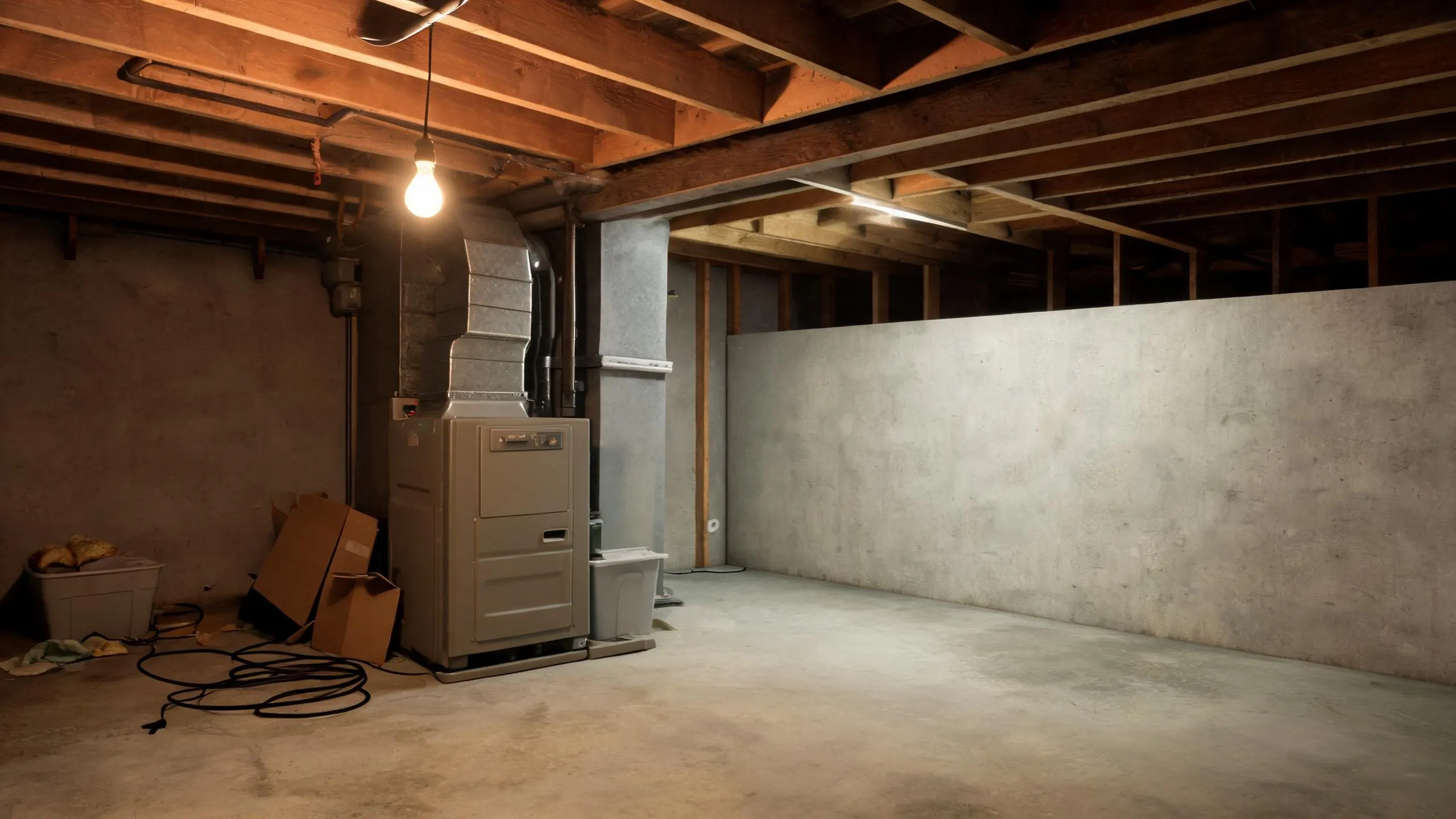
Your furnace has work to do in Walla Walla County. Homes here need heat from October through May, eight months of the year, and winter nights average 29°F. That is a long season for a furnace to run without trouble.
57.5 percent of homes here heat with electricity, and the power does not always stay on. Over the last ten years the county has seen 67 winter storms and 37 damaging wind events, and in 2024, 23 percent of Washington households lost power for at least a day. A new furnace should be matched to a home that may need heat with the lights out. Any new gas furnace installed today has to reach at least 80 percent AFUE, the federal minimum for non-weatherized models.
- 8 months
- October through May, your furnace is on duty
- 29°F
- the average winter night it heats against
- 80% AFUE
- the federal minimum any new unit must meet
NOAA nClimDiv, 1991–2020 normals
Washington requires contractors to register with the state.
Washington's registration is a business record. The state files the contractor, checks for bond and insurance, and keeps that on record with the Department of Labor and Industries. There is no trade exam behind it, so registration is not a test of whether the contractor knows how to install a furnace correctly.
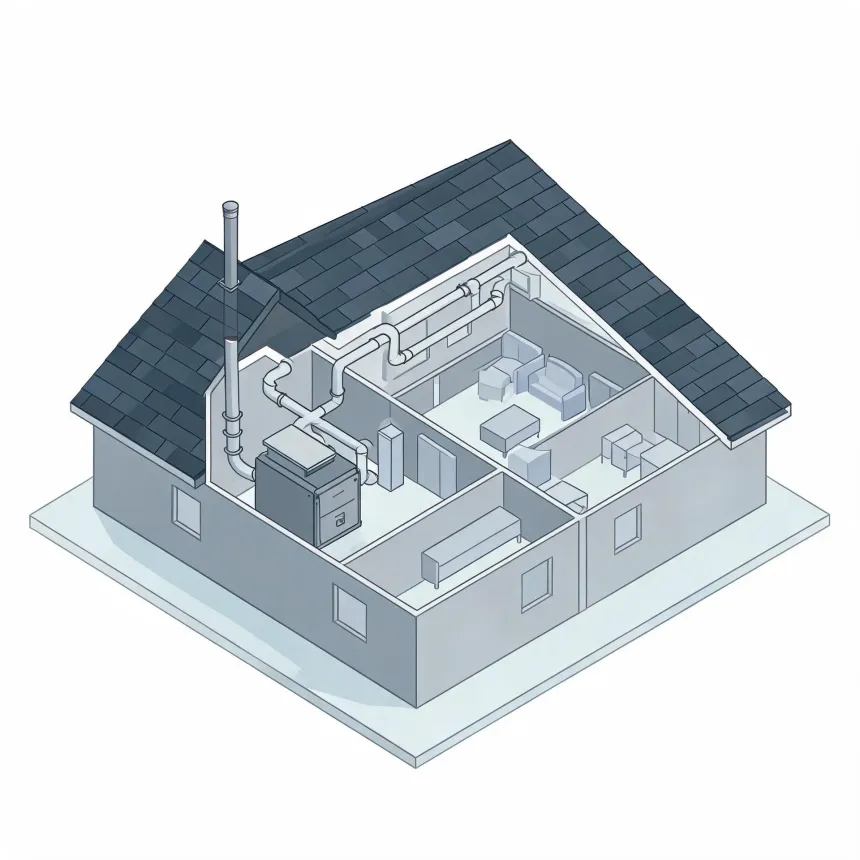
For this job, the protection comes from the local building office instead. A furnace replacement needs a permit in most cities and counties, and an inspector checks the completed work, including the gas connection, which is the part of the job where a mistake is dangerous. That permit and inspection are the record that the installation was done right.
Source: Washington State Legislature
- What size furnace does my house need?
- The right size comes from a load calculation, not a rule of thumb based on square footage. A contractor works out how fast your house loses heat by looking at your insulation, your windows, your ceiling height, and how the place is oriented, then sizes the furnace to match. Too big and it short-cycles, heating the house in bursts and wearing out faster. Too small and it runs constantly through a Walla Walla winter and still can't keep up on the coldest nights. Ask whichever contractor quotes the job to walk you through the calculation, not just hand you a number.
- How do I know it's time to replace my furnace?
- Age matters, but how the furnace is running matters more. Watch for rooms that won't heat evenly, a furnace that cycles on and off more than it used to, or a jump in your gas or electric bill with no other explanation. Homes here need heat from October through May, so a furnace that's struggling has eight months a year to prove it. If a technician tells you the heat exchanger is cracked, that's not a repair. That part is what keeps combustion gases out of your air, and it means the furnace needs to go.
- Is a high-efficiency furnace worth it?
- It depends on how long you plan to stay in the house and how much you're paying for fuel right now. Every gas furnace made since November 2015 has to hit at least 80 percent AFUE, so even a standard-efficiency furnace today wastes less fuel than an older one. High-efficiency models push past that baseline, which matters more the longer your heating season runs. With eight months of heat needed here, from October through May, those extra points of efficiency get used a lot more than they would somewhere milder. A contractor can walk you through what a higher-efficiency model would mean for your specific house.