Heat Pump Repair in Seattle, WA
If your system quits, tell us what it's doing and a licensed contractor who covers King County will get in touch.
Tell us about the job
It takes about a minute.
Your heat pump runs most of the year here
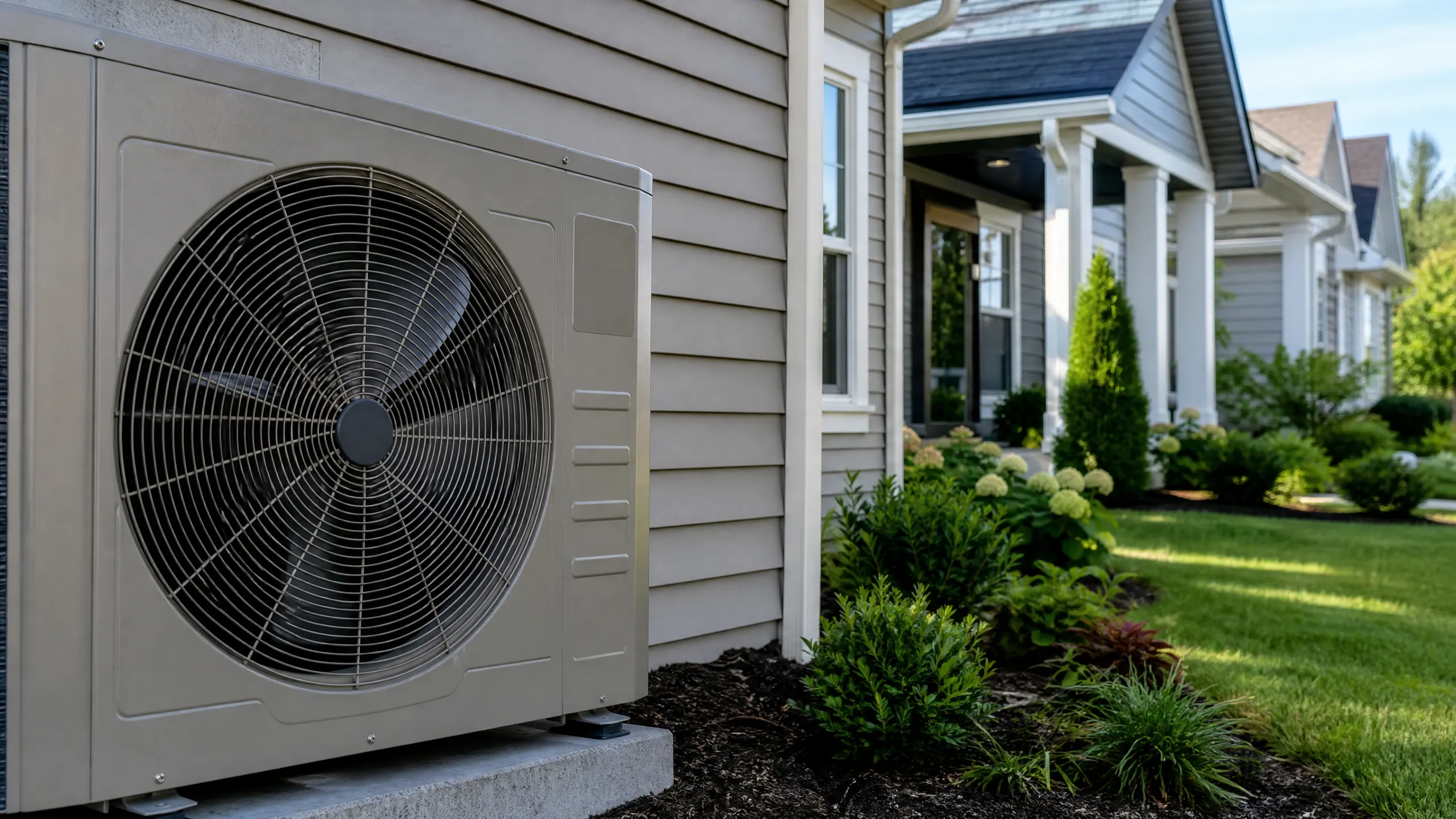
Seattle needs heat from September through June, ten months of the year, and winter nights average 32°F. That means your heat pump is cycling on and off for months without much of a break. The reversing valve and the defrost controls take that wear, since they're the parts switching the system back and forth as frost builds up on the outdoor coil and clears again.
More than half the homes here heat with electricity, so when the heat pump falters, there's often nothing else to fall back on. Most heat pumps come back on by themselves once power is restored after an outage. But if a part inside has already worn out, the house just stays cold and you're waiting on a repair, not a reset.
- 10 months
- September through June, your system heats
- 32°F
- the average winter night it heats against
- 70°F
- the average summer afternoon it cools against
Washington requires contractors to register with the state.
That registration puts the business on file with the state and requires them to carry a bond and insurance, but nobody tests their heat pump knowledge to get it. It is a record that they exist and are accountable to L&I, not a check on whether they know refrigerant lines or a compressor.
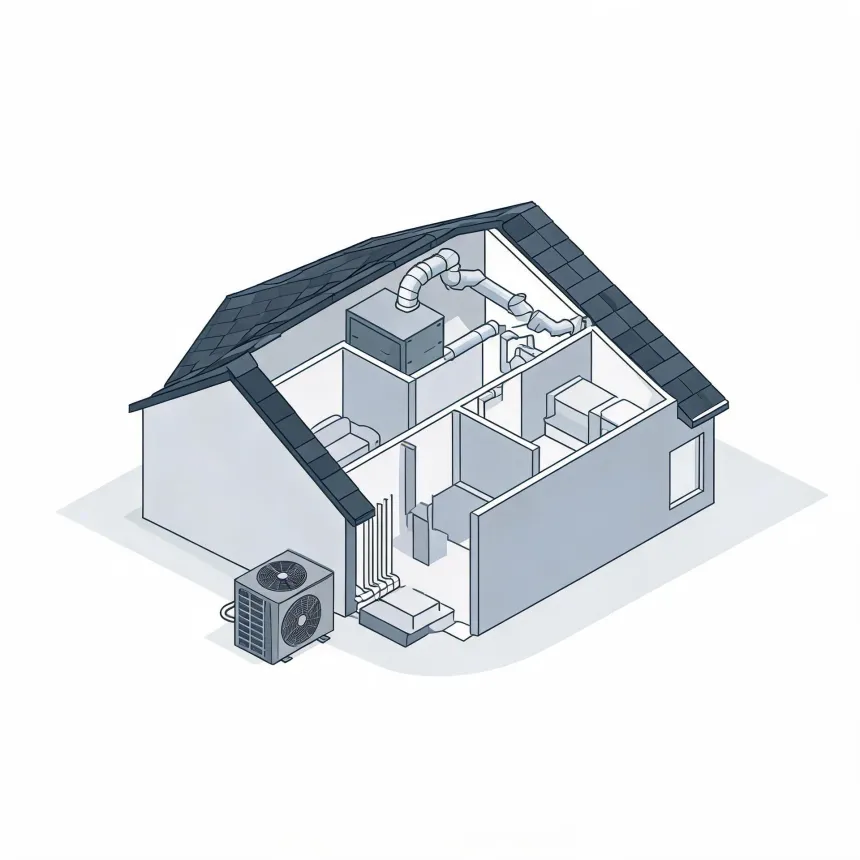
What actually covers the technical part of this job is federal. A heat pump repair almost always means opening the refrigerant side of the system, and anyone who does that anywhere in the country has to hold EPA Section 608 certification. That is the credential that says a person was tested on handling refrigerant safely, and it applies in Washington the same as it does everywhere else.
Source: Washington State Legislature
- Why is my heat pump blowing cold air?
- In heating mode, a heat pump puts out air that feels cool next to your skin even when it is working right, because the air leaving the vents is warmer than the room but still well below body temperature. If the air is actually cold, not just cool, check that the outdoor unit is running and not caked in ice or blocked by snow or debris. A thermostat set to fan-only will also push unheated air, so check that it is set to heat. If the outdoor unit is off, frozen over, or running constantly without warming the house, a contractor needs to look at it.
- Why is there ice on my heat pump?
- Some frost on the outdoor coil during a winter heating cycle is normal, and the unit should melt it off on its own a few times a day. Thick ice that does not go away means something is wrong. Low refrigerant, a failed defrost control, or an outdoor fan that has stopped turning are the usual causes, and none of them clear up by themselves. With winter lows here averaging around 32°F, the coil runs cold enough that a struggling defrost cycle shows up fast as heavy ice. Keep the area around the outdoor unit clear of snow and leaves, and have a contractor check it if the ice builds up instead of melting off.
- Why is my heat pump running but not cooling?
- If the outdoor unit is running but the air inside is not cooling, the system is losing refrigerant, the outdoor coil is dirty or blocked, or the compressor is failing to do its job even though it turns on. A dirty air filter can also choke off airflow enough that the house never feels the effect even though cold air is being made. Low refrigerant is not something that gets refilled like a fluid top off, since a system only loses refrigerant through a leak, so that needs a contractor to find and fix. Anyone opening the refrigerant lines to check or repair this has to hold EPA Section 608 certification, which is a federal requirement everywhere.