
HVAC Repair in Moses Lake, WA
Homes here need heat from October through May and cooling from July through August. If your system quits, tell us what it's doing and a licensed contractor who covers Grant County will get in touch.
Tell us about the job
It takes about a minute.
Ten months of work a year on your system
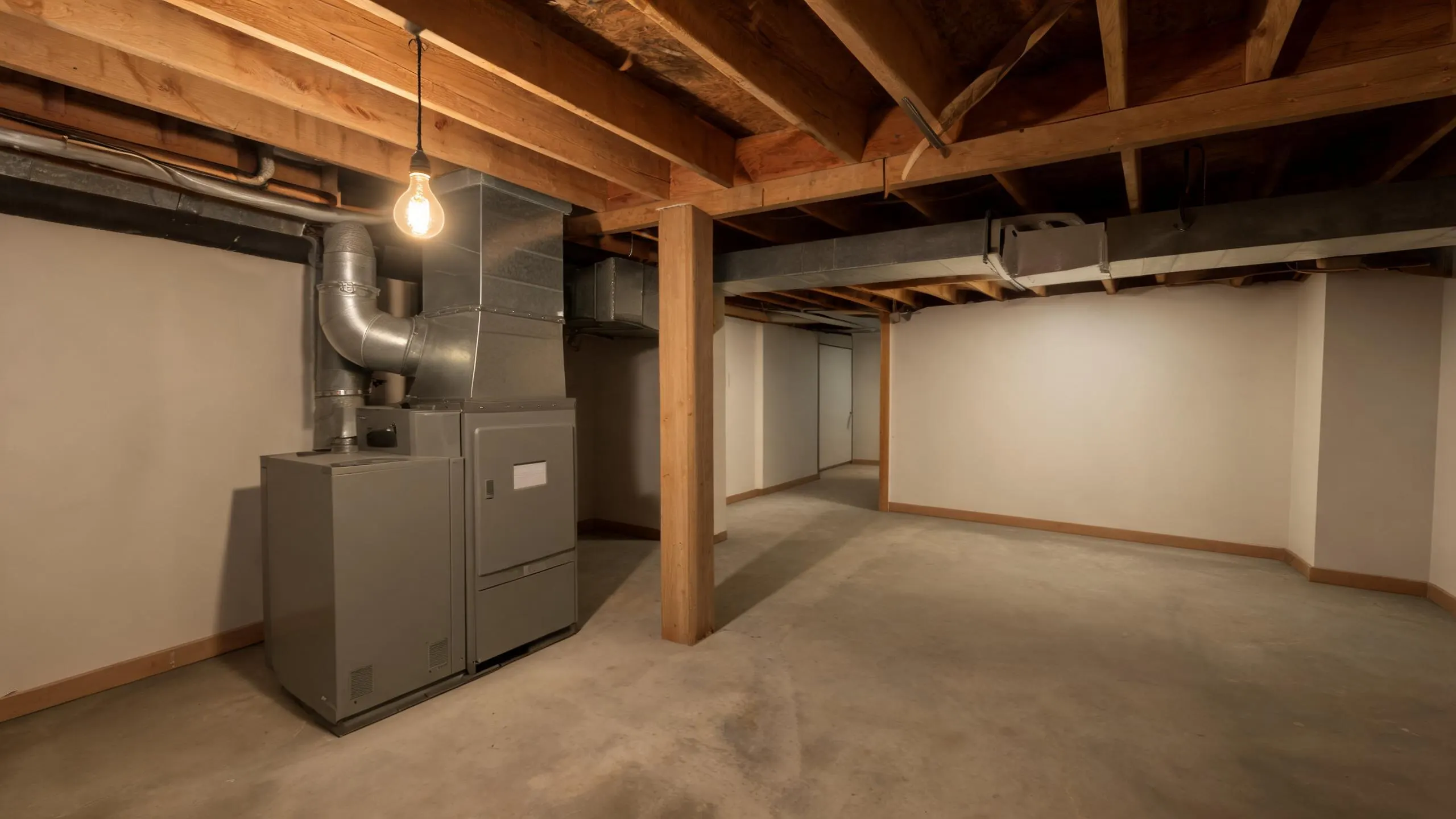
Your furnace runs from October through May here, and your air conditioner takes over in July and August. That is ten months where the system cannot sit idle. On winter nights that average 25°F, the burner is cycling on and off for hours to hold the house steady, and each start puts wear on the igniter and the ignition control board. In August, when afternoons average 85°F, the compressor is doing the opposite job just as often.
Most homes here heat with electricity, so a storm that knocks out power stops the furnace along with everything else. Grant County has logged 93 winter storms and 30 damaging wind events over the past ten years, and across Washington almost a quarter of households lost power for at least a day in 2024. When the power comes back, some systems do not start again on their own, and that is when a homeowner finds out whether the problem is the outage or something the outage exposed.
- 8 months
- October through May, your system heats
- 2 months
- July through August, it cools
- 25°F
- the average winter night it heats against
- 85°F
- the average summer afternoon it cools against
NOAA nClimDiv, 1991–2020 normals
Washington requires contractors to register with the state.
Registration puts the business on file with the Department of Labor and Industries. There is no trade exam behind it, so the state has not tested this contractor's knowledge of heating and cooling systems. The number tells you the business is on record, not that anyone checked its work.
For a repair like this, that record is what exists. Washington does not put a license or a tested credential behind the person doing the work, so nothing here stands in for that.
Source: Washington State Legislature
- Why is my heat not working?
- The most common causes are a dead thermostat battery, a tripped breaker, or the furnace filter clogged enough to shut the system down. Check the thermostat is set to heat and the display is lit. Then check your breaker panel, since a tripped breaker to the furnace or air handler will stop it cold. If the furnace runs but the air is not warm, a dirty filter restricting airflow is a frequent cause, and with 94.4% of homes here heating with electricity, a lost heat strip or a problem with the heat pump can leave you with air moving but no warmth behind it. With winter nights averaging 25°F, this is not something to leave for later.
- Why is my system running but not cooling the house?
- If the system runs but the air is not cold, the most common causes are a dirty filter, a frozen coil, or the outdoor unit not running. Check the filter first, since restricted airflow across the coil is a frequent cause of weak cooling. Look at the outdoor condenser and make sure the fan is spinning and nothing is blocking it. If the indoor coil has iced over, turn the system to fan only and let it thaw before running it again. Summer afternoons here average 85°F, so a system that is only moving warm air is not doing its job.
- What can I check before calling for HVAC repair?
- Start with the thermostat. Confirm it is set to the mode you want, the batteries are good, and the temperature setting is actually calling for heat or cooling. Check the breaker panel for anything tripped, and check the filter, since a clogged filter causes both weak heating and weak cooling. For the outdoor unit, clear away any leaves, snow, or debris around it. If the system still is not working after that, a licensed contractor can diagnose what is behind it and price the repair for your home.