
HVAC Repair in Kennewick, WA
Homes here need heat from October through May and cooling from June through August. If your system quits, tell us what it's doing and a licensed contractor who covers Benton County will get in touch.
Tell us about the job
It takes about a minute.
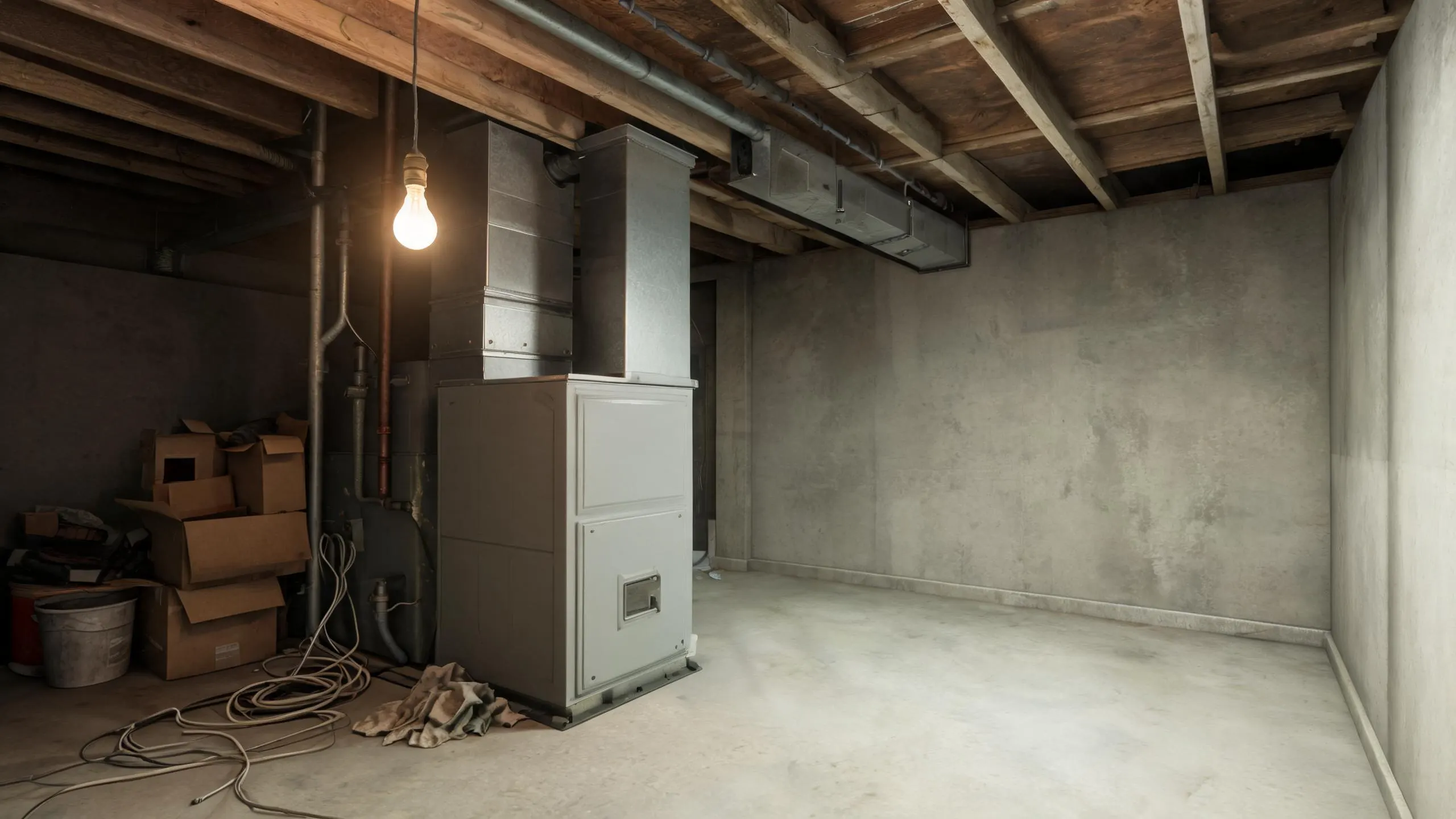
Eleven months of work a year, on a system that also has to survive the power going out
Kennewick asks for heat from October through May and cooling from June through August. That is eleven months where the system is not resting. Winter nights averaging 28°F mean the furnace cycles on and off for hours at a stretch, and each cycle puts wear on the igniter and the heat exchanger. Summer afternoons near 86°F push the air conditioner's compressor hard for months, not weeks.
Most homes here heat with electricity, so when the power goes, so does the heat. Benton County has seen 14 winter storms and 25 damaging wind events over the last ten years, and statewide, close to a quarter of households lost power for a full day or more in 2024. A furnace or heat pump that depends on electricity to run at all is only as reliable as the lines feeding it.
- 8 months
- October through May, your system heats
- 3 months
- June through August, it cools
- 28°F
- the average winter night it heats against
- 86°F
- the average summer afternoon it cools against
NOAA nClimDiv, 1991–2020 normals
Washington requires contractors to register with the state.
Registration puts the business on file with the Department of Labor and Industries, along with proof of a bond and insurance. Nobody tests the contractor's knowledge of furnaces or air conditioners to get that number. It is a record that the business exists, not a mark of what it knows.
On a heating and cooling repair, that record does not tell you whether the person doing the work understands your system. It tells you the business is on file with the state, bonded and insured, and nothing more.
Source: Washington State Legislature
- Why is my heat not working?
- Most of the time it comes down to power to the unit, a thermostat setting, or an igniter that failed. If your furnace runs on gas, check that the pilot light or igniter is actually lighting the burners, since a flame sensor that has gone bad will shut the system down after a few seconds. If your system heats with electricity, check the breaker first. With winter nights here averaging 28°F, a furnace that keeps failing isn't something to leave for later. A contractor can trace it to the actual part once they see it running.
- Why is my system running but not cooling the house?
- The fan is moving air, but something is stopping that air from getting cold. A dirty filter is the first thing to check, since a clogged one starves the coil of airflow and can freeze it. If the outdoor unit's coil or fins are covered in dirt or grass clippings, the system can't release the heat it pulls from your house, so check that too. Low refrigerant will also cause this, but that's not something you can see or fix yourself. If the filter and outdoor unit both look clear, a contractor will need to check the refrigerant charge.
- What can I check before calling for HVAC repair?
- Start with the filter. Pull it out and hold it up to a light. If you can't see light through it, that alone can cause weak airflow, a frozen coil, or a furnace that shuts itself off. Next check the thermostat, make sure it's set to heat or cool as needed and has power or fresh batteries. Then check the breaker box for a tripped breaker, and for gas furnaces, make sure the gas valve is open. If all of that checks out and the system still isn't working, the problem is inside the unit and a contractor will need to look at it.