
HVAC Repair in Pullman, WA
Homes here need heat from September through May and cooling from July through August. If your system quits, tell us what it's doing and a licensed contractor who covers Whitman County will get in touch.
Tell us about the job
It takes about a minute.
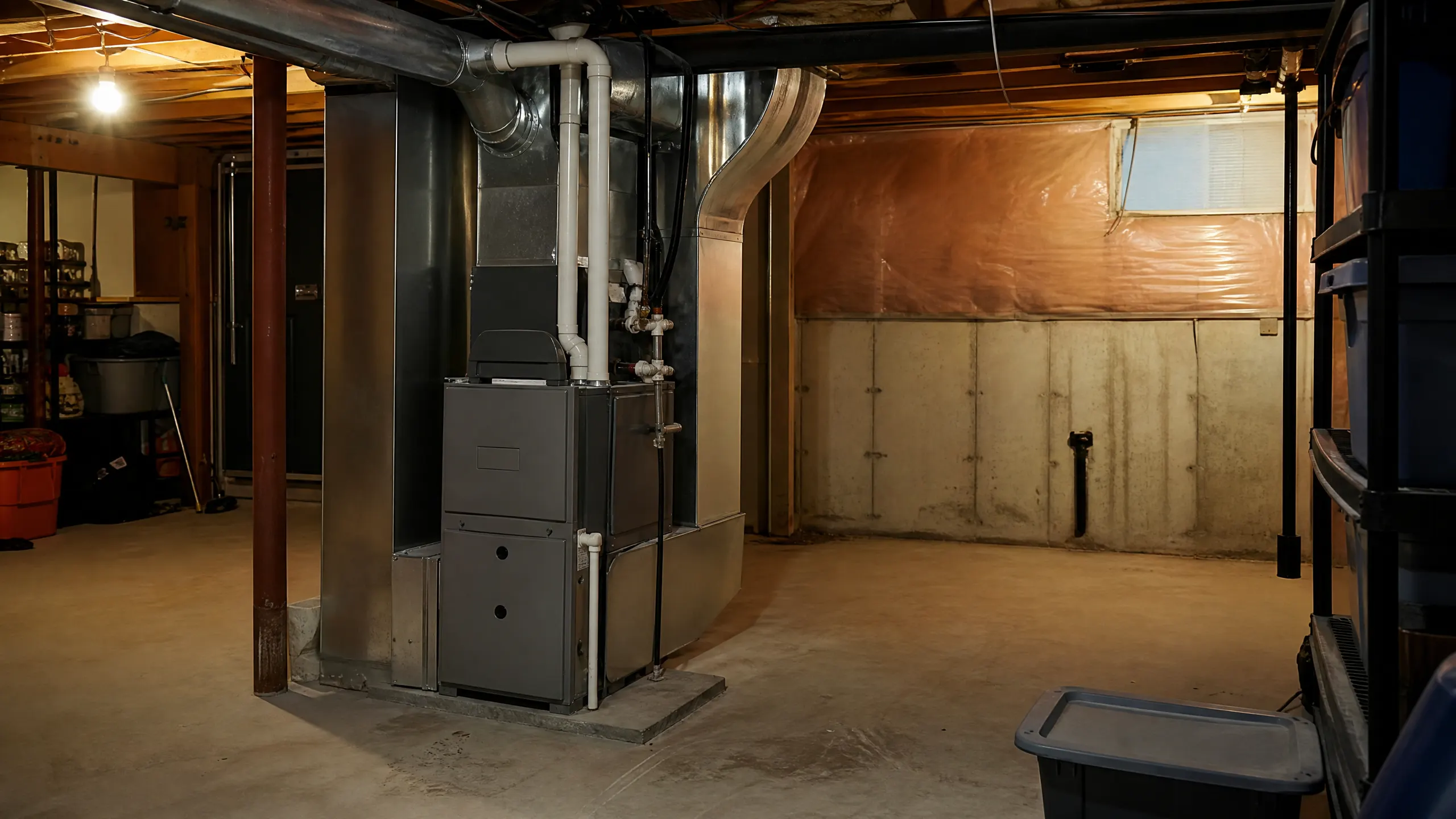
Nine months of heat, two months of cooling, and not much rest between
Pullman asks for heat from September through May. On winter nights averaging 27°F, the furnace cycles on and off for hours at a stretch, and every start puts wear on the igniter and the flame sensor. When one of those parts finally gives out, the house goes cold and stays that way until it is replaced.
Summer is short here, just July and August, with afternoons averaging 82°F. That is not long or hot enough to break down a healthy air conditioner, but a unit that already has a weak capacitor or a low refrigerant charge will show it fast once the heat comes. 56.9% of homes here heat with electricity, so a power outage means no heat too. Whitman County has seen 58 winter storms and 27 damaging wind events over the past ten years, and across Washington, 23% of households went at least 24 hours without power in 2024. Most furnaces and air conditioners restart on their own once the power is back. If yours does not, that is worth a call.
- 9 months
- September through May, your system heats
- 2 months
- July through August, it cools
- 27°F
- the average winter night it heats against
- 82°F
- the average summer afternoon it cools against
NOAA nClimDiv, 1991–2020 normals
Washington requires contractors to register with the state.
Registration means the business is on file with the Department of Labor and Industries. There is no trade exam behind that number, and the state keeps no record of who is actually good at heating and cooling work.
On a repair like this, the registration is not what stands between the reader and a bad job. It confirms the business exists and is on file with the state, nothing about how well the work gets done.
Source: Washington State Legislature
- Why is my heat not working?
- Most no heat calls come down to power, gas, or a safety switch that shut the system down. Check your thermostat has fresh batteries or is getting power, and check the breaker for the furnace hasn't tripped. If you smell gas, leave the house and call the gas company, not a repair line. With winter nights here averaging 27°F, a furnace that stays down for even a night is worth a same day call rather than waiting it out.
- Why is my system running but not cooling the house?
- If the blower is running but the air isn't cold, the problem is usually with the outdoor unit, the refrigerant charge, or airflow through the coil. A dirty filter can choke off airflow enough that the coil ices over, which stops it from cooling even though the fan keeps blowing. Check the filter first since that's the one thing worth trying before calling anyone. Anything past that, like a refrigerant leak or a failed compressor, needs a contractor to diagnose.
- What can I check before calling for HVAC repair?
- Check the thermostat is set to heat or cool as needed and has power. Check the breaker for the furnace or air conditioner hasn't tripped. Check the filter isn't clogged, since a blocked filter causes problems in both winter and summer. If it's the furnace, check that the switch on or near the unit, the one that looks like a light switch, hasn't been bumped off. If all of that checks out and the system still isn't working, a contractor will need to look at it directly.