
What to do when the heat goes out in Washington

Send the request today and stop worrying about who to call.

RepairFurnace or heatingWashington
Step 1 of 2

What ZIP code is the job in?

First, check the breaker, the thermostat batteries, and the filter. A tripped breaker or a dead thermostat is a common cause, and both are things you can rule out in a minute. If power is reaching the unit and it still won't fire, the problem is usually the igniter, a flame sensor that needs cleaning, or a blower motor that's failed. Most homes in Washington heat with electricity, so a furnace that won't run often means a safety switch has shut it down rather than a gas issue. Don't keep resetting it and trying again. Repeated short cycling can mean a part is close to failing for good, and running it that way can damage the system further. Once you know it isn't something simple on your end, the next step is getting a technician to look at the actual part that's failed.

A gray gas furnace stands on a concrete basement floor, connected to sheet-metal ductwork, white PVC vent pipes, and a yellow gas line, with plastic sheeting covering the walls.

Furnace running right

This is what a working furnace looks like: clean lines, a steady gas supply, no dust built up on the cabinet. It fires on the first call from the thermostat and keeps the house even. If yours still looks and sounds like this, the breaker or the batteries were probably the whole problem.


A metal furnace with louvered panels stands against a concrete basement wall, connected to sheet-metal ductwork and a round flue pipe, with wooden framing posts and a pipe nearby.

Furnace in trouble

An older furnace like this one, dusty and showing its age, is more likely to stall out when the weather turns on it. If the breaker and thermostat check out and it still won't light, something inside it has failed. That's a repair call, not a reset.

A smiling man in a navy long-sleeve shirt sits at a wooden table in a kitchen and dining area, with a ceramic mug, a potted plant, and a sliding glass door behind him.
A smiling bearded man in a green henley shirt stands at a kitchen island with a gray mug, looking off to the side, with a dining area and shelves blurred behind him.
A smiling bearded man in a navy sweater sits at a white kitchen island with a ceramic mug, with open shelves, potted plants and a range hood behind him.
A smiling man in a dark olive long-sleeve shirt sits in a kitchen beside a counter with a dark mug, with a dining table, sideboard and hallway visible in the blurred background.

Why most homes heat with electric

Most furnaces in Washington run on electricity, not gas. An electric furnace uses heating elements to warm the air, and those elements can fail one at a time. Sometimes a furnace will still blow air, just cold, because one element burned out while the blower kept running. A gas furnace that loses heat usually stops blowing air entirely once the igniter or gas valve fails. Knowing which type you have tells a contractor where to start looking before they even arrive, and it explains why two furnaces with the same symptom can have completely different problems underneath.

What cheap power means for repairs

Power is cheap here, which is part of why electric furnaces are so common in the first place. That also means the cost of running a furnace isn't usually what pushes someone to call for repair. It's the house getting cold. An electric furnace draws a lot of current through its elements and its blower motor, and a breaker that trips once can trip again if the real problem is a failing part, not a loose connection. Resetting it twice and having it hold doesn't mean the issue is solved. It means the short is intermittent, and it will come back.

An older metal furnace with PVC and metal pipes stands on a concrete basement floor beside galvanized ductwork, with wooden stairs and a water tank in the background.
Before you get your furnace repair
A gray high-efficiency furnace in a basement with sheet-metal ductwork, white PVC vent pipes, metal plumbing lines, a condensate pump on the floor, and a window showing green trees outside.
After you get your furnace repair
An unfinished basement with a concrete floor, pink insulation on one wall, exposed joists, galvanized sheet-metal ductwork, PVC vent pipes, and a tall gray furnace with attached gas and electrical lines.

It's off your list after this

One form replaces the calls you'd make to find a furnace pro.

Send the request and finding a pro stops being your problem.

Hand off the search

Sending the form costs nothing.

Why does my furnace keep tripping the breaker?

Breakers don't trip without a reason, and an electric furnace that keeps knocking yours out is telling you something specific. You want to know if this is a quick fix or something that's going to keep happening until a tech opens the cabinet.

A heating element or the blower motor is drawing too much current

An electric furnace trips a breaker when something inside is pulling more current than the circuit allows. The most common cause is a failing heating element, one that's shorting instead of just heating air. The blower motor can do the same thing if its bearings are going bad and it's working harder to spin. Either one draws extra amps, and the breaker does its job and cuts power before anything overheats further. Resetting it might hold for a while, but if the same element or motor trips it again, the part needs to come out. A breaker that trips once might be a fluke. One that trips every time you reset it is a part telling you it's done.

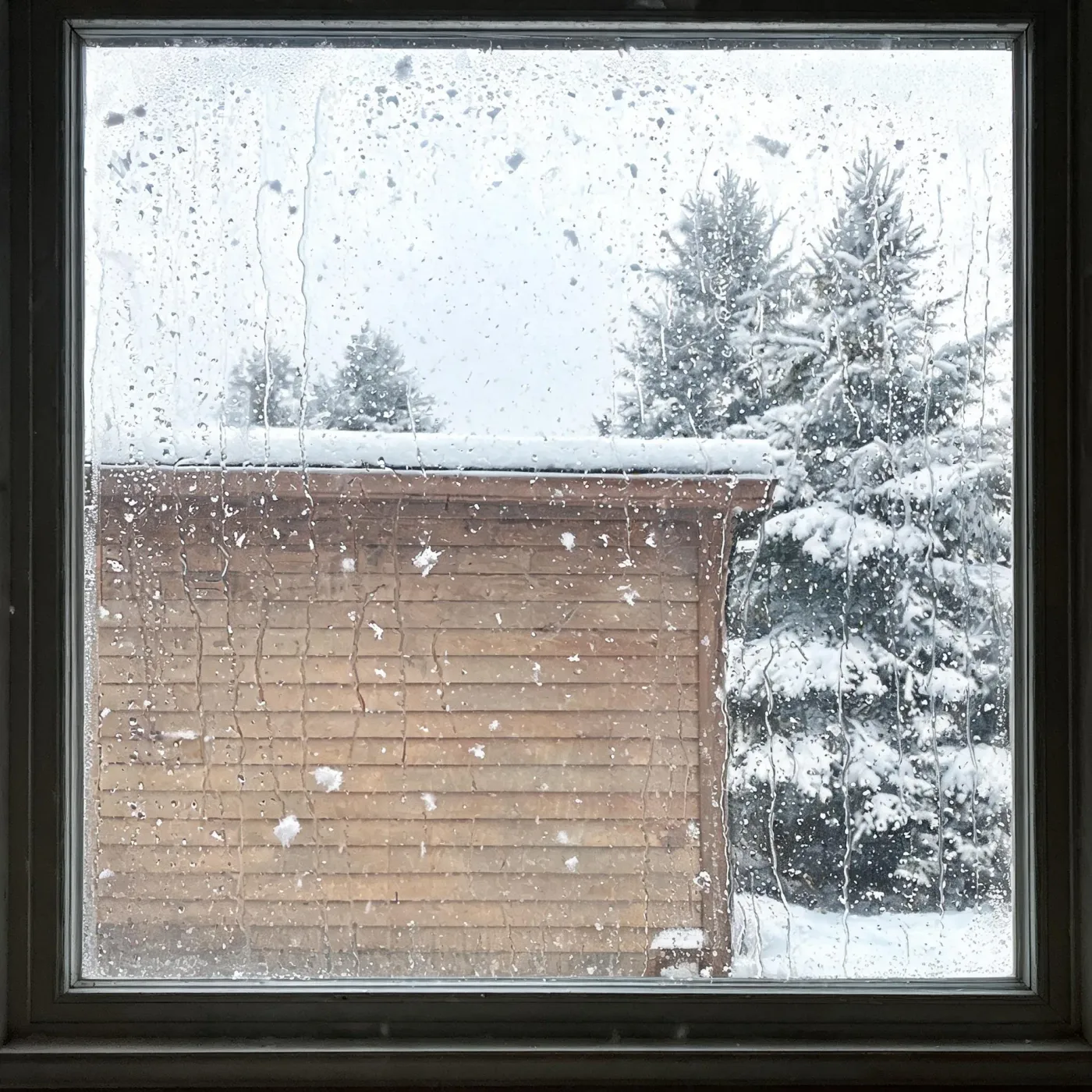
View through a condensation- and droplet-covered window pane of a snow-covered wood-sided building roof and snow-laden evergreen trees under an overcast sky.

Winter nights here average 30°F statewide, per NOAA. That's cold enough that an electric furnace runs long stretches to hold the house steady, cycling on and off through the night instead of sitting idle. When an element has already started to go, this is when it shows up: a room that won't come up to temperature, or air that's blowing but not warm. A furnace that's running fine on a 50-degree afternoon can still struggle once it has to work through a 30-degree night. If yours is coming up short, the cold is what's exposing it, not causing it.

NOAA nClimDiv 1991-2020 county normals weighted by homes

A basement utility area with a gray furnace, sheet-metal ductwork, pipes, plastic-covered walls, a concrete floor, and a black shelving unit holding storage bins.
A furnace like this calls for a repair, not a replacement, if you catch it before the elements go one by one.
A gray metal furnace with louvered vent panels stands on a concrete basement floor beside galvanized ductwork, gas and plastic pipes, and foil-faced insulation along the ceiling and wall.
Rust on the cabinet doesn't mean the furnace is done, but it's worth a look before another cold night goes by.
A smiling man in a dark blue T-shirt sits on a light gray sofa in a living room with a wooden shelf and window behind him, with a laptop edge visible in the foreground.
A bearded man in a plaid flannel shirt stands indoors looking out a frost-covered window, with a steaming dark blue mug on the wooden sill and snow-covered trees outside.

Where your furnace stands now

  • A breaker, a thermostat, or a filter rules itself out fast; a dead element usually doesn't.
  • An electric furnace that keeps tripping its breaker is pointing at a specific part, not random bad luck.
  • Rust on the cabinet is a sign to check soon, not proof the furnace is finished.
  • Catching a failing element before the others go keeps this a repair instead of a replacement.
  • Cold nights near 30°F push a weak furnace to show its problem sooner rather than later.
  • Once you know what's wrong, the only task left is finding someone licensed to fix it.

You checked the breaker, the thermostat, the filter. None of that explained it, which means something inside the furnace itself needs attention. That's not bad news. An electric furnace that trips its breaker or fails one element at a time is usually telling you where to look, and catching it now is what keeps this a repair instead of a bigger job later. Rust on the cabinet works the same way. It's a reason to get it looked at soon, not a sign the furnace is already done. Cold nights here average 30°F, and that kind of steady cold is exactly what pushes a weak element to fail outright instead of limping along. None of this is something to diagnose yourself past the basics you already ruled out. What's left is matching the problem to someone who can actually open the unit up and fix it, and that's the part that normally eats your evening: searching for a contractor, calling a few, explaining the same symptoms each time, waiting on callbacks, sorting through quotes that don't match. Send the form once and that whole search is off your plate. You already know what's wrong or close to it. The rest is just getting the right person out to deal with it.

A dark wood cabinet with a drawer and black knob holds a ceramic vase of green leafy branches and a wooden bowl, beside a window with a woven basket of knit blankets.
Sunlit interior corner with white baseboard molding, cream walls, a wood floor, a woven jute rug, and a potted green plant on a window sill with trees visible outside.
Sunlight falls across a marble countertop by a window, where a small stone bowl with pebbles sits beside a potted pothos plant in a ceramic planter and a folded beige towel.
Exterior corner of a house with lap and shingle-style siding, a white gutter and downspout with offset elbows, a stone veneer base, a window at right, and flowering hydrangea shrubs at lower left in warm low-angle light.
A wooden console cabinet with a caned front holds a ceramic vase of green leafy branches and a shallow wooden bowl, below a framed landscape print on a beige wall beside a curtained window.

Hand off the search today

Describe what your furnace is doing once, in one form.

Send my request

You're not committing to anything by asking.