Profile view of a bearded man wearing a dark green baseball cap and a dark gray T-shirt against a plain light background.

Why your furnace rattles in Washington

RepairFurnace or heatingWashington
Step 1 of 2

What ZIP code is the job in?

Why does my furnace rattle?

A rattle usually shows up once the furnace has been running a while, and it's easy to wonder if it's something minor or the start of a bigger repair. Since most homes here heat with electricity, that rattle is coming from an electric furnace, and the parts that work loose over time aren't the same ones a gas furnace would have.

A loose panel or a worn blower wheel is the usual cause

Most electric furnaces rattle for one of two reasons. The access panel or a duct connection has worked loose from the vibration of the blower running, and the metal is buzzing against itself. Or the blower wheel itself is worn, cracked, or has picked up enough dirt to throw it off balance as it spins. A loose panel is a quick fix once it's found. A failing blower wheel is not something to leave running, since it can wear down the motor bearings it's attached to. With power cheap here, most homes lean on their furnace through the winter, so catching a rattle early keeps a small fix from turning into a motor replacement.

A beige high-efficiency furnace in an unfinished basement, with white PVC vent pipes, a yellow gas line, metal ductwork, and exposed wood framing on a concrete floor.

Running quiet

A furnace that's been installed and sealed up right sits still when it fires. The ductwork holds steady, the panels stay snug against the frame, and the blower spins without ticking against anything loose. Nothing here should be moving except the air.

An older beige furnace with two louvered vent panels stands on a concrete basement floor, connected to galvanized ductwork and a metal flue pipe, with gas piping and flexible conduit on the wall behind.

Rattling under strain

An older unit on a concrete floor will loosen over time. Panels work free from their screws, the flue pipe shifts where it meets the duct above, and the blower wheel wobbles if a bearing's worn. Any of these will rattle long before the furnace quits.

Fix the Rattle Now or Risk It Later

Fix it now

  • A rattle from a loose panel or a screw backed out of the blower housing is usually a short visit, since the part causing it is easy to reach.
  • Catching it early means a contractor can tighten what's loose before the vibration works on the solder joints or wiring nearby.
  • Electric furnaces push air with a blower wheel, and a wheel that's started to wobble gets worse the longer it spins out of balance.
  • If the rattle is new and only shows up at startup or shutoff, it's often just a panel that needs a screw, not a motor problem.
  • A local contractor who services electric furnaces regularly can usually tell from the sound alone whether it's sheet metal or something turning.

Wait it out

  • A rattling blower wheel can shift further out of balance each time it runs, which puts more strain on the motor bearing holding it.
  • Loose ductwork connections tend to work looser, not tighter, so a rattle that's tolerable now can turn into a bang later.
  • Ignoring a new noise means losing the chance to catch it while the fix is still a tightened panel instead of a replaced part.
  • A furnace that keeps running with something loose inside it is also running with something wearing against metal it shouldn't touch.
  • Since power is cheap here, people sometimes let a small furnace noise go longer than they would with other repairs, but the part underneath it doesn't wait.
A dark interior hallway with a dim window at the end, a wooden floor, a stair railing on the right, and a bench or rug in the foreground.

You're awake before the house is. 2 a.m., and the hallway floor is cold under your feet in a way it wasn't an hour ago. The vents aren't pushing anything. No hum from downstairs, no warm air at the register, just the window at the end of the hall going gray with frost at the edges and that thin blue light coming off the streetlamp outside. You stand there a second, listening for the furnace to kick back on. It doesn't. Outside, the cold is doing what a January night in Washington does, working its way into the corners of the house, and upstairs, where it always gets coldest first, you're the one who noticed before anyone else did.


A gray high-efficiency furnace in a basement, connected to sheet-metal ductwork on the left and white PVC vent pipes above, with black gas and drain piping and an exposed wood-stud wall with OSB sheathing on the right.
The panels sit flush against the frame and the pipes run straight out the top, nothing loose for the furnace to shake against.
An older gas furnace with two louvered front panels stands on a concrete basement floor beside galvanized sheet-metal ductwork, pipes, and a weathered concrete wall.
Concrete walls stained from years of moisture, panels that have warped a little, and screws that have had time to work themselves loose.

An electric furnace builds heat with a set of resistance coils, usually three or four of them, wired to come on one at a time so the system doesn't pull all its current at once. Each coil is held in a frame by a bracket, and the blower that pushes air across them sits on its own mount nearby. The rattle usually traces back to one of those mounts. A bracket that's backed off a quarter turn lets the coil frame flex every time the blower kicks on, and that flex is what you hear. Sometimes it's the blower wheel itself, slightly out of balance after a blade's picked up dust, tapping the housing on each rotation. Neither part has to fail for the noise to start. It just has to loosen enough to move when it used to hold still. The sequencer that stages the coils can also chatter if its contacts are worn, which sounds less like a rattle and more like a fast click, but it comes from the same idea: a part that's supposed to hold position and isn't anymore.

A smiling man in a gray long-sleeved shirt stands in a kitchen looking to the side, with open shelves of dishes, a white mug on the counter, a potted plant, and a view through a doorway into a living room.
A smiling bearded man in a green sweater sits at a white marble kitchen island with a mug, potted plant and bowl of fruit, in a bright white interior with open shelving and an arched doorway.
A smiling man with dark curly hair and a beard, wearing a dark green knit sweater, stands at a white marble kitchen counter with a dark blue mug, with open shelving, pendant lights and a houseplant behind him.
A smiling man in a green ribbed sweater stands behind a wooden table holding a ceramic mug of coffee in a kitchen with white subway tile, shelves of potted plants, and a bowl of fruit.

One request and it's handed off

That rattle doesn't need to turn into a guessing game, and it doesn't need to turn into a bigger repair either. The coils, the brackets, the blower wheel: a contractor who works on electric furnaces all winter here knows which of those tends to go first, and can usually tell from how the rattle sounds and when it starts. That's worth more than searching around on your own for the source of it. Send the request and one local, licensed contractor gets it, not five companies calling you back at once. You tell them what you're hearing and when it happens, and from there it's their job to find out what's loose and fix it. That's one less thing sitting on your list, especially with the furnace running most days now. Your part ends at the form.

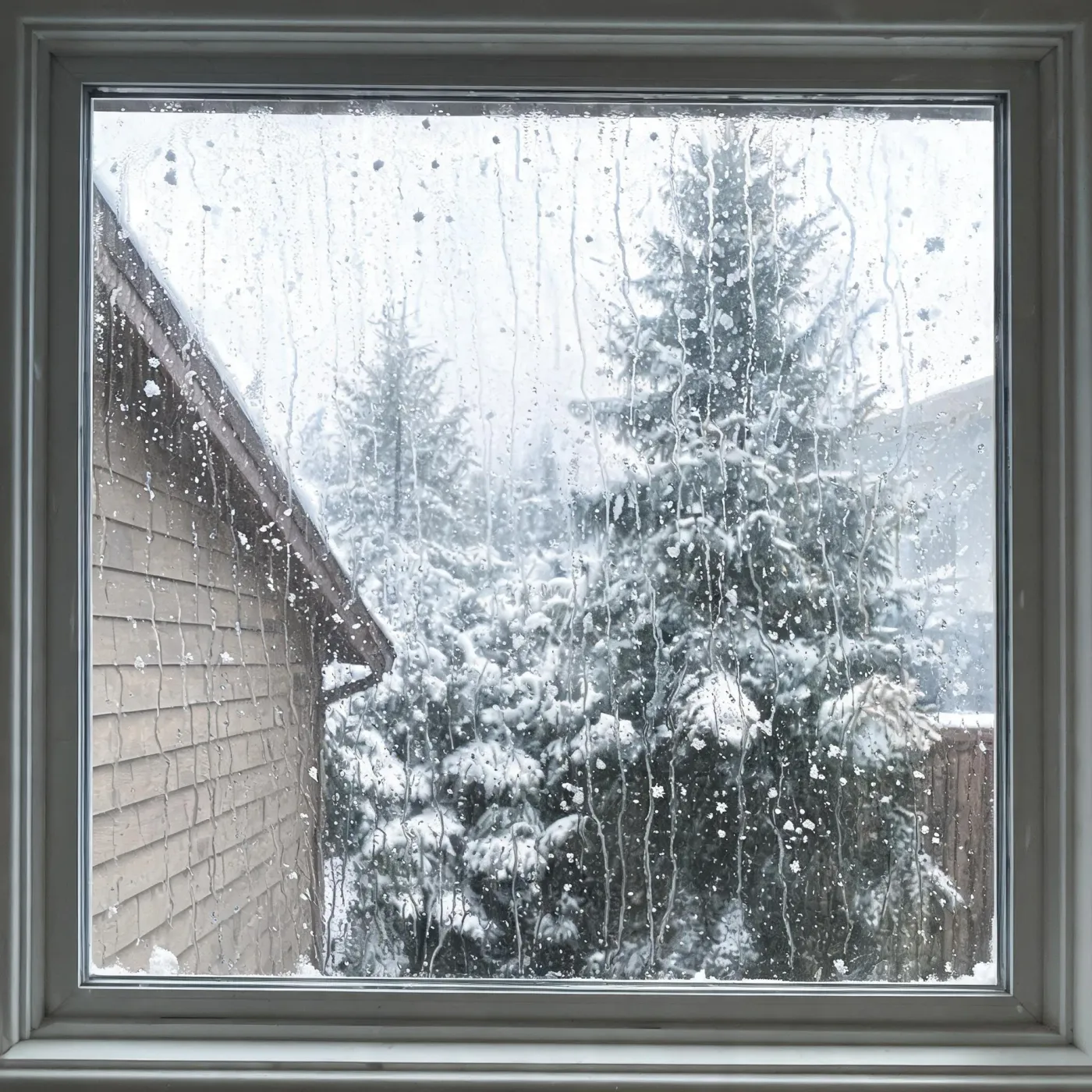
View through a wet, condensation-streaked square window of snow-covered conifer trees, a shingled roof and wall on the left, and a wooden fence on the right.

Winter nights across Washington average 30°F, per NOAA climate data. That's cold enough that an electric furnace is running long stretches to hold the house steady, not just cycling on for a few minutes and shutting off. The coils stay engaged longer, the blower runs longer, and anything loose in the cabinet has more time to vibrate against the frame before the furnace shuts off. A rattle that's barely noticeable on a milder night gets harder to miss once the furnace is working through a 30-degree stretch, and it tends to show up more in the hours the heat runs longest.

NOAA nClimDiv 1991-2020 county normals weighted by homes

A man in a blue T-shirt sits on a light gray sofa, laughing while looking at an open laptop in the foreground, with a framed picture, lamp and potted plant behind him.
A bearded man in a blue and brown plaid flannel shirt stands indoors looking out a window at snow-covered trees, with a ceramic mug on the windowsill.

What a loose part sounds like

A rattle from a bracket or a screw has a steady beat to it, since it's tied to the blower wheel turning. It'll speed up and slow down with the blower, and it usually starts a few seconds after the furnace kicks on, once the wheel is up to speed. Tap the ductwork near the unit and you might hear the same pitch. That steady, mechanical sound is the one a contractor can usually track down fast, because it points to one part doing the shaking rather than several.

What a failing coil sounds like

A coil that's warped or coming loose from its bracket doesn't rattle in time with anything. It ticks or pings as it heats up and expands, then again as it cools down after the furnace shuts off, so you'll hear it when nothing else in the house is running. That's heat moving through metal, not something spinning out of balance. It's a different sound once you know to listen for the timing, and it's worth mentioning to a contractor, since it points at the coil itself instead of a loose panel or screw.

A gray sheet-metal furnace with flue pipe and adjacent ductwork stands against a stone basement wall on a concrete floor, with white PVC and metal pipes running nearby.
Before you get your furnace repair
A gray high-efficiency furnace with white PVC vent pipes stands against a concrete basement wall beside sheet-metal ductwork, a small condensate pump on the floor, and exposed wood framing at left.
After you get your furnace repair

You wait and see if it gets worse before you call anyone about it.

The rattle gets louder over a few weeks as the loose part wears against whatever it's hitting, until the short visit it would have been turns into a longer one.

Winter nights average 30°F statewide

At 30°F, your furnace isn't just kicking on for a few minutes here and there. It's holding that heat for hours at a stretch, and anything loose in there has that whole time to work itself looser against the cabinet or the blower housing.

NOAA nClimDiv 1991-2020 county normals weighted by homes

What the rattle comes down to

  • A rattle in an electric furnace almost always traces back to a loose bracket, panel, or screw working against the blower wheel.
  • Catching the sound early keeps the fix to a short visit instead of a repair that grows with every cold night it's ignored.
  • A contractor who services electric furnaces in Washington all winter knows which bracket or coil mount tends to loosen first.
  • One licensed local contractor takes the call, so you're not fielding quotes from several companies while the house is cold.
  • The coils, the brackets, and the blower wheel are the same parts on every visit, which is why someone who works on them all season spots the cause fast.
  • Once the rattle's sorted, the furnace goes back to running the way it should through the rest of the winter nights ahead.

A rattle in an electric furnace is almost never a mystery once someone's hands are actually on the unit. It's a bracket, a panel, or a screw that's backed out, working against the blower wheel every time the furnace fires. Left alone, those cold nights at 30°F give it hours at a stretch to wear against the cabinet, and a short fix turns into a longer one. Caught early, it's usually quick, because the part causing it is easy to reach and easy to name once someone's looked.

That's the part a contractor who services electric furnaces here all winter already knows. They've seen which bracket tends to loosen first, which coil mount shakes free after enough cycles, which panel screw backs out before the others. That's not guesswork from a manual. It's from being in these furnaces every season, in houses that heat the same way yours does.

When you send the request, it goes to one licensed, local contractor, not a handful of companies calling you back over the next hour while your house is cold. Just someone who knows this equipment, who shows up, finds the loose part, and gets the furnace running quiet again. After that, it goes back to doing what it's supposed to do: holding steady heat through the rest of the winter nights ahead, without anything in the cabinet working itself loose in the meantime.

A dark wood cabinet with a paneled door and a ceramic pot of green foliage on top stands in a beige-walled room with white baseboard, a window at left, hardwood floor, and a patterned area rug.
A dark wood glass-front cabinet holding folded towels, woven baskets and a ceramic vase stands in a bathroom corner beside a window, with a potted fern and stacked towels on top and a freestanding tub partly visible at left.
A woven basket holding a green cushion and a cream fringed knit throw sits on a wood floor in a room corner beside a window and a dark wooden cabinet.
Corner of a room with a dark wood cabinet topped by a round vase, a linen curtain at a window, white baseboard, oak plank flooring with sunlight patches, and a woven jute rug in the foreground.
A dark wood sideboard against a pale wall holds a shallow stone bowl and a round ceramic vase with leafy branches, with sunlight from a curtained window falling across the wall, wood floor and woven rug.

Done looking for a furnace pro

Your request goes to one pro, not a list of companies.

Find a local pro

You're not committing to anything by asking.