Vents open, airflow doing what it's built to do
Air moves through the ducts the way the system was designed, out every vent, back through the return. The blower meets the resistance it expects. Nothing in the ductwork is working against itself.
 Find my pro
A local pro who knows furnaces gets your details and gets in touch.
Closing a vent feels like it should help. Less air going into a room you don't use, more heat for the rooms you do. Your furnace doesn't see it that way, and the forced air system wasn't built to have its airflow shut off room by room.
Most furnaces are sized to move a set amount of air through the whole duct system. Close off a few vents and that air has to go somewhere. It builds up pressure in the ducts, and it can push warm air out through gaps and seams you'd never see, into the attic or a crawl space instead of your living room.
With electric heat, that matters more than it might in a gas-heated house. You're paying for every bit of heat the furnace makes, and if it's leaking out before it reaches you, you're paying for air that never warms your home.
There's also the furnace itself to think about. Restricted airflow makes it work against itself, and over time that shows up as wear in places you can't check without taking the unit apart.
None of this is obvious from looking at a vent. It depends on how your ducts are laid out, where they run, and how your particular system is set up to move air. That's not something a search result can tell you. It's something a contractor sees when they're in your house, looking at your furnace and your ductwork.
If you want someone to actually look at your setup and tell you whether your vents, your ducts, or your furnace are working the way they should, that's a maintenance visit, not a guess. Getting to that point usually means finding a contractor, calling a few, explaining the same thing more than once, and sorting through quotes before you even get someone out to look. Skip that part. Answer a few questions about your home and get matched with a contractor who handles your kind of system, and they'll reach out to you directly.
You keep a few vents shut in rooms you don't use, figuring it pushes more heat where you want it. It seems like simple math. But you've noticed the furnace running more than you'd expect, and you're wondering if closing those vents is actually working against you instead of for you.
Your ductwork is sized for a certain amount of air moving through the whole system. Shut a few vents and that air has nowhere to go, so pressure builds up in the ducts. The furnace pushes against that pressure instead of moving air freely, and it uses more electricity to do it. Since most homes in Washington heat with electricity, that shows up on your bill even though power here is cheap. The pressure can also force warm air out through small gaps in the ductwork before it ever reaches a room. Leaving vents open keeps air moving the way the system was built to handle, which is what keeps a furnace running efficiently through the winter.
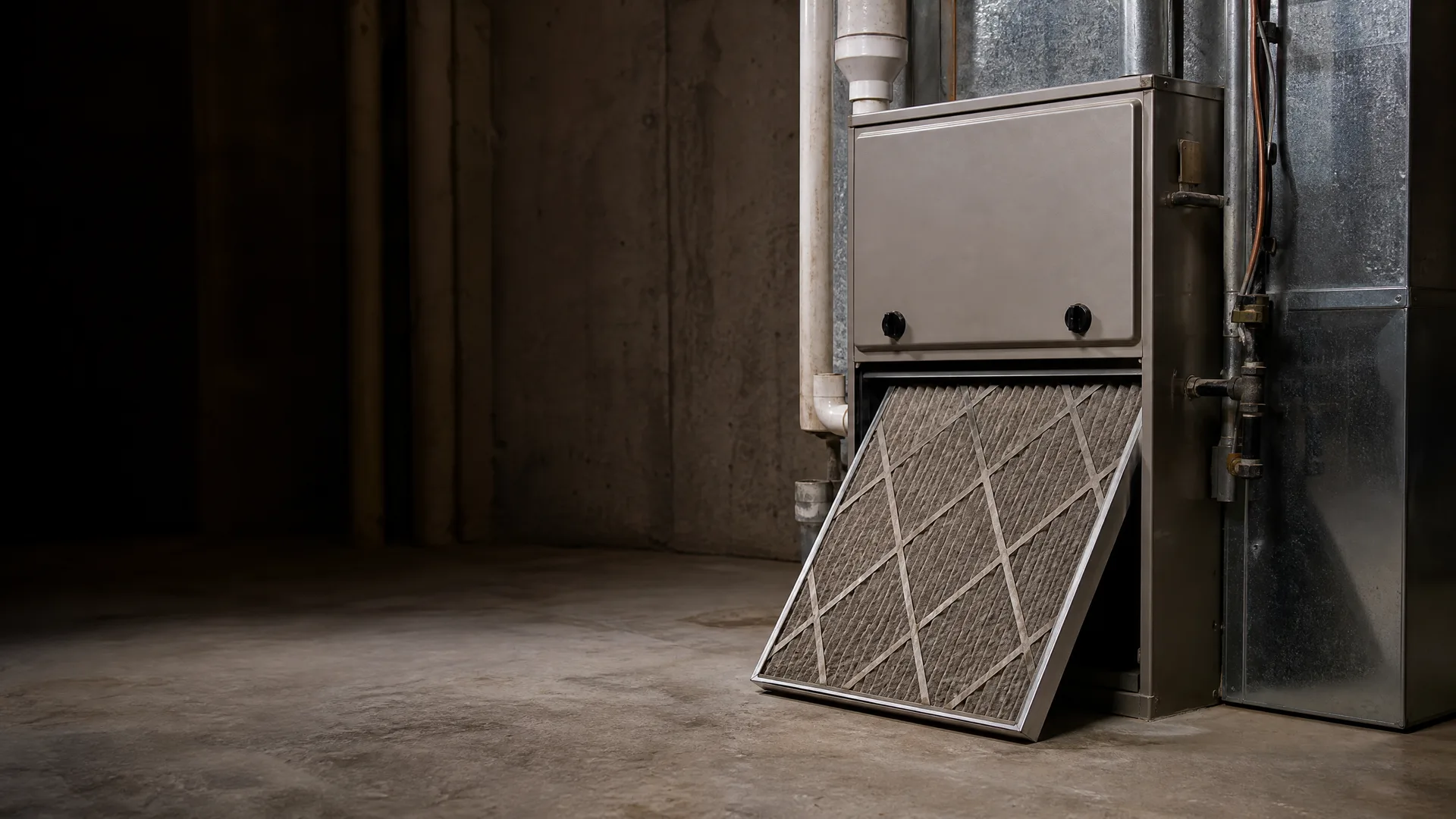
You're down in the basement on an October afternoon, pulling the filter to see how bad it is. It slides out grey, dust packed into the pleats, the kind you can't see through anymore. You think about the spare room upstairs, the vent you've kept shut since last winter to save on the electric bill. The furnace is running longer than it used to, and you'd chalked that up to the cold snap. Standing here with the filter in your hand, you're not so sure anymore. You don't know what a closed vent does to the rest of the system, only that something's working harder than it should, and you'd rather have someone who knows furnaces look at this one than keep guessing room by room.
A furnace that's working against closed vents runs longer to do the same job, and in a house that heats with electricity, that extra runtime shows up on the bill whether or not the power rate is low. The pressure a closed vent creates can also crack a duct joint or strain the blower motor, and you won't see that happening behind the walls. A maintenance visit is where this actually gets sorted out. A contractor can check your static pressure, look at whether your ducts are sized for the way you're using the vents now, and tell you if the spare room should stay open regardless. Finding that contractor yourself means searching around, calling a few companies, explaining the same vent and the same furnace noise to each one, then sitting on quotes trying to tell them apart. Handing that off means one contractor who takes on your situation, reaching out to you directly, so you can get back to just living in the house instead of wondering about the room upstairs.
A forced air furnace runs on a fixed blower speed. It's built to push a certain volume of air through the ductwork, and it doesn't adjust that volume based on how many vents happen to be open. When you shut a few, that air has to go somewhere, and the ductwork is sealed to hold a certain amount of pressure, not more. Pressure past that point looks for the weak spots: the seams, the joints, the places where sections of duct meet. Warm air leaks out there instead of reaching the register in your living room, which means the furnace has already done the work of heating that air and lost it before it counted for anything. Meanwhile the blower motor is pushing against resistance it wasn't sized for, and the heat exchanger is cycling longer to keep up, both running hotter than they're meant to. None of this shows up on your thermostat, because the thermostat only reads the temperature of the room it's in. It has no way of knowing a vent down the hall is closed, so it just keeps calling for heat the same as always. And the room behind that closed vent isn't sealed off from winter. It still has walls facing outside, maybe a window, and it's still losing heat through them, heat the furnace is still trying to replace, just with the door shut on the easiest way in.



Air moves through the ducts the way the system was designed, out every vent, back through the return. The blower meets the resistance it expects. Nothing in the ductwork is working against itself.

Air backs up behind every closed vent and the blower keeps pushing the same volume into a smaller path. That pressure finds the seams in the ductwork, old galvanized joints included, and warm air leaks out before it reaches a room.




Furnace blowers get sized to a fixed volume of air moving through every vent and return. Shutting vents doesn't reduce that volume, it just blocks where it goes.
A furnace checkup can catch static pressure problems closed vents cause, long before they show up as a cracked duct joint or a failed blower motor.
Average overnight lows across the state sit around 30°F through December, January and February. That's below freezing most nights your furnace runs, which means long stretches where it's working steadily, not in short bursts. Closed vents add resistance on top of that steady load.
NOAA nClimDiv 1991-2020 county normals weighted by homes
Closing vents doesn't save heat. It makes your furnace push against itself, and over a winter of nights in the 30s, that adds up to more strain, not less. Leaving vents open is the one part of this that costs nothing. What takes more out of you is everything around getting a furnace looked at: finding someone licensed who covers your area, calling a few to compare what they'd charge, explaining the same static pressure concern each time, then sorting through quotes that don't quite line up. You already know the vents should stay open. What's left is getting a tech out to check whether the pressure from years of shut vents did any damage, and that part doesn't have to run through you making five calls. You've kept this house up this long by paying attention to things like this one.

Skip searching for a furnace pro and answer a few questions instead.