Washington HVAC Help
A gray high-efficiency furnace with two white PVC vent pipes stands beside galvanized sheet-metal ductwork in a dim basement with exposed joists and a concrete floor.

Skip the search

Why your heat won't reach upstairs in Washington

Cold rooms upstairs usually come down to a duct that's closed off or crushed, a blower that can't push air that far, or a system that was never sized right for the second floor. This page walks through what's actually behind it. Skip the search for someone who works on furnaces around here and the back and forth explaining the problem more than once, and get matched with one local contractor who can take a look.

Skip the calls

Heat that won't reach the upstairs usually means the air isn't getting there, not that your furnace is too weak. Warm air rises on its own, so the bedrooms on the second floor should run warmer than the living room, not colder. When they don't, something along the way is stopping it: a duct run that's closed, kinked, or crushed in the attic or a wall, a return that's too small to pull air back down and keep it circulating, or a blower that was sized for the layout the house had before an addition or a finished attic changed things. Electric furnaces push air through the same ductwork as any other system, so the same blockages apply. None of this shows up by looking at the thermostat. It takes someone checking the ducts and the airflow at each register to find where the air is actually stopping.

A gray furnace with white PVC vent pipes stands beside sheet-metal ductwork in a basement with a smooth concrete floor, exposed wood framing, and plastic sheeting on the walls.
A furnace like this pushes air evenly to every duct, upstairs included, when the blower and ducts are doing their job.
A beige furnace with two access panels stands against a concrete basement wall, with galvanized sheet-metal ductwork, a white PVC pipe, flexible conduit and insulated ducting around it.
Rust on the cabinet and a tired flue often line up with a blower too weak to push air up a full flight of ducts.
A woman in a knitted shawl sits in a living room with a fireplace, shelves, a sofa with cushions, and a lamp by a bright window, looking off to the side.
A woman with long brown wavy hair in a green shirt over a white top stands in a living room with built-in white shelves, a ceiling fan, a potted plant and a sliding glass door.
A woman with shoulder-length gray-streaked hair in a light gray knit sweater stands smiling and looking off to the side in a living room with a sofa, houseplant, framed picture, and sunlit sliding glass door.
A woman with shoulder-length curly gray hair wearing a gray knit sweater stands near a window with a sheer curtain, looking to the side, with a blurred interior room behind her.

Is this what you're dealing with upstairs

You check the vents upstairs and the air barely moves, or doesn't move at all. The thermostat downstairs says 70 while the bedrooms sit in the low 60s. Maybe one register blows fine and the one down the hall blows nothing. At night the kids pile on extra blankets, or you've got a space heater running in a bedroom because the furnace isn't keeping up. You've probably shut a few vents downstairs thinking that would push more air up, and it hasn't changed much. Left alone, a house that heats unevenly tends to run the furnace longer trying to satisfy one thermostat while upstairs stays cold, and electric heat in Washington runs on a meter the whole time it's doing that.

A gray residential furnace with two panel doors stands against a plain light wall in a concrete-floored room, connected to metal ductwork and white and copper pipes.

Why electric furnaces lose the far rooms

A forced-air electric furnace heats air at the unit, then relies on the blower alone to push it through the ducts. There's no second heat source along the way like a boiler loop or baseboard to help it out upstairs. If a duct run to the second floor is long, kinked, or was sized for a shorter trip, the air cools before it reaches the vent, and the blower has no way to make up for it.

A gray high-efficiency furnace with white PVC venting pipes stands against a plain wall in a basement, connected to sheet-metal ductwork on a concrete floor.

What a return vent upstairs does

Every room that gets warm air needs a way to send air back to the furnace, or pressure builds and less warm air arrives in the first place. A second floor with one undersized return, or none at all, fights itself every time the blower runs. Check whether your upstairs hallway has its own return grille. If it doesn't, that alone can explain why the vents blow but the rooms stay cold.

Winter nights average 30°F statewide

With overnight lows near 30°F across the state, your furnace has to push warm air the full run of ductwork to the second floor, not just take the chill off downstairs. A blower that's underpowered or ducts that are blocked show up first in the rooms farthest from the unit.

NOAA nClimDiv 1991-2020 county normals weighted by homes

A furnace sized and balanced for the house warms the upstairs within a few degrees of the main floor, so a bedroom at night feels as warm as the living room did that evening.

A furnace fighting a crushed duct or a weak blower never catches up, so the same bedroom stays in the low 60s no matter how long the system runs or how high the thermostat gets set.

A gas furnace with a louvered upper panel stands on a concrete pad in a basement, flanked by sheet-metal ductwork, white PVC and metal pipes, and insulated columns.
Before you get your furnace repair
A dark high-efficiency furnace on a concrete pad in a basement, connected to galvanized ductwork, white PVC vent pipes, and copper and black gas piping, with concrete walls and wood framing nearby.
After you get your furnace repair

Explain it one time

You don't need to figure out whether it's the blower, a crushed duct, or a run that was never sized for the second floor. That's a diagnosis for someone who works on electric furnaces all winter in Washington homes and has seen which part usually gives out when the upstairs runs cold. Your request goes to one licensed local contractor, not a handful competing for your callback, so you're not stuck fielding five calls and repeating the same description of the thermostat reading 70 while the bedrooms sit in the low 60s. No searching review sites, no calling around to see who answers, no sorting through quotes that all frame the problem differently. With lows near 30°F overnight, a cold upstairs isn't something that fixes itself before the next cold snap. Hand it off now and let someone who knows this equipment take it from here.

A beige high-efficiency furnace with white PVC vent pipes stands beside galvanized sheet-metal ductwork in a basement with a concrete floor, exposed wood studs, and metal piping along the wall.

Furnace keeping up

A setup like this moves air evenly through the trunk line and out to every run, second floor included. The blower has no trouble filling a duct this size, so the bedrooms upstairs get the same push of warm air the living room does.


An older beige furnace with a louvered vent panel stands on a concrete basement floor beside galvanized sheet-metal ductwork, a metal flue pipe and vertical pipes along a concrete wall.

Furnace falling behind

An older unit like this can still fire fine and still lose the upstairs. A flue that's narrowed, a cabinet showing its age, or a blower that's lost some strength all show up the same way: the nearest rooms warm up fine, the ones at the end of the run don't.

Does closing the upstairs vents in summer mess up the heat in winter?

Some homeowners close off the upstairs vents in summer since the heat and humidity aren't as bad here and the rooms barely need cooling. Then winter comes, the furnace runs, and the upstairs still won't warm up. It's worth asking whether that habit from summer carries over and causes the problem.

Closed vents from summer can still be closed in winter

A vent you shut in July doesn't open itself in November. If it's still closed, the duct behind it is dead, and that room gets no heat at all no matter how hard the blower works. Closing a vent also changes the pressure in the whole duct system, pushing more air to the rooms that are still open and less to everywhere else, so a room two doors down can run cooler for the same reason. The fix is simple to check yourself: walk the upstairs and open every vent before the furnace season starts. If the room is still cold with the vent open, the problem is the duct or the blower, not something left over from summer.

A woman with her hair in a bun holds a sleeping young child against her chest, both wrapped in a textured beige knit blanket on a sofa in a dimly lit room with a lamp, framed picture, and bookshelf behind them.
A smiling older woman with gray hair in a cream knit sweater stands in a dimly lit kitchen beside a window showing snow outside, with a round loaf of bread on the counter in the foreground.

Call around to find out who works on electric furnaces

You'd be ringing different companies, explaining the cold bedrooms each time, then stacking up quotes to see which one actually knows ducted electric systems.

Describe it once

One contractor, already local

A single licensed contractor who services electric furnaces in Washington homes all winter takes the call, already knowing what usually causes an upstairs to run cold.

Describe it once

Live With Cold Rooms or Fix the Airflow

Live with it

  • The bedrooms upstairs stay in the low 60s while the rest of the house sits at 70, every night, all winter.
  • A space heater in the coldest room adds to the electric bill without fixing why the air isn't getting there.
  • The duct or blower problem doesn't go away on its own, so the gap between floors stays the same from October through the last cold snap in spring.
  • Closed-off rooms upstairs can leave that part of the system working against itself the next time the furnace runs.
  • You keep adjusting the thermostat downstairs to try to push more heat up, which heats the main floor past where you'd otherwise set it.

Get it repaired

  • A contractor who works on electric furnaces in Washington homes checks the blower, the ducts, and the runs to the second floor to find which one is actually short on air.
  • A crushed or disconnected duct gets fixed instead of worked around, so the fix holds instead of needing a space heater every winter.
  • Once the airflow problem is corrected, the upstairs should run close to the same temperature as the main floor overnight, not several degrees under it.
  • You deal with one local contractor instead of calling around and explaining the cold bedrooms to a handful of companies.
  • The same contractor who diagnoses the problem is the one who makes the repair, so there's no separate step of finding someone to do the work once you know what's wrong.
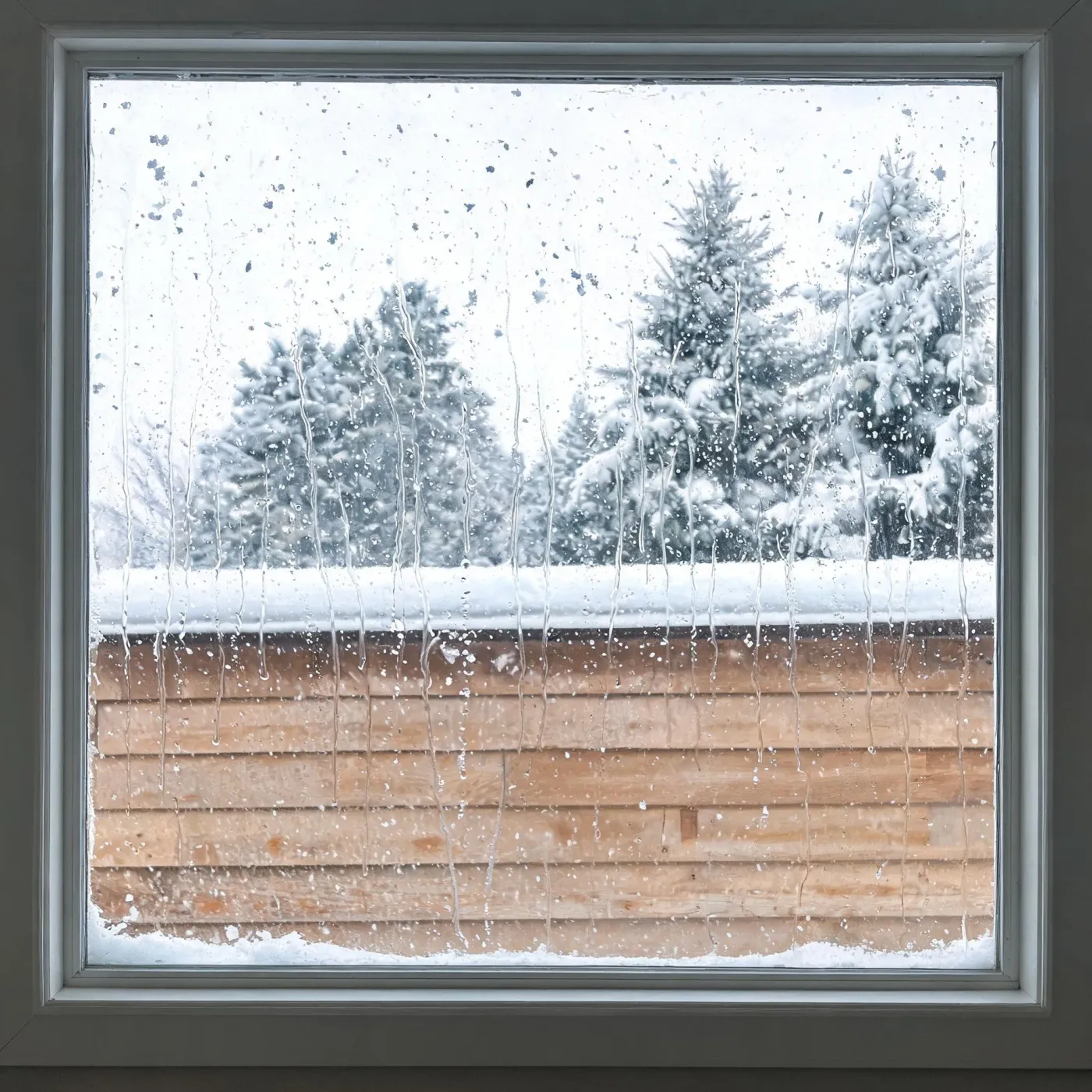
View through a wet, snow-flecked window with water streaks running down the glass, showing snow-covered evergreen trees above a wooden board fence topped with snow.

Statewide, winter nights average 30°F, according to NOAA climate data. That's the air your furnace is working against every time it tries to push heat up to the second floor. A duct run that's slightly undersized or a blower that's lost some strength might not show up on the main floor, where the thermostat sits close to the furnace and the air doesn't have as far to travel. Upstairs is where it shows. The warm air cools a little more with every foot of duct it crosses, and on a 30°F night there's less room for error before a bedroom ends up noticeably colder than the room below it.

NOAA nClimDiv 1991-2020 county normals weighted by homes

A closed silver laptop and a glazed ceramic mug on a wooden table, with a blurred kitchen counter, potted plant, cutting board and window in the background.

Cold upstairs rooms have a reason, and it can be found

A duct that's crushed or closed, a blower too weak for the run, or a system that never matched the second floor. Whichever it is, it has a cause, and the cause is findable by someone who opens the ductwork and looks instead of guessing from downstairs.

You don't have to spend an evening calling furnace companies around the state, telling each one about the cold bedrooms and the thermostat that says 70 while upstairs sits in the low 60s, then lining up quotes to see who actually knows electric furnaces and ducted systems. One local contractor takes the call, hears what you've already noticed about which vents blow weak, and goes to work from there.

Interior corner of a living room with a beige upholstered sofa and dark cushion in the foreground, a ceramic vase of leafy branches on a dark side table by a curtained window, a framed picture on the wall, and a wood-surround fireplace at right.
An empty basement with bare concrete walls and floor, exposed wooden joists and pipes overhead, and a dark furnace with sheet-metal ductwork and vent pipes in the right corner.

Skip calling around

The pro who reaches out is licensed in Washington.

RepairFurnace or heatingWashington
Step 1 of 2

What ZIP code is the job in?