
Furnace Installation in Bellingham, WA
Tell us about the house, and a licensed contractor who covers Whatcom County will get in touch.
Tell us about the job
It takes about a minute.
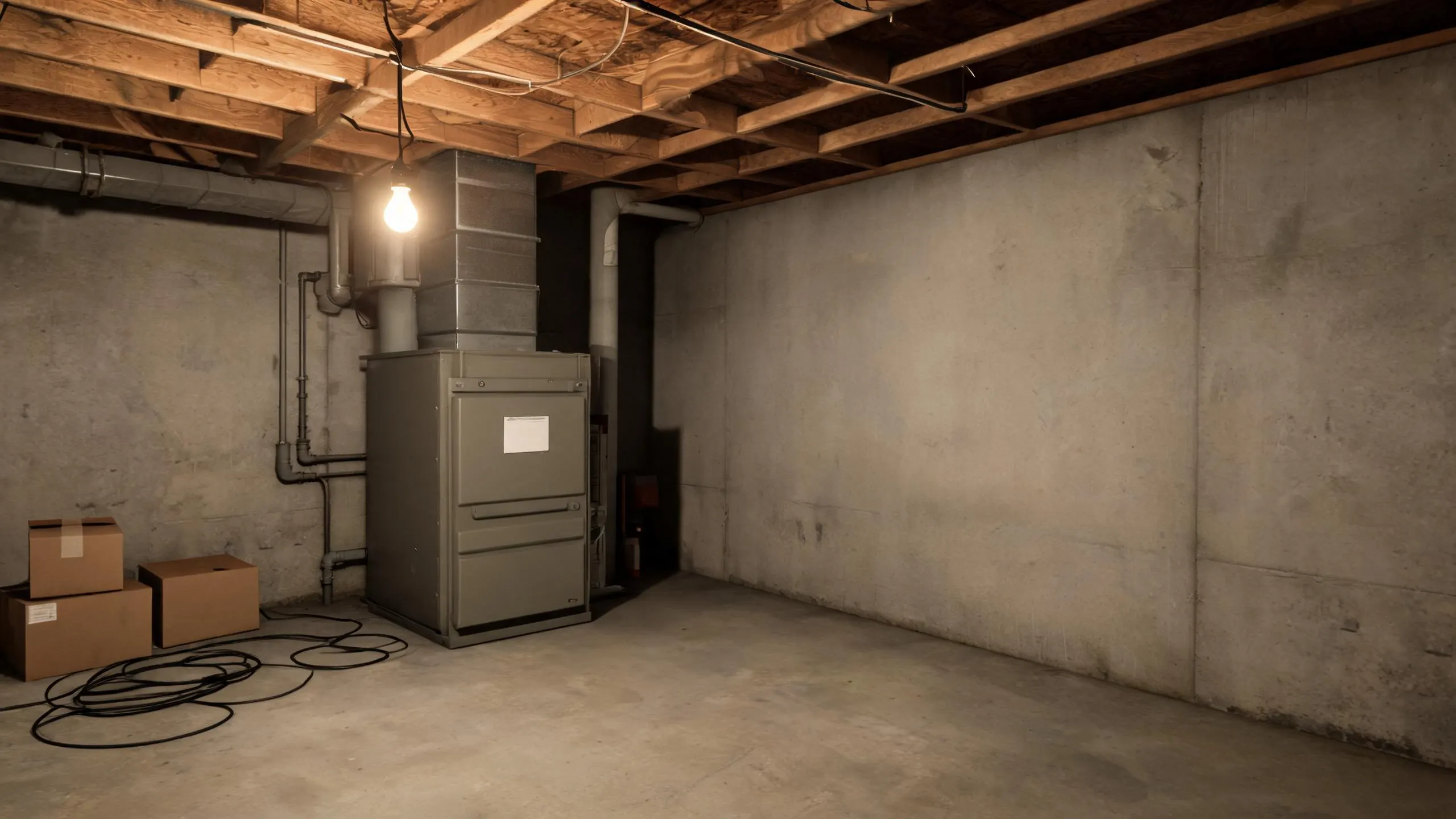
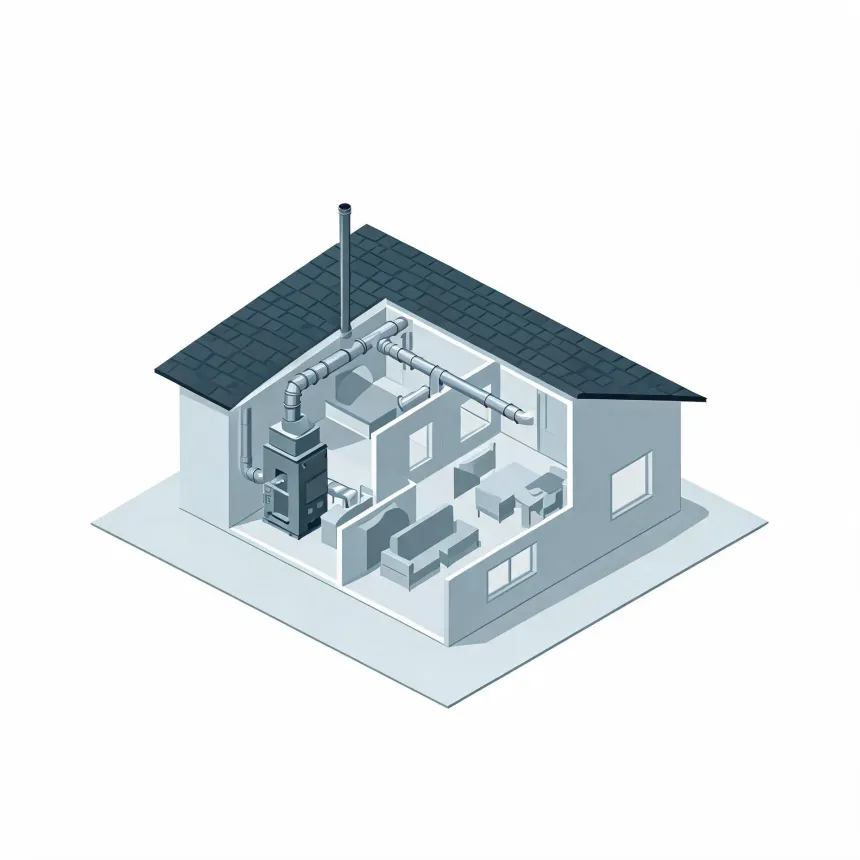
A furnace here works all year, not just in winter
Homes in Whatcom County need heat 12 months a year. Winter nights average 27°F from December through February, and the furnace has to keep up on top of that year-round load.
Almost half of homes here heat with electricity, and in 2024, 23% of Washington households lost power for at least 24 hours. A gas furnace keeps working through an outage that shuts down an electric system. If you're putting in a non-weatherized gas furnace, federal rules set the floor at 80.0 percent AFUE, so that much efficiency comes standard no matter which model you pick.
- 27°F
- the average winter night it heats against
- 80% AFUE
- the federal minimum any new unit must meet
NOAA nClimDiv, 1991–2020 normals
Washington requires contractors to register with the state.
That registration puts the contractor's business on file with the Department of Labor and Industries. There is no trade exam behind it. Nobody at the state has tested this contractor's gas or furnace work before handing them the number.
For a furnace install, the protection you're actually leaning on is local. In most cities and counties, replacing a furnace needs a permit from the building office, and an inspection once the work is done. That inspection is what checks the gas connection and venting, the part of the job where a mistake actually matters.
Source: Washington State Legislature
- What size furnace does my house need?
- A contractor works this out with a load calculation, not by measuring your old furnace or going by square footage alone. That calculation looks at your insulation, your windows, your ceiling height, and how the house holds heat when it's 27°F outside, which is a normal winter night here. A furnace that's too big will short cycle and wear out early. One that's too small will run constantly and still leave rooms cold.
- How do I know it's time to replace my furnace?
- If it's breaking down more than once a season, or the repairs are starting to add up, replacement is usually the better call. Age matters too. A furnace installed today has to meet 80 percent AFUE at minimum, so if yours is old enough to predate that, it's likely running well below that efficiency now. Since homes here need heat every month of the year, a furnace that's struggling doesn't get much of a break to recover between runs.
- Is a high-efficiency furnace worth it?
- It depends on how much you heat and what fuel you're using now. Since this area needs heat 12 months a year, a furnace here logs a lot more run hours than one in a place with a short winter, which is where higher efficiency has more chance to matter. Almost half the homes here heat with electricity rather than gas, so whether a high-efficiency gas furnace makes sense for your house depends on what you're switching from. A contractor can walk through the actual numbers for your home.