
Furnace Repair in Everett, WA
Furnaces here run from September through June. If yours quits, tell us what it's doing and a licensed contractor who covers Snohomish County will get in touch.
Tell us about the job
It takes about a minute.
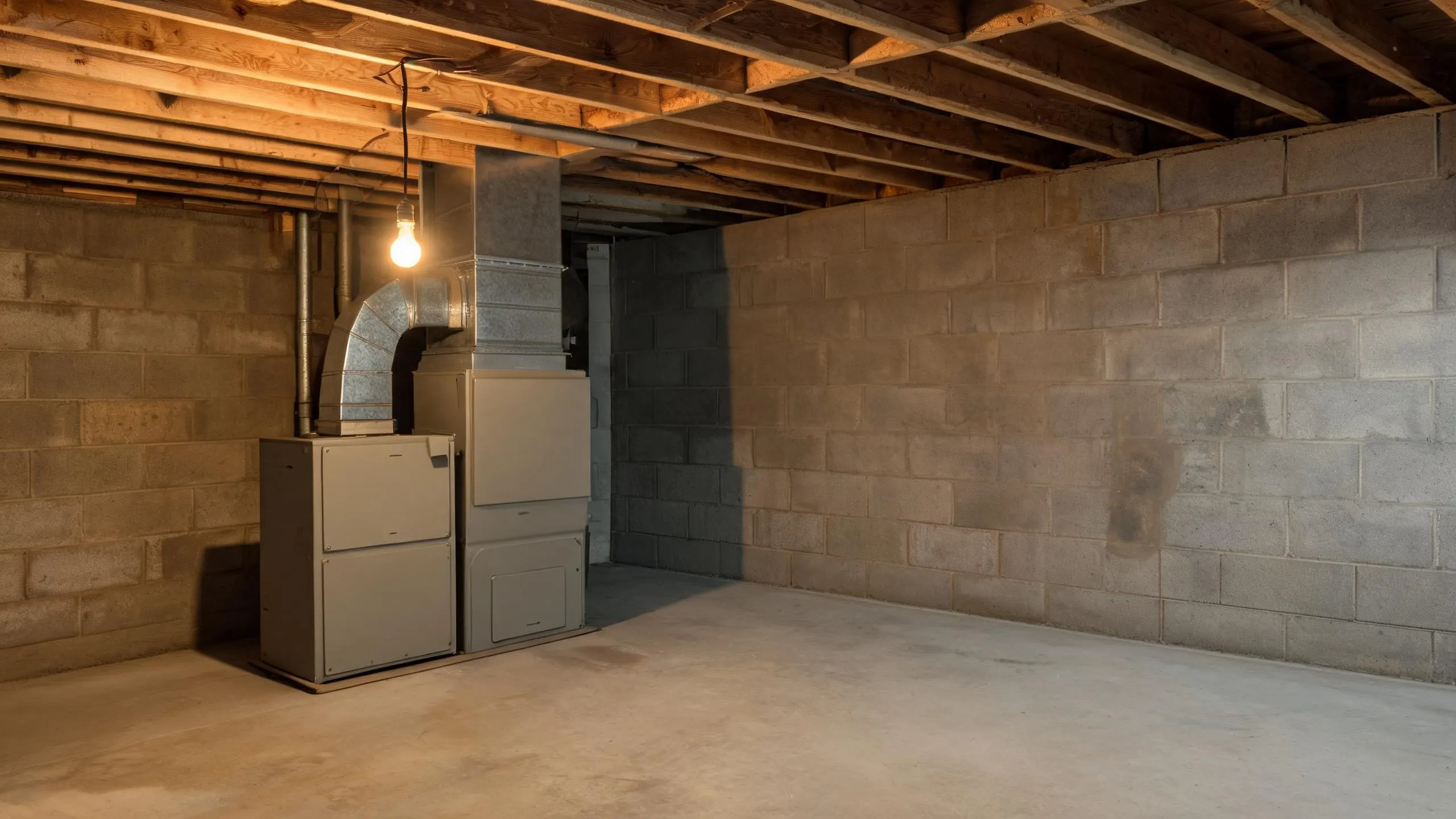
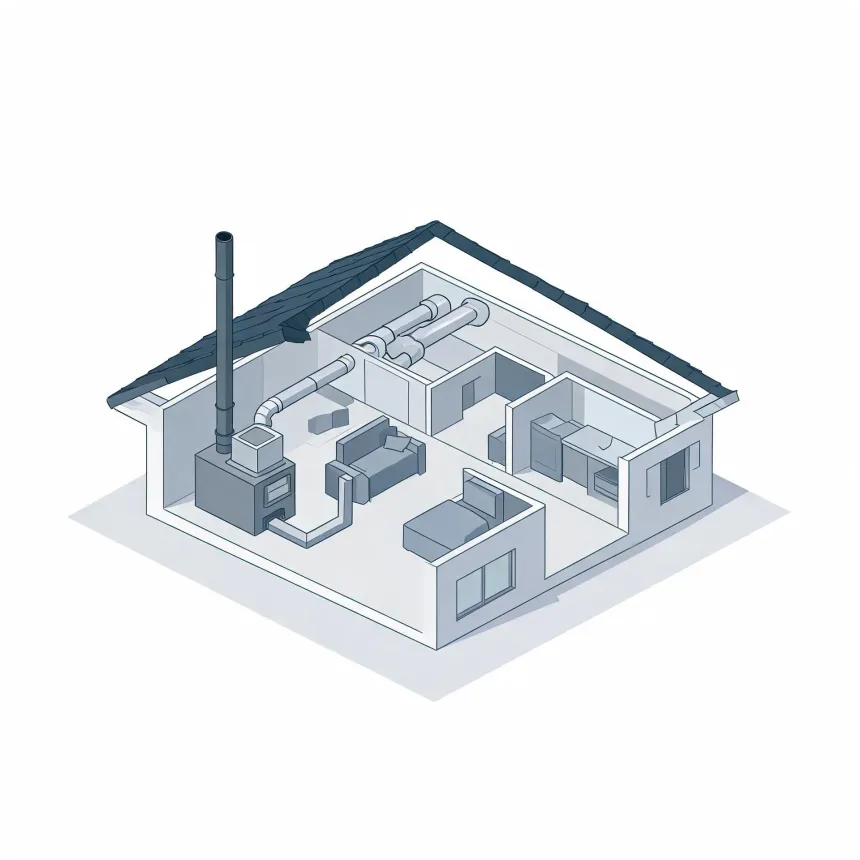
Ten months of heat a year wears a furnace down
Everett needs furnace heat from September through June. That is ten months of the burner lighting, the blower running, and the cycle starting over again, night after night through winters that average 30°F.
More than half the homes in this area heat with electricity, and Washington households saw real outages last year, 23% went at least a day without power. When the power drops on a cold night and comes back, a furnace with electric ignition has to relight on its own. A part that was already close to failing often shows it right then. That long heating season is what wears an igniter or a flame sensor down in the first place.
- 10 months
- September through June, your furnace is on duty
- 30°F
- the average winter night it heats against
NOAA nClimDiv, 1991–2020 normals
Washington requires contractors to register with the state.
That registration means the contractor's business is on file with the Department of Labor and Industries and carries the bond and insurance the state requires to issue that number. Nobody tested them on furnace repair to get it. It tells you the business is legitimate and on record, not that the state checked their work.
For a gas furnace, the part that matters most is the gas connection, and registration doesn't test anyone on that. Washington's rule stops at the business record. Whatever keeps that connection safe on this job comes from the contractor's own training and care, not from anything the state checked before handing out a registration number.
Source: Washington State Legislature
- Why won't my furnace turn on?
- Start with the thermostat and the power switch, since those cause more no-heat calls than anything mechanical. Check that the thermostat is set to heat and a few degrees above room temperature, and check the switch that looks like a light switch near the furnace, since it's easy to bump off. If those are fine, look at the breaker panel, then the furnace door itself. Furnaces have a safety switch on the access panel that cuts power if the door isn't seated right, so a panel that's slightly loose or missing a screw can stop the whole system cold. If power is reaching the furnace and it still won't respond, the igniter or the control board may have failed, and that's a job for a contractor to diagnose.
- Why is my furnace blowing cold air?
- Most often the burners aren't lighting, so the blower is running but nothing is heating the air passing through it. This can mean a dirty flame sensor, a failed igniter, or a gas valve that isn't opening. It can also mean the furnace is in a delay between cycles, so air feels cool for a minute before it warms up. If the fan runs constantly and the air stays cold, check that the thermostat fan setting is on auto rather than on. A furnace that never gets past cold air needs a contractor to check the ignition system directly.
- Why won't my furnace pilot light stay lit?
- A pilot that won't stay lit is usually the thermocouple, the small rod that sits in the pilot flame and tells the gas valve it's safe to stay open. When it wears out or sits out of position, the valve shuts the pilot off within seconds of lighting it. A draft near the pilot or a dirty pilot orifice can cause the same thing. Homes here need heat from September through June, so a pilot system that's marginal tends to show it early rather than waiting until the coldest week. Replacing a thermocouple is a simple part swap for a contractor once it's confirmed as the cause.