
HVAC Repair in Everett, WA
If your system quits, tell us what it's doing and a licensed contractor who covers Snohomish County will get in touch.
Tell us about the job
It takes about a minute.
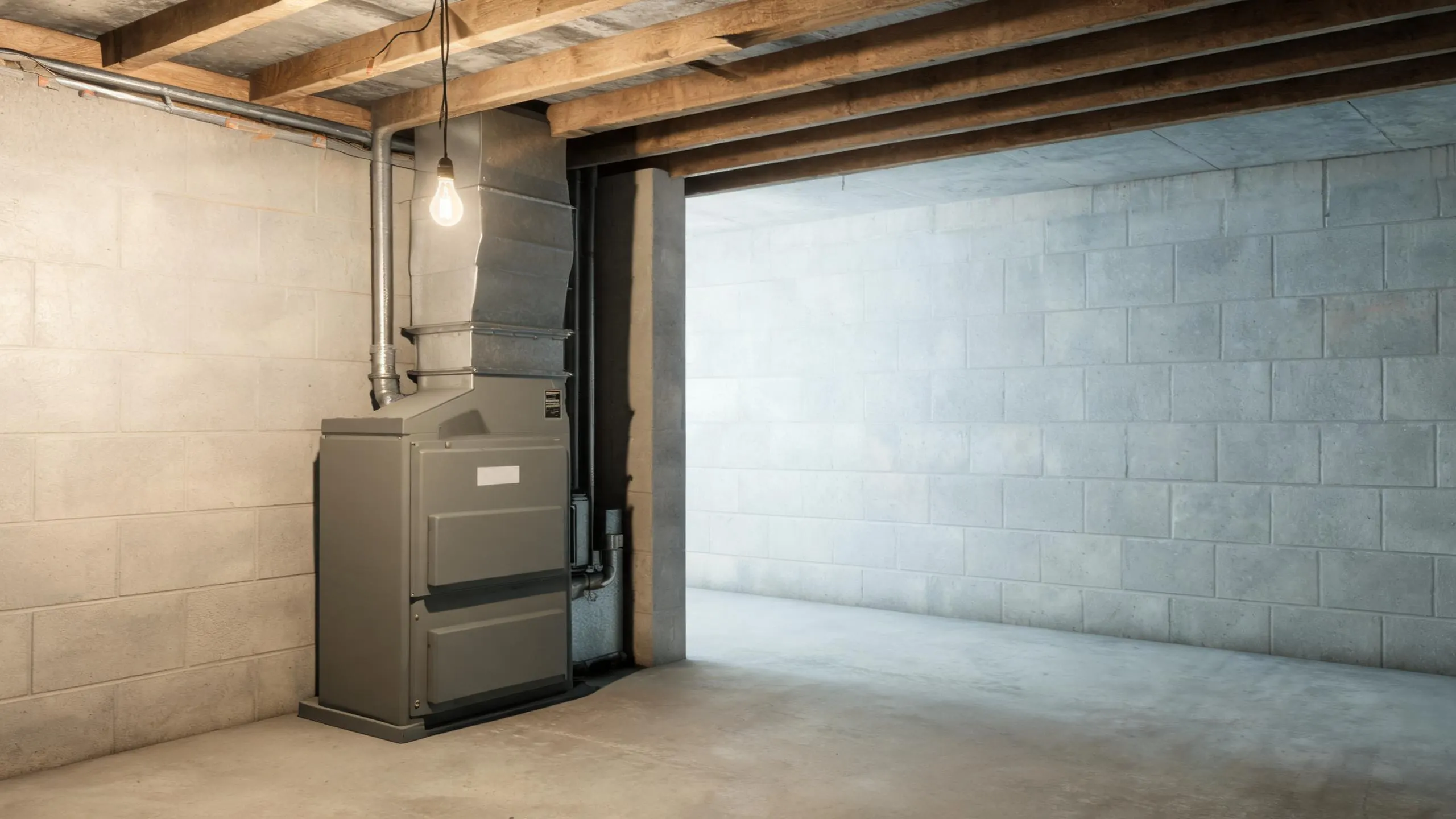
Ten months of heat, one furnace doing all the work
Your furnace runs from September through June here. That is ten months a year of lighting, running, shutting off, and doing it again the next night. On winter nights that average 30°F, it cycles on and off for hours at a stretch. Every one of those starts puts wear on the igniter and the parts that get the burner going.
More than half the homes in the county heat with electricity. When the power drops, that heat stops with it, and in Washington almost a quarter of households lost power for a full day or more last year. Summers here stay mild, so the strain runs the other way. It is the furnace that logs the hours, season after season, and the furnace that gives out first.
- 10 months
- September through June, your system heats
- 30°F
- the average winter night it heats against
- 69°F
- the average summer afternoon it cools against
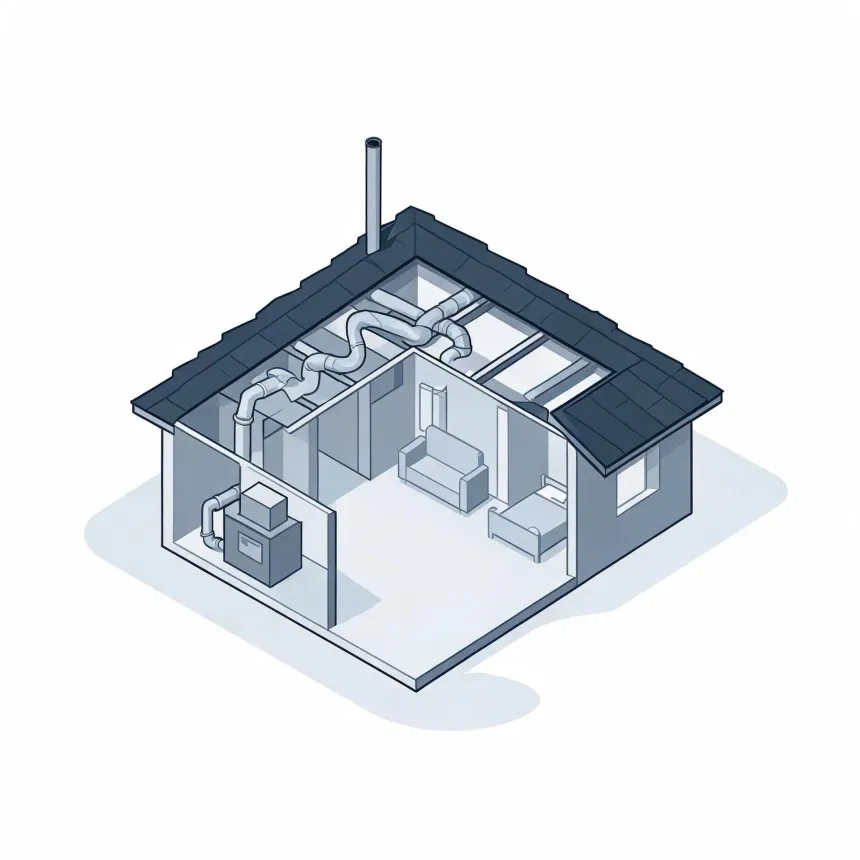
Washington requires contractors to register with the state.
Washington's registration puts the business on file with the Department of Labor and Industries. It is a record, not a test. Nobody at the state checked this contractor's knowledge of furnaces, heat pumps, or the wiring and refrigerant lines inside them before handing out that registration number.
So the registration on file is not what stands behind the work on your system. The repair itself, and whether it was done right, comes down to the contractor's own skill and whatever the manufacturer or local code requires for that particular job. Washington's rule tells you the business is registered. It does not tell you the furnace was fixed correctly.
Source: Washington State Legislature
- Why is my heat not working?
- Start with the thermostat. If the screen is blank, check the batteries or the breaker before you assume the furnace itself has failed. If the thermostat is fine, look at the furnace for a blinking light on the control board, which points to a specific fault, or listen for the igniter clicking without the burners lighting. Homes here need heat from September through June, with winter nights averaging 30°F, so a furnace that won't start is worth calling in fast rather than waiting to see if it comes back on its own.
- Why is my system running but not cooling the house?
- If the blower is running but the air coming out isn't cold, check the air filter first. A filter clogged with dust chokes airflow across the coil and can cause it to ice up, which stops it from pulling heat out of the air. If the filter is clean, check outside for a condenser fan that isn't spinning or a coil covered in leaves and debris, since either one keeps the system from shedding heat properly.
- What can I check before calling for HVAC repair?
- Check the thermostat settings and batteries first, since a wrong mode or dead batteries can look exactly like a broken system. Next check the breaker panel for a tripped switch, especially if the system stopped suddenly. Look at the air filter and swap it if it's gray or clogged. If you have a gas furnace with a pilot light, check whether it's still lit. None of this fixes a failed part, but it rules out the simple causes before a contractor comes out.