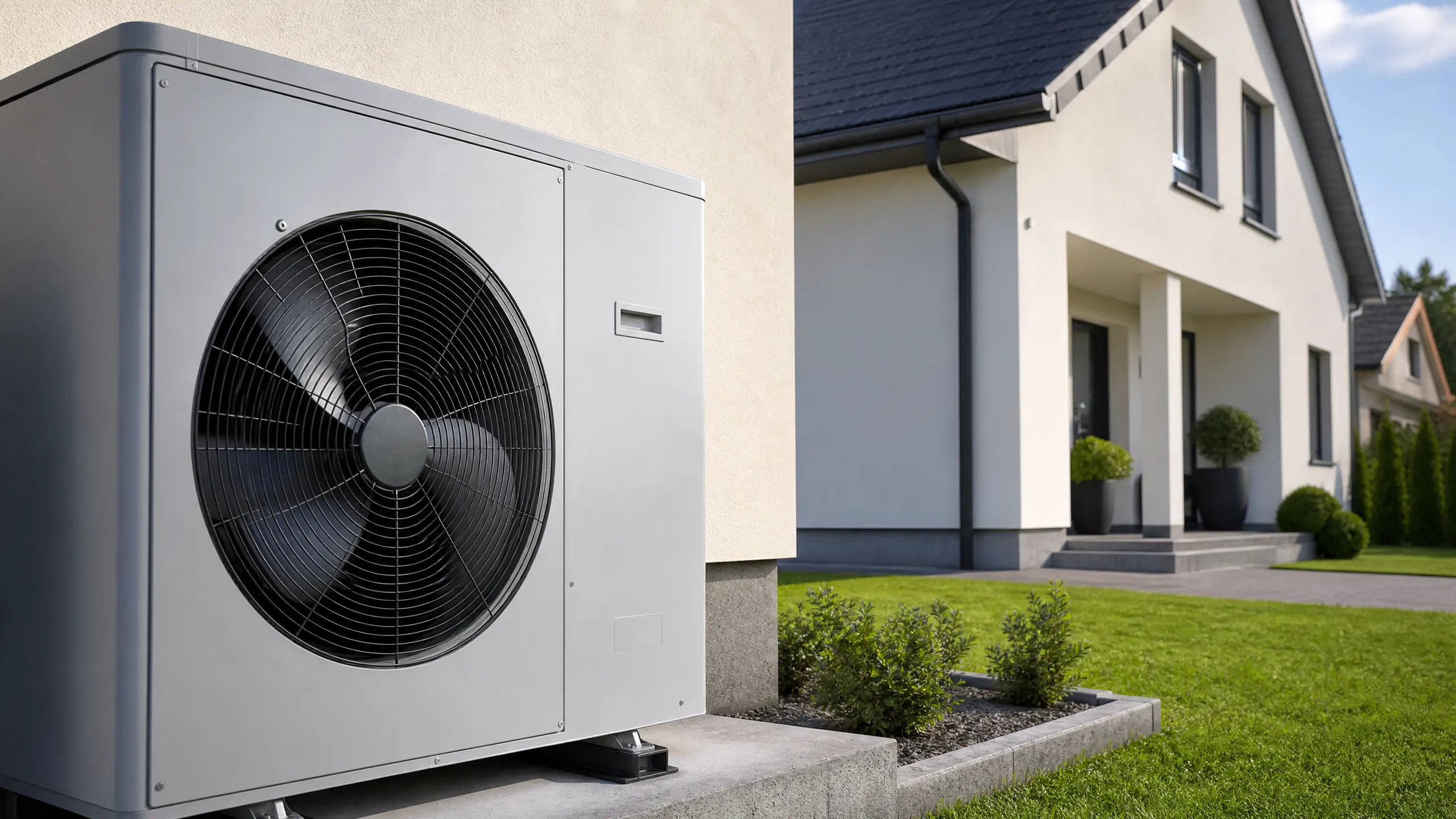
Heat Pump Installation in Vancouver, WA
A new system here will heat from October through June and cool from August through August every year. Tell us about the house, and a licensed contractor who covers Clark County will get in touch.
Tell us about the job
It takes about a minute.
Nine months of heat, one month of cooling
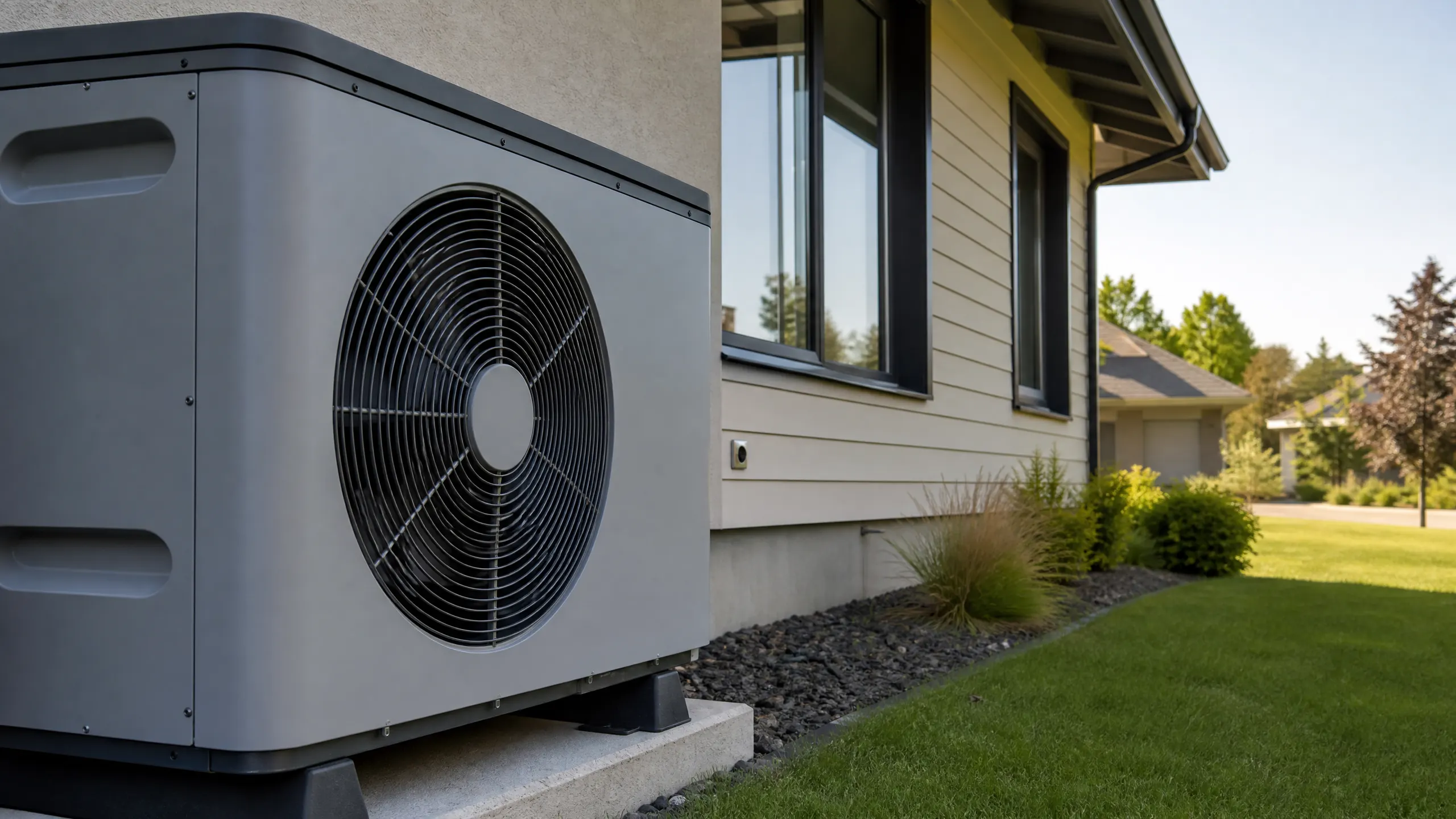
Your heat pump works most of the year here. Winter nights average 35°F from December through February, mild enough that a heat pump keeps up without much strain, and homes need heat from October through June. August is the only month that calls for cooling, with afternoons averaging 77°F.
A new split-system heat pump has to meet federal minimums of 14.3 SEER2 for cooling and 7.5 HSPF2 for heating. With most homes here heating with electricity, the unit installed has to carry the load through most of the year, not just take the edge off a few cold snaps.
- 9 months
- October through June, your system heats
- 1 months
- August through August, it cools
- 35°F
- the average winter night it heats against
- 77°F
- the average summer afternoon it cools against
NOAA nClimDiv, 1991–2020 normals
Washington requires contractors to register with the state.
That registration means the contractor's business is on file with the Department of Labor and Industries. Nobody tested their heat pump work to get that number. It tells you the business exists on paper, not that the state checked their skill.
For this installation, the protection that actually covers the work comes from somewhere else. In most cities and counties, replacing a heat pump needs a permit from the local building office, with an inspection once the work is done. That inspection checks the work against code, not the registration number on the contractor's truck.
Source: Washington State Legislature
- Is a heat pump better than a furnace?
- A heat pump does something a furnace can't do. It cools your home in summer and heats it the rest of the year, all from one system. A furnace only heats. Winters here average 35°F, well within the range a heat pump is built to handle, and summers only get to 77°F, so the cooling load is light. Most homes here need heat from October through June, so a system that runs nine or ten months a year is worth looking at closely with a contractor who can size it to your house.
- What's the difference between a heat pump and an air conditioner?
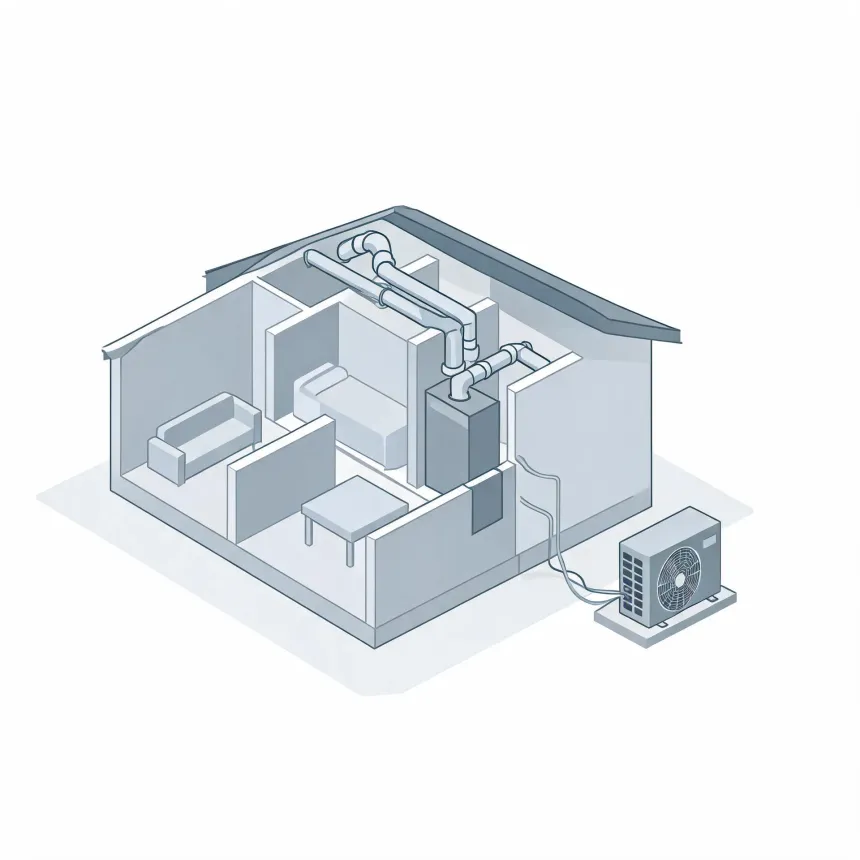
- An air conditioner only moves heat out of your home. A heat pump does that too, but it can also run in reverse and move heat into your home, which is what heats the house in winter. Mechanically they're close cousins, both using a compressor and refrigerant, and the heat pump adds a reversing valve that lets it switch directions. That's why a heat pump can replace both your furnace and your air conditioner, while an air conditioner only ever replaces the furnace's summer job.
- Does a heat pump work in cold weather?
- Yes. A heat pump pulls heat from outside air even when it's cold outside, because there's still heat in air well below freezing. Winter nights here average 35°F, a temperature heat pumps handle well without much drop in output. Every heat pump has a point where it runs out of heat to pull, but for this area's winters that point is rarely an issue. A contractor sizing the system for your house will account for how cold it actually gets here.