Heat Pump Repair in Vancouver, WA
Homes here need heat from October through June and cooling from August through August. If your system quits, tell us what it's doing and a licensed contractor who covers Clark County will get in touch.
Tell us about the job
It takes about a minute.
Your heat pump runs nearly all year here
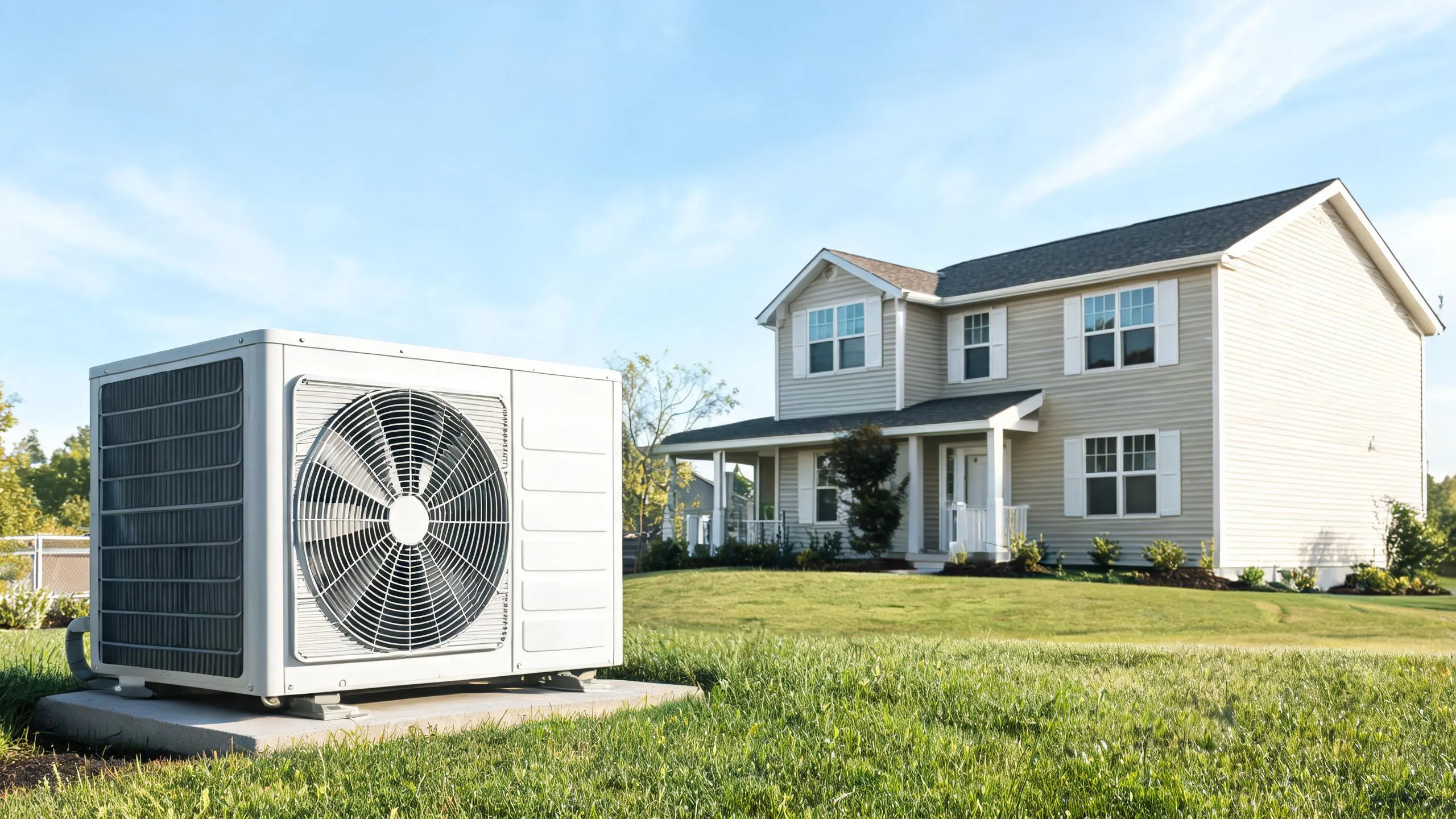
In Vancouver, a heat pump works from October through June. That is nine months of the year carrying the load, then it switches over for the one month of summer cooling. There is almost no season where it sits idle.
Winter nights average 35°F, which is right in the range where a heat pump has to run long defrost cycles to keep ice off the outdoor coil. Every defrost cycle is a strain on the reversing valve and the defrost control board, and those are the parts that tend to fail after years of this. When the reversing valve sticks, the system blows cold air when it should be heating, or it never switches back after defrosting. Most homes here heat with electricity, so when the heat pump falters, there is no backup warming the house while it waits on a repair.
- 9 months
- October through June, your system heats
- 1 months
- August through August, it cools
- 35°F
- the average winter night it heats against
- 77°F
- the average summer afternoon it cools against
NOAA nClimDiv, 1991–2020 normals
Washington requires contractors to register with the state.
That registration puts the business on file with the Department of Labor and Industries. It is a record that the business exists, not a test of anyone's skill. No trade exam stands behind it, and no license is issued.
For a heat pump repair, the thing that actually governs the skill involved is federal. Anyone opening the refrigerant lines on your heat pump has to hold EPA Section 608 certification, the same rule in every state. That covers the refrigerant side of the job. Washington's registration covers the business behind the technician, not the work itself.
Source: Washington State Legislature
- Why is my heat pump blowing cold air?
- In heating mode, air from the vents is naturally cooler than your body temperature, so it can feel cold even when it's working right. If the air is actually cold and the house isn't warming up, check your thermostat is set to heat, not fan only. A frozen outdoor unit, a low refrigerant charge, or a failed reversing valve will also cause this, and those need a licensed contractor to check.
- Why is there ice on my heat pump?
- Some frost on the outdoor unit in winter is normal. Heat pumps run a defrost cycle on their own to clear it, melting the ice every hour or so during cold weather. If the coil is coated in thick ice that doesn't clear within an hour, or ice is building up on the ground around the unit, the defrost control, a fan motor, or airflow through the coil may be at fault, and that calls for a contractor to look at it.
- Why is my heat pump running but not cooling?
- If the outdoor unit is running but the house isn't cooling, start with the filter. A clogged filter cuts off airflow across the indoor coil and stops the system from pulling heat out of the house. If the filter is clean and you still get no cooling, the refrigerant charge or the reversing valve may be at fault. Only a technician certified under EPA Section 608 can open the refrigerant side to check that.