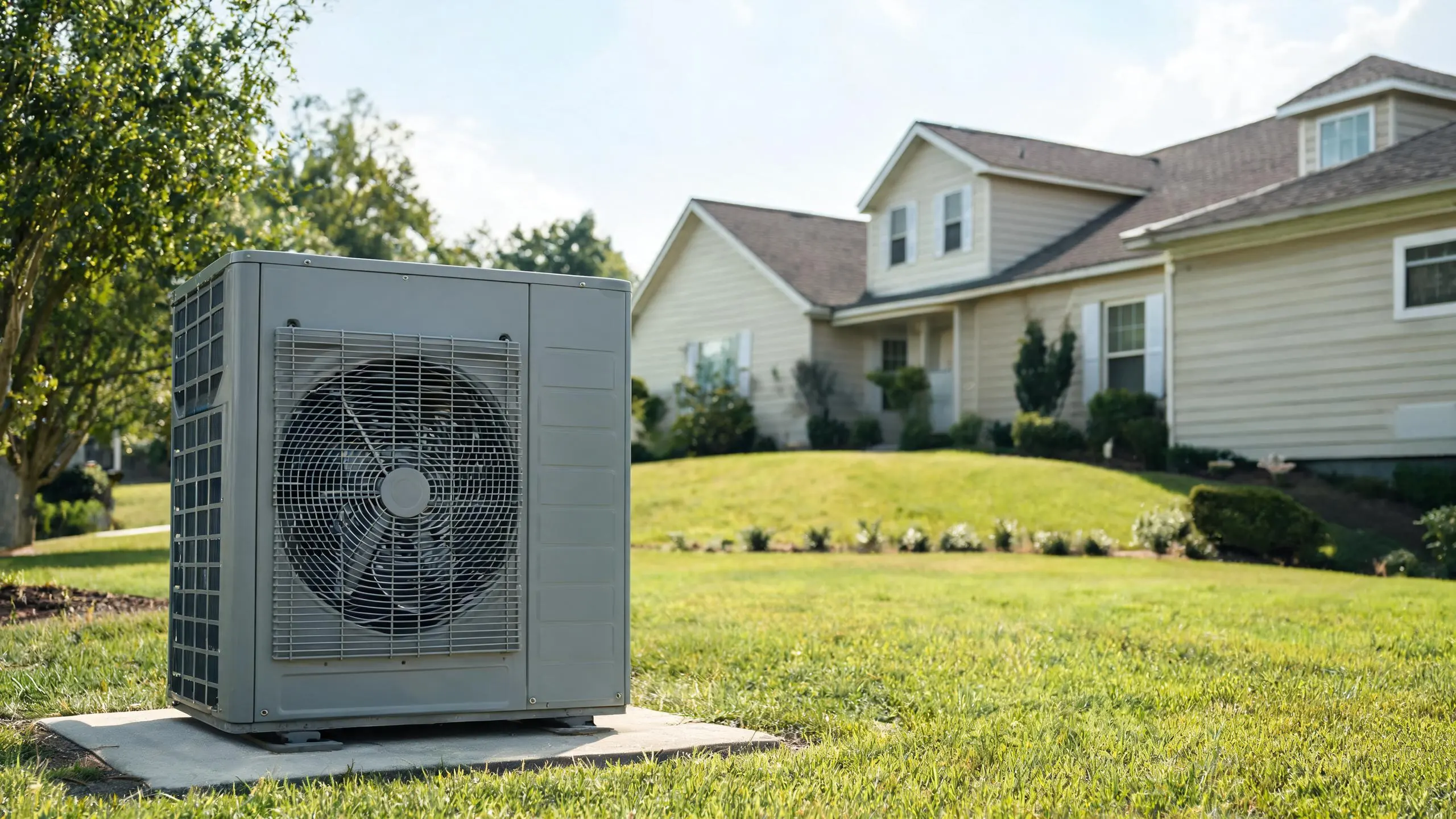
Heat Pump Installation in Longview, WA
Tell us about the house, and a licensed contractor who covers Cowlitz County will get in touch.
Tell us about the job
It takes about a minute.
Ten months of work a year, and almost no cooling
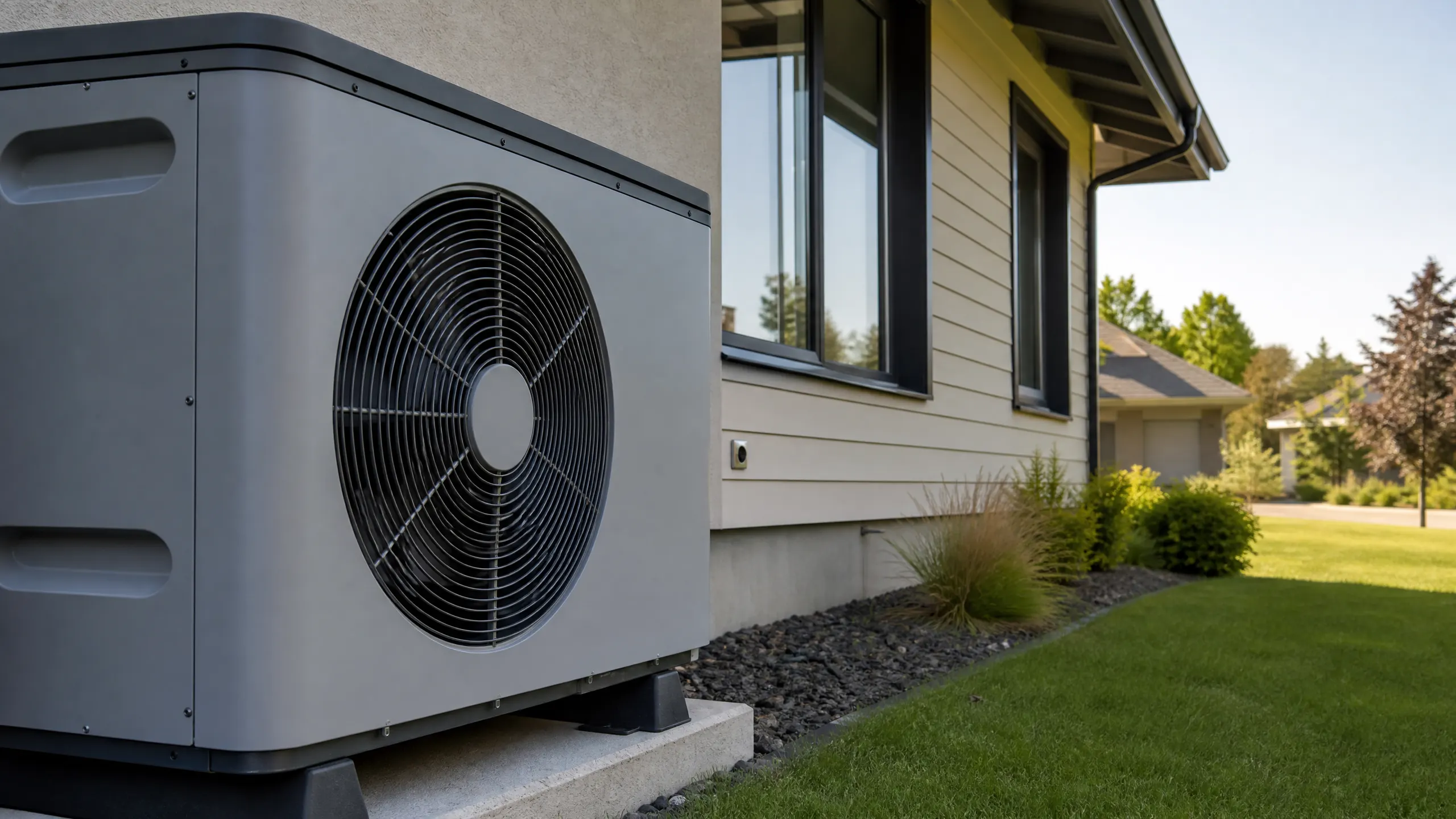
Longview asks a heat pump to heat, not cool. Homes here need warmth September through June, ten months of the year, and summer afternoons average just 74°F, so the compressor barely runs in cooling mode. Winter is the real job. Nights average 33°F from December through February, and the unit has to hold that line for months at a stretch.
Most homes in Cowlitz County heat with electricity, so when a storm knocks out power, the heat goes with it. The area has logged 6 winter storms and 5 damaging wind events over the past ten years, and across Washington almost a quarter of households lost power for at least a day in 2024. A new heat pump here has to be sized for a long, cold season, not a mild one, and if it is a split system built in 2023 or later, it has to meet federal minimums of 14.3 SEER2 and 7.5 HSPF2.
- 10 months
- September through June, your system heats
- 33°F
- the average winter night it heats against
- 74°F
- the average summer afternoon it cools against
Washington requires contractors to register with the state.
Registration means the contractor's business is on file with the Department of Labor and Industries. Nobody tested their work to get that number. It tells you the business is registered to operate in the state, and that is what it tells you.
Since Washington doesn't test or license heat pump contractors, the check on this job comes from the local building office. Installing a heat pump needs a permit in most cities and counties, and an inspector looks at the finished work before it's signed off. That permit and that inspection are what stand behind this installation, not the registration number.
Source: Washington State Legislature
- Is a heat pump better than a furnace?
- A heat pump does both jobs a furnace can't, since it cools your home in summer as well as heats it in winter. A furnace only burns gas or uses electric resistance to make heat, so you'd still need a separate air conditioner alongside it. Most homes here run on electric heat already, and a heat pump moves that heat instead of generating it, which is a different way of getting warmth into the house. Whether it's the better choice for your home depends on your ductwork, your electrical panel and how the house is built, and a contractor can walk through that with you.
- What's the difference between a heat pump and an air conditioner?
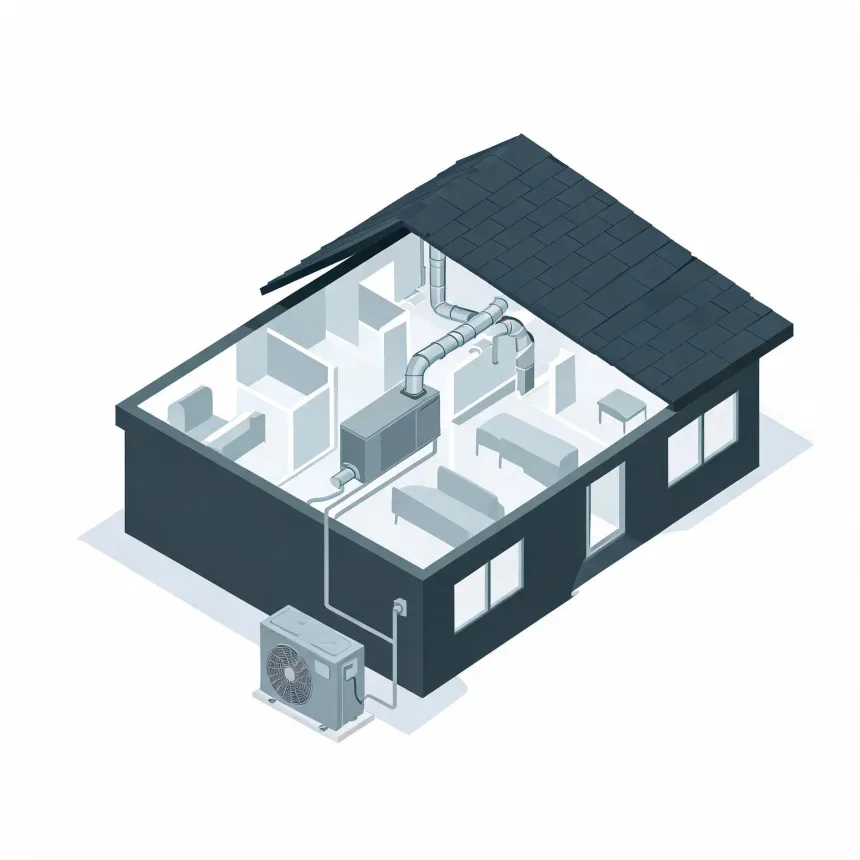
- An air conditioner only moves heat out of your house. A heat pump does the same thing in summer, then reverses in winter and moves heat into the house instead. The parts inside are almost identical, a compressor, a coil outside, a coil inside, but the heat pump has a reversing valve that lets it run backward. That's why a heat pump can replace both your furnace and your air conditioner, while a standalone air conditioner only ever cools.
- Does a heat pump work in cold weather?
- Yes, a heat pump pulls heat from outside air even when it's cold, down well below freezing. Winter nights here average 33°F, and a properly sized heat pump handles that range without trouble. As the outdoor temperature drops further, the heat pump has to work harder to pull heat from the air, so some homes pair it with a backup heat source for the coldest stretches. A contractor can size the system to your house and tell you whether backup heat makes sense here.