Heat Pump Repair in Longview, WA
If your system quits, tell us what it's doing and a licensed contractor who covers Cowlitz County will get in touch.
Tell us about the job
It takes about a minute.
Your heat pump works nearly year round here
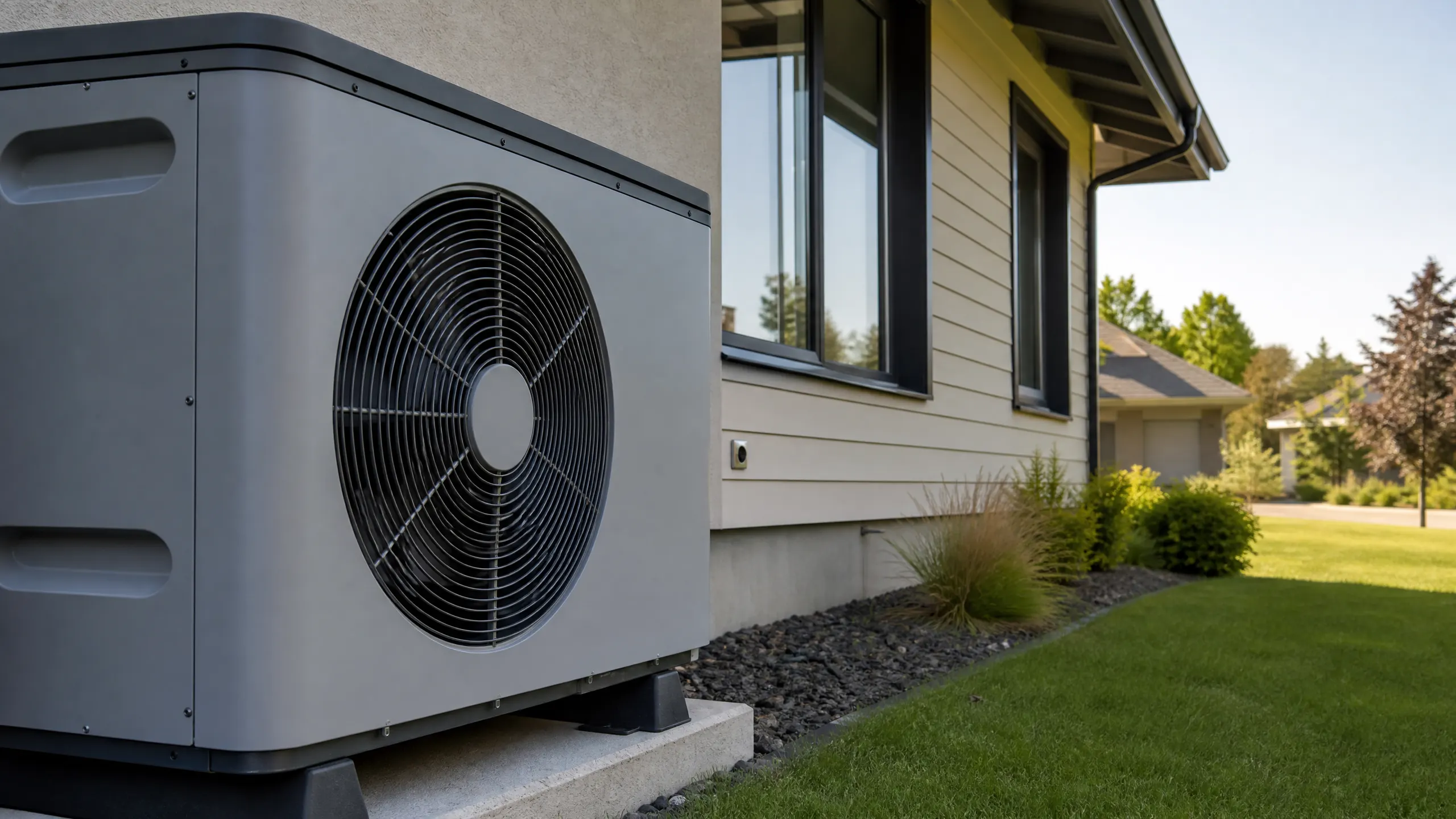
In Longview your heat pump runs from September through June, ten months of the year. Winter nights average 33°F, so most of that time it is in heating mode, running long hours to keep the house warm.
That much run time wears on the reversing valve and the defrost control, the parts that switch it between heating and cooling and clear ice off the outdoor unit. When one starts to fail, you will see frost building up on the outdoor unit or feel air coming out that is not warm even though the system is running. Cowlitz County has had 6 winter storms and 5 damaging wind events over the past ten years, and 86.1% of homes here heat with electricity, so a power outage means the heat stops too.
- 10 months
- September through June, your system heats
- 33°F
- the average winter night it heats against
- 74°F
- the average summer afternoon it cools against
Washington requires contractors to register with the state.
Registration means the business is on file with the Department of Labor and Industries and carries the bond and insurance the state requires. It does not mean anyone tested the contractor's trade knowledge, and Washington does not license heat pump contractors the way some states do. The registration number confirms the business is legitimate and on record, nothing more.
Since a heat pump repair means someone is opening the refrigerant side of the system, the technician doing that work needs EPA Section 608 certification. That requirement comes from federal law and applies in every state, regardless of what Washington does or does not require. It is the credential that actually speaks to whether the person working on your refrigerant lines was trained to do it safely.
Source: Washington State Legislature
- Why is my heat pump blowing cold air?
- In heat mode, air from the vents is warm compared to the room but cooler than what a furnace puts out, so it can feel cold even when it's working right. If the air is actually cold with the thermostat calling for heat, the problem is usually low refrigerant, a failed reversing valve, or the outdoor unit not running at all. With winter lows here averaging 33°F, a heat pump stuck in the wrong mode or losing refrigerant won't keep up with the house. A contractor needs to check the refrigerant charge and confirm the reversing valve is switching properly.
- Why is there ice on my heat pump?
- A heat pump builds frost during normal winter operation and runs a defrost cycle to clear it, so some ice is expected. If the coil is heavily iced or stays iced after the unit should have defrosted, something is keeping it from clearing, often a failed defrost control, a stuck reversing valve, or low airflow across the coil. Low refrigerant charge can also cause the coil to run too cold and ice up faster than the defrost cycle can handle. A contractor needs to check the defrost board and refrigerant level to find which one it is.
- Why is my heat pump running but not cooling?
- If the outdoor unit and indoor blower are both running but the air isn't cool, the most common causes are low refrigerant, a dirty outdoor coil, or a failing compressor. A clogged filter can also cut off airflow enough that the system can't move heat properly, even though everything is turning on. A contractor needs to check refrigerant pressures and airflow to find the cause.