Is a clogged dryer vent a fire risk in Washington

A square stainless steel wall vent hood with a hinged flap cover and a round mesh-screened duct opening, shown centered against a plain light gray background.
Find a dryer vent pro

Is a clogged dryer vent a fire risk in Washington

You run a load of laundry and notice the dryer is taking longer than it used to, or the outside vent flap barely moves when it's running. Maybe you've never had the vent cleaned since you moved in. With electricity being how most homes here heat, the dryer is already one of the harder-working appliances in the house, and that's enough to make you wonder if a clogged vent is just an inconvenience or something more serious.

Yes, a clogged dryer vent is a real fire risk

Lint is dry and burns fast, and it collects wherever airflow slows down, usually inside the vent run rather than just the trap. When a clog builds up, the dryer has to push air against more resistance, so the heating element or burner runs hotter and longer to finish a load. That heat has nowhere to go if the vent is blocked, and it's what starts vent fires. This isn't tied to the climate here. It happens in dry houses and damp ones alike, because it's about the lint and the airflow, not the weather outside. A dryer that runs noticeably longer than it used to, or a vent hood flap that stays shut when the dryer is on, are both signs worth paying attention to.

An older man with gray hair, a dark coat and scarf dusted with snow stands in a warmly lit entryway with an open wooden door, a table lamp, framed pictures, and a plant in a vase.
An older man with gray hair and a beard wearing a dark snow-dusted coat stands in a home entryway, with a lamp-lit living room and a wooden staircase behind him.
An older man with gray hair and a beard, wearing a dark snow-dusted coat, stands in a warmly lit home entryway with a hallway, console table with lamp, patterned rug, and living room visible behind him.
A gray-haired bearded man in a dark snow-dusted coat and scarf stands inside a dimly lit home entryway, with a hallway, framed picture, lit table lamp and staircase behind him.

Clogged Vent vs Clean Vent

Clogged Vent

  • Lint is the fuel. It builds up in the duct and around the outside flap until the dryer is pushing heat into a space packed with it.
  • A dryer running hot because airflow is blocked makes the heating element or burner work longer on every single load.
  • Electric dryers are what most homes here run, and a restricted vent still forces that heating element to stay on longer to dry the same load.
  • A flap that barely moves when the dryer is running usually means the air isn't making it outside, it's backing up somewhere in the duct.
  • Drying times that stretch longer than they used to are the dryer telling you the vent isn't clearing the way it should.
  • Lint that collects near the vent hood outside can trap heat right at the point where the exhaust meets open air.

Clean Vent

  • Air that moves freely out the vent carries the heat and moisture with it instead of letting either build up in the duct.
  • A dryer that isn't fighting a blocked vent cycles off when the load is actually dry, not just when you finally give up and check it.
  • The outside flap opens and closes with each cycle when there's nothing packed behind it holding it shut.
  • With power cheap here, a dryer that isn't straining against a clog still uses less of it to finish the same load.
  • A technician who clears vents regularly knows where lint tends to pack tightest, usually at bends in the duct and right behind the outside hood.
  • A vent cleared out now stays that way for a while, so the next few months of laundry don't rebuild the same risk.
A white hooded exterior vent cover with a louvered underside, screwed to beige horizontal lap siding above a lighter stucco lower wall.

Clear vent, open flap

Air pushes the louvers open with every cycle and the flap closes again once the dryer shuts off. No lint sits in the opening. The duct behind it is doing its job, moving hot moist air straight outside instead of holding onto it.

A beige plastic dryer vent hood mounted on horizontal vinyl siding, with clumps of gray lint protruding from the open flap.

Flap packed with lint

Lint is pushing out past the louvers because there's nowhere left inside the duct to hold it. The flap can't close all the way anymore. Every load from here on is forcing heat against that buildup instead of venting past it.

A woman stands in the open doorway of a white stucco house holding the dark door, facing a man in a black cap and shirt seen from behind in the blurred foreground, with a potted flowering plant beside the entry.

What a clogged vent costs you at home

Every load you run adds a little more lint to the duct. You might not see it happening. What you notice is the dryer running a second cycle for clothes that used to come out dry the first time, or the top of the machine feeling hot to the touch. That's the dryer working against a blocked vent, and it's also the point where lint has had time to build up enough to matter. Electricity is cheap here, so the extra running time may not jump out at you on the bill, which is part of why vents go years between cleanings in homes where everything else is kept up.

A vent cleaning puts eyes and tools where you can't see, from the duct behind the machine to the flap outside the house. Rather than guessing at how bad it's gotten, a licensed contractor local to your area who clears these vents regularly can tell you from the buildup itself how long it's been and what shape the rest of the duct run is in. You'd be matched with one contractor, not several, so you're dealing with one person who already knows what to look for in a Washington home.

A gray upholstered sofa with a beige cushion and knit blanket beside a curtained window, with a white mug and a book on a dark wooden table in the foreground and a lit lamp in the background.
  1. Lint collects inside the duct with every load you run.

  2. Airflow slows, so heat and moisture stay trapped inside.

  3. The dryer runs hotter and longer to finish drying.

  4. Trapped heat can ignite the lint built up in the duct.

A woman wrapped in a thick wool blanket sits in an armchair with an open book on her lap, beside a lit lamp and a frost-patterned window.
A woman in a cream knit sweater sits in an armchair with her eyes closed and head tilted back, beside a window showing orange autumn foliage and a wooden side table with a mug.

A pro who works on dryer vents

A dryer vent doesn't give you much warning before it becomes a real hazard. It just runs a little longer each month, pushes a little more heat into a duct that can't breathe, until the lint sitting in there has enough heat to catch. You don't need to know how bad yours is to get it checked. What you need is someone who opens up a lot of vents in Washington homes and knows the difference between a duct that's slow and one that's dangerous, someone who can look at your setup and tell you where you actually stand. That's one local contractor, matched to your request, not a handful of companies competing for your callback. You keep running loads through a vent you haven't looked at in years, or you find out this week what's actually built up in there. One of those ends with someone checking it before the lint does what lint does when it gets hot enough.

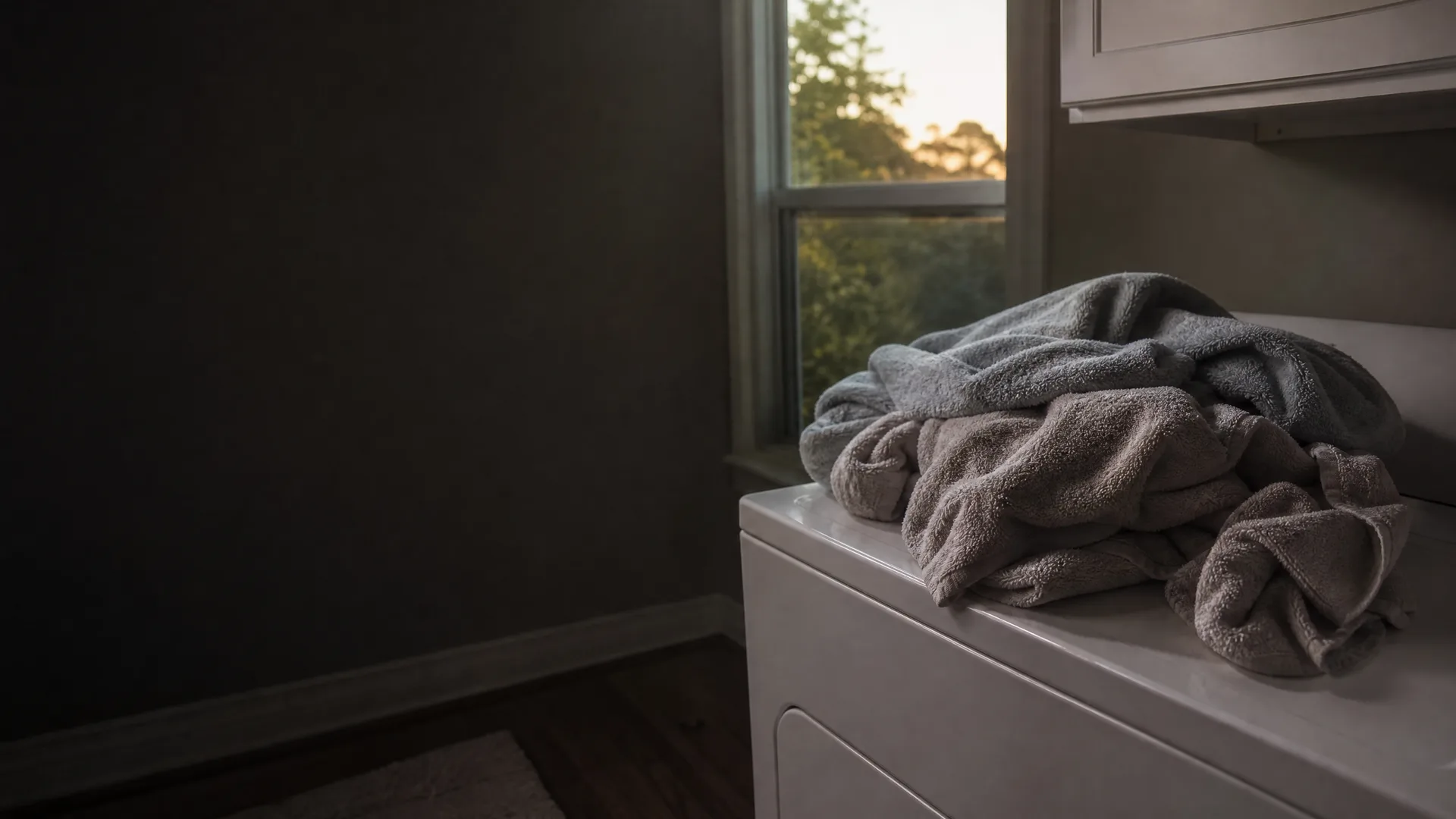
A pile of gray and taupe towels sits on top of a white laundry appliance in a dim room beside a window with trees and sunlight outside.

It's a little past six and you're pulling a load of towels out of the dryer, except they're not done, still heavy and damp at the folds. You set them on top of the machine and go to start another cycle, figuring you'll just run them again. The laundry room's warm, warmer than it should be for how little the dryer's actually drying. You open the little door behind the machine out of habit more than anything, and notice how long it's been since anyone checked what's back there. The towels sit in a heap, waiting on a second cycle that'll probably leave them just as damp as the first.


Power costs 13.17 cents per kilowatt-hour statewide

Electric dryers run on it here, and a clogged vent means every load pulls more of it than it should. The heating element stays on longer trying to push air through a blocked duct, so you're paying for cycles that run hot and long instead of drying clothes the first time through.

EIA-861 2025 statewide residential average

A metal hooded dryer vent with a louvered opening mounted on beige horizontal lap siding above a concrete foundation wall.

Clear and venting properly

This is what a vent cap looks like when the duct behind it is clean. Mounted flush to the siding, screws tight, nothing blocking the opening. Air from the dryer pushes straight out through it on every cycle, carrying the heat and moisture with it instead of leaving either one behind in the duct.

A white hooded dryer vent mounted on horizontal lap siding, with a thick mass of gray lint clogging the opening beneath the hood.

Clogged and holding heat

This cap can't close. Gray lint has packed in behind the flap until it props the cover open on its own, with no cycle running. That buildup didn't arrive in one load. It's a duct that's been catching lint for a while, trapping the dryer's heat right where the fuel is.

A clogged dryer vent is a fire risk, and the longer it goes uncleaned, the closer your dryer gets to that point. The fix isn't complicated. Someone who clears vents in homes around Washington every week knows what a duct looks like when it's six months overdue versus six years, and what's usually stuck in the elbow or caught at the cap. You'd get matched with one licensed local contractor who takes on the job, not a handful of companies competing for your callback, just the person who's going to come look at your vent and tell you straight what's in there. Your dryer will tell you something is wrong before most people notice. Longer cycles, a hot top panel, a flap that barely lifts. You already know what to check. What happens next is just getting someone out to clear it before that lint has the chance to catch.

A single-story stone-clad house with low-voltage path lights along a gravel bed and lawn at dusk, with a tree line and orange sky on the horizon.

Dryer Vent Cleaning

Get your dryer vent to the right pro

Duct and vent cleaningWashington
Step 1 of 3

What kind of equipment?

  • A beige upholstered armchair with a cushion and knit throw sits beside a double-hung window with a woven shade, next to a white fireplace mantel with a lit fire, a vase of greenery, and a round wooden table in the foreground.
    • Say what's going on with your dryer vent, and a pro who works on them reaches out.
    • A local pro who knows dryer vents gets your details and gets in touch.
  • A shallow speckled beige ceramic bowl holding a leafy green branch sits on a wooden dresser beside a tall matte stoneware vase, with a window at left and a dark-framed picture at right.
    • One request and the dryer vent cleaning stops waiting on you.
    • Send the form and the dryer vent cleaning stops sitting on your list.
  • A ceramic table lamp with a pale tapered fabric shade sits on a rustic wooden table beside a wooden bowl, with a framed artwork on the beige wall and sunlight from a window at left.
    • Skip calling around for someone who cleans dryer vents.
    • Answer a few questions about the dryer vent cleaning and skip the search.
  • A black box-shaped outdoor wall lantern with seeded glass panels and a lit filament bulb mounted on a light gray board-and-batten exterior wall, beside a dark-framed glass door, with green leafy shrubs in the foreground.
    • The pro who reaches out is licensed in Washington.
    • Only one pro gets your request, so you hear from one company.