







Why your heat pump bill is high in Washington summers

RepairHeat PumpWashington
Step 1 of 2

What ZIP code is the job in?

Why is my heat pump bill so high in summer?

Summers here are mild, nothing like the heat other parts of the country deal with, so a high bill catches you off guard. You expect the big jump in winter when the heat pump is working hard to keep everyone warm. Seeing it spike in July or August feels wrong, especially when you're not running the thing nearly as much. Something is making it work harder than it should for weather this easy.

Your heat pump is running longer than it needs to for mild weather

A heat pump cooling a Washington home in July shouldn't run much, since the air outside isn't that hot to begin with. If the bill is high anyway, the system is working harder than the weather calls for. That usually means it's losing cooled air somewhere, pulling in air it already cooled back through a dirty filter, or running low on refrigerant, so it has to stay on longer to reach the temperature on the thermostat. Power here is cheap, so when the bill still jumps, the system itself is using more of it than the mild air outside should require. The extra runtime is the cost, not the weather.

A gray outdoor air conditioner condenser unit on a concrete pad beside a house with horizontal siding and an electrical disconnect box, surrounded by grass.

Why it struggles in mild heat

A heat pump cooling your home in Washington summers should barely notice the work. The outdoor air is mild, so the unit isn't fighting much to pull heat out of your house. If the bill is high anyway, something is making the system run longer than it should to get the same result, like a dirty coil, a low charge, or a blower that isn't moving enough air.

A white outdoor heat pump unit on a concrete pad beside a house with horizontal lap siding, with a plain light wall and grass lawn to the left.

What a stuck defrost cycle costs

Heat pumps occasionally reverse to defrost the outdoor coil, a process that normally takes a few minutes. If a sensor or control board is failing, the unit can get stuck running that cycle too often or too long, pulling extra power without actually cooling your home. You won't see this happening. You'll just see it on the bill.

Normal Bill vs High Bill

Normal Summer Bill

  • The outdoor coil stays clean enough that the unit pulls heat out of your house without straining, so the compressor doesn't run long stretches.
  • Mild air outside means short cycles, the system reaches the set temperature and shuts off instead of running most of the afternoon.
  • Airflow through the filter and ducts moves freely, so the heat pump isn't working to push air past something blocking it.
  • The refrigerant charge is correct, so the unit moves heat efficiently instead of running longer to make up for a weak charge.
  • You notice the system cycling on and off a few times an hour rather than running continuously through the day.

High Summer Bill

  • A dirty outdoor coil makes the compressor work harder to move the same amount of heat, and it shows up as longer run times.
  • A low refrigerant charge means the unit can't move heat efficiently, so it runs longer to reach the same indoor temperature.
  • A clogged filter or blocked return restricts airflow, forcing the blower motor to run longer to push air through the house.
  • A failing capacitor or a weak contactor can keep the compressor running past when it should shut off, pulling power the whole time.
  • You notice the system running almost continuously even on a mild afternoon, or struggling to keep up at all.
  • Ice forming on the outdoor unit or warm air from the vents points to something making the system run far longer than it should.
  1. The outdoor coil gets coated in dirt and loses its grip on the air.

  2. A dirty or low-flow filter chokes the air moving across the indoor coil.

  3. The compressor runs longer cycles trying to reach the set temperature.

  4. Low refrigerant charge forces the compressor to run almost nonstop.

A woman with dark hair in a bun wearing a cream knit sweater sits on a gray sofa in a bright living room, looking off to the side.
A woman wrapped in a knit blanket sits on a gray sofa in a living room, looking toward a bright window with houseplants and an armchair in the background.
A woman in a gray cowl-neck sweater sits on a light sofa with cushions, smiling and looking to the side, with a kitchen and window visible behind her.
A woman with dark hair in a bun, wearing a light linen shirt, sits on a sofa and looks to the side, with a window, houseplants and a kitchen with pendant lights blurred behind her.
An outdoor condenser unit on a concrete pad beside a gray lap-sided house, with an electrical disconnect box and conduit on the wall and shrubs with mulch to the right.

Running the way it should

This is a unit moving heat out of your house without a fight. The coil is clean, the lines run clear to the disconnect, and nothing around it blocks airflow. In mild Washington air, a heat pump in this shape cools the house and shuts off.


An outdoor air conditioner condenser unit on a concrete pad beside a house with horizontal vinyl siding, with refrigerant lines and an electrical disconnect box on the wall and dry leaves on the ground.

Working harder than it should

Dirty coil fins and leaves piled against the base choke the airflow this unit needs to let go of heat. It has to run longer to do the same job, and longer runtime on cheap power still shows up as a bill that doesn't match a mild summer.

An older woman with short gray hair in a cream cable-knit turtleneck sweater smiles while looking to the side in a wooden kitchen, with a round loaf of bread on a board in the foreground and a lit candle by a dark window.
A woman and a child wrapped together in a knitted gray blanket on a couch, with the child's head resting on her shoulder and a lit table lamp and houseplant in the background.
A gray outdoor condenser unit of an air conditioner or heat pump sits on a concrete pad beside a house with horizontal lap siding, with a wall-mounted disconnect box and conduit above it, mulched beds, shrubs and grass nearby.

A pro who works on heat pumps

Explain the job once and skip repeating it on every call.

A local pro who knows heat pumps gets your details and gets in touch.

Connect with a pro

No charge to send it. You decide if you hire them.

Is your house not cooling evenly anymore?

Walk through the house and check which rooms feel right and which don't. A bedroom that stays warm while the living room is fine, a thermostat that says it hit the set temperature but the air coming out doesn't feel cold, a unit outside that runs long stretches even on a mild afternoon. You might hear it cycling on more than it used to, or notice it just doesn't shut off for a while. None of that is normal for a heat pump working in Washington's mild summer air. Left alone, the parts working harder than they should wear out faster, and the people counting on that house staying comfortable feel it first in the rooms farthest from the thermostat.

A gray outdoor condenser unit on a concrete pad beside a light-green sided house, surrounded by mulch, ornamental grasses and a shrub, with mowed lawn in the foreground.

Working the way it should

This condenser sits clear of the siding with mulch and grass around it, nothing blocking the sides or the top. Air moves through the coil and out the other end without fighting its way past leaves or a fence board. A unit kept clear like this holds its charge and its coil stays reachable when it needs a look.

An outdoor condenser unit on a concrete pad beside a horizontal-sided house, with insulated refrigerant lines running to a wall-mounted box, surrounded by bare dirt.

Struggling and costing you

This one shows its age, the cabinet weathered, the conduit worn where it feeds into the disconnect box. A coil this old has had more chances to pick up grime nobody's wiped off. The compressor inside is working longer to do what a newer, cleaner unit does in less time, and that shows up on your bill.

An outdoor air conditioner condenser unit on a concrete pad beside a house with horizontal siding above a concrete block foundation, with insulated refrigerant lines and a vertical white pipe on the wall.
Before you get your heat pump repair
A gray outdoor heat pump unit on a concrete pad beside a house with horizontal lap siding, connected by conduit and a flexible line to a wall-mounted disconnect box, with low shrubs and mulch nearby.
After you get your heat pump repair

Letting it ride until fall

You keep the thermostat where it's always been and figure the bill is just what summer costs now. Nothing about the house changes, so nothing about the bill does either. If the cause is a dirty coil or a low charge, the unit keeps working harder than it should every single day it runs, and that shows up on next month's bill too. Meanwhile you're calling around on your own time, explaining the same thing to each contractor, trying to sort quotes that don't line up. The inconvenience doesn't go away. It just sits there with you.

Getting it looked at now

You get matched with a contractor who knows heat pumps in Washington summers and they reach out to you directly. No more searching, no more calling three places and repeating yourself each time, no more comparing quotes you can't really judge. Someone who does this for a living looks at what's actually driving your bill up, whether it's the coil, the airflow, or the charge. You still have to get the work done and pay for it, but the part that was eating your evenings, finding someone to trust, is handled.

Power costs 13.17 cents per kilowatt-hour statewide

At 13.17 cents per kilowatthour, a heat pump that's straining costs you more for the same mild air it should handle easily. A clean, properly charged unit barely moves that number. One that's working too hard turns ordinary summer air into a bill you notice.

EIA-861 2025 statewide residential average

A heat pump working against mild Washington air for a high bill means something is making it work harder than it should. A dirty coil, a choked filter, a low charge, these are things a contractor can find and fix, and once that happens the bill goes back to matching the weather outside. Right now you're carrying the cost of that, and you'd also be carrying the work of fixing it: searching for someone licensed to work on a heat pump, calling a few to see who can come out, explaining the same thing about the bill and the rooms that don't feel right to each one, then sitting with a stack of quotes trying to tell which contractor actually knows what they're doing. You already know what the house feels like and what the bill says. What you don't have is the time to chase down who can do something about it. That part can be handed off, so the only thing left for you to decide is whether the number on next month's bill is one you want to see again.

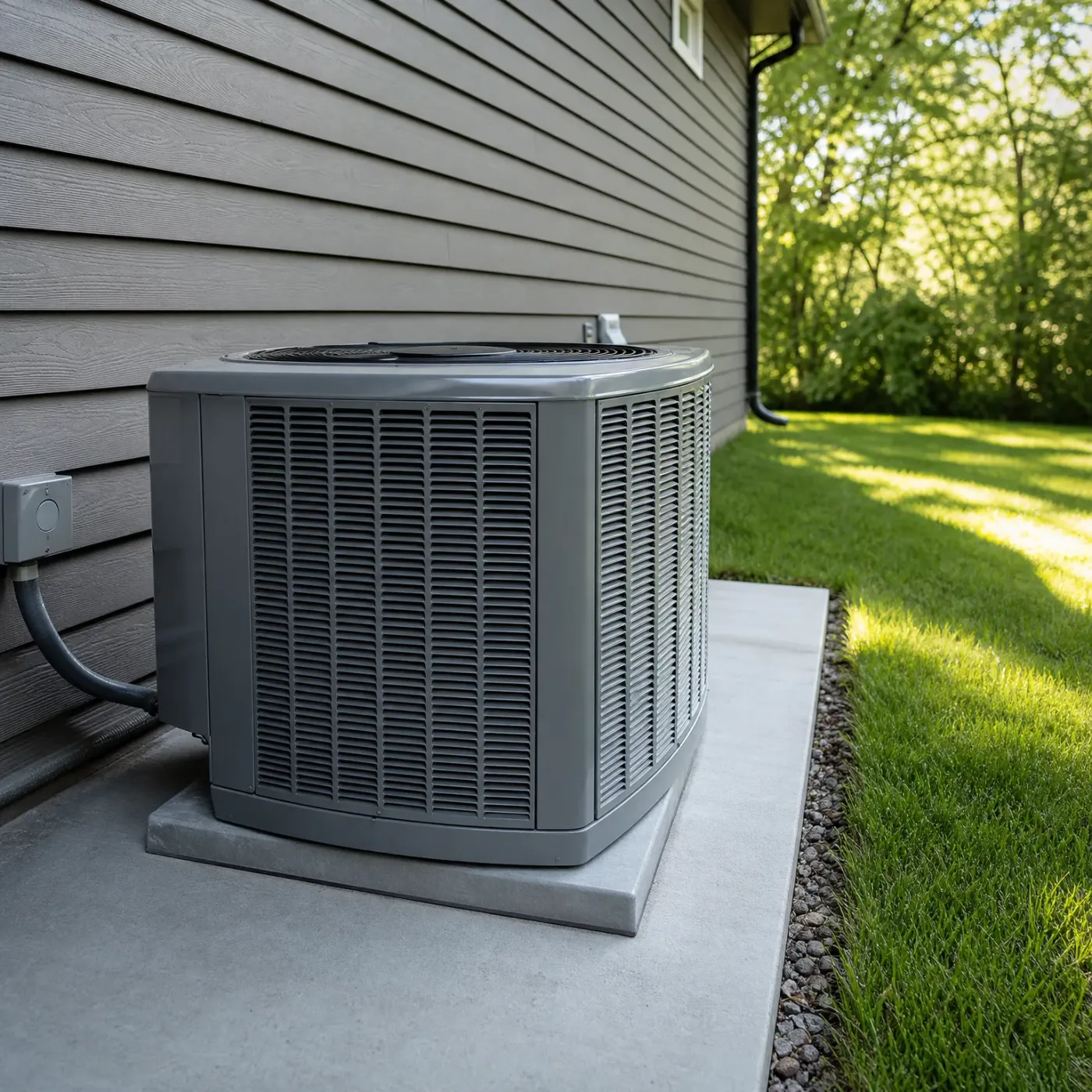
A gray outdoor air conditioner condenser unit on a concrete pad beside a house with horizontal lap siding, with an electrical disconnect box and conduit on the wall, a downspout, gravel edging and a green lawn with trees to the right.

Get your heat pump to the right pro

Find a pro near me

Skip searching for a heat pump pro and answer a few questions instead.

There's no charge for the request.