Why your house is so dusty in Washington

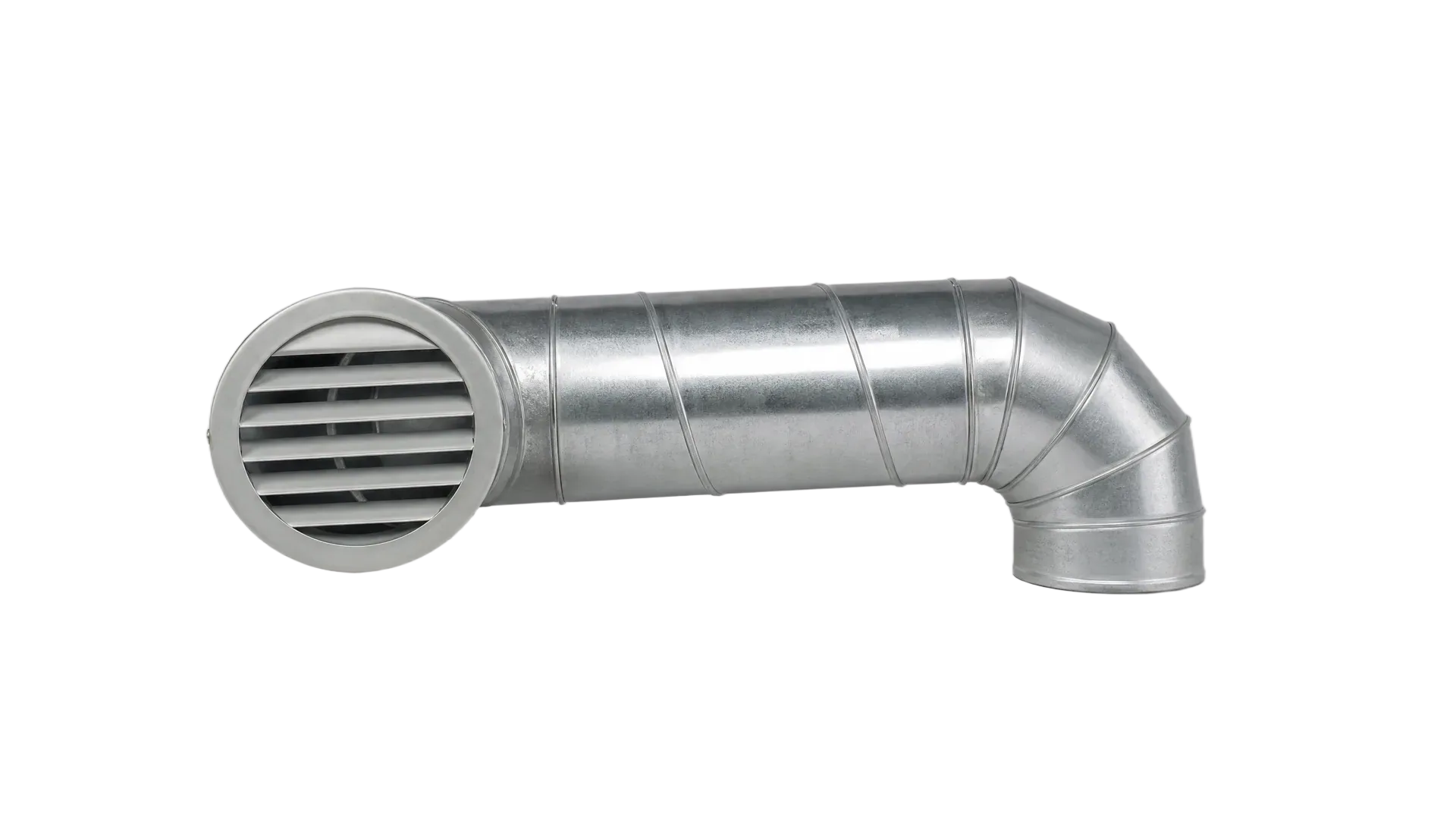
A galvanized steel round duct section with a 90-degree elbow at one end and a louvered vent grille at the other, photographed against a plain gray background.
Let a pro reach out

Why is my house so dusty all of a sudden?

You keep wiping down the same surfaces and the dust is back in a day or two. Nothing's changed that you can point to, no remodeling, no new pets, but it feels worse than it used to. With electric heat running the air through the house all winter, it's worth knowing whether this is normal or a sign something in the ductwork needs attention.

Your ducts are circulating dust the furnace isn't catching

Electric furnaces push air through the same ducts day and night, and that air picks up whatever dust has settled inside the ductwork along the way. A furnace filter catches a lot, but it doesn't clean the ducts themselves, and over time dust builds up on the inside walls of the trunk lines and branches. Every cycle stirs some of it loose and carries it back into the rooms you're trying to keep clean. This isn't about how often you dust or vacuum. If the ducts are the source, wiping surfaces only clears what already settled, not what's still coming through the vents. Since Washington homes run electric heat for much of the year, that air movement is near constant, which gives dust more chances to circulate than it would in a house that heats only occasionally.

Empty unfinished basement with bare concrete floor, insulated walls with vapor barrier between wood studs, exposed wood joists, galvanized sheet-metal ductwork, a recessed light, and a steel support column.

Ducts sealed and moving clean air

Galvanized runs like these hold their seams when they're sealed right. Air moves through them without pulling in the stuff sitting between the floor joists or drifting off the insulation batts along the wall. What comes out the vents upstairs is what went in.

Empty basement room with bare concrete walls and floor, exposed wooden floor joists overhead, large galvanized sheet-metal ducts with a vent grille, colored pipes, and a single lit bulb.

Ducts leaking dust into every room

Rectangular sheet metal joints loosen over time, and a gap along the seam pulls in whatever is in this basement air. Dust sitting on concrete, fibers from nearby insulation, all of it gets pulled through the gap and pushed out the vents upstairs.

One Cleaning or a Recurring Problem

Dust forming grid cleaning

  • Leaky returns pull air from crawlspaces and wall cavities and send that dust straight through the system into every room.
  • A crushed or disconnected duct run near a joint keeps feeding fine debris into the air stream no matter how often you vacuum.
  • Electric furnaces push air hard and often, so a dusty duct run moves more air past the leak than a system that cycles less.
  • Dust that settles behind registers and inside boots gets stirred loose again every time the blower kicks on.
  • Sealing and clearing the runs stops the source instead of leaving you to wipe the same shelf down again next week.
  • A contractor can check the return side for gaps where insulation fibers or attic dust are getting pulled in.

Dust still coming back after cleaning

  • A duct system that's sealed and sized right won't keep adding dust just because the weather changes or the heat runs more.
  • If dust returns fast after a cleaning, something upstream is still open, a loose boot, a gap at the plenum, a disconnected branch.
  • Filters only catch what passes through them, so a bypass around the filter housing lets dust skip the one thing meant to stop it.
  • Cheap power here means electric heat runs often, and a duct leak gets exercised every one of those cycles.
  • A system that holds up after cleaning means the leak got found and closed, not just the dust that had already settled.
  • Recurring dust after service is worth flagging specifically, since it points to an opening rather than normal buildup.
A smiling man in a blue denim shirt over a white tee sits at a light stone kitchen counter with a grey mug and a bowl of oranges and bananas, with pendant lights and shelving behind him.
A smiling bearded man in a grey long-sleeved shirt sits at a kitchen counter with a dark mug, with a dining table, pendant light and glass doors onto greenery behind him.
A bearded man in a dark green knit sweater smiles and looks off to the side while standing at a kitchen counter with a white mug of coffee, with open shelving, a potted tree, and a dining table near large windows behind him.
A man with dark curly hair in a dark green sweater stands smiling and looking to the side in a kitchen with white cabinets, a potted plant, a stone countertop with a ceramic mug, and a dining area with framed art in the background.
Unfinished basement with bare concrete floor and walls, exposed wood joists, large galvanized sheet-metal ductwork, PVC and copper piping, and a gray furnace unit beside wood stud framing.
Sealed runs stay tight at the joints, so the air moving through them is only ever what the furnace heated, not what's sitting in the basement.
Basement ceiling with large galvanized sheet-metal ductwork, round metal pipes and plumbing lines running beneath wood joists, above a bare concrete wall and floor.
Staining like that near the ducts points to moisture getting in, and moisture in a duct run means dust and worse riding along with the air.
  1. A tech checks every duct run for leaks at the joints and seams.

  2. A camera goes into the ducts to find cracked or disconnected sections.

  3. Each return and supply line gets cleaned of built-up dust and debris.

  4. Leaks and gaps get sealed so the furnace only moves clean air.

Power costs 13.17 cents per kilowatt-hour statewide

At 13.17 cents a kilowatt-hour, that electric furnace is already one of the cheaper lines on your bill. Leaky ducts don't change that rate, but they make the furnace push more air to keep up, and every extra cycle pulls more dust through the same gaps.

EIA-861 2025 statewide residential average

Dusty sheet-metal HVAC ducts with a rectangular vent register run beneath wooden floor joists above an empty concrete-walled basement.
Before you get your ductwork cleaning
Empty basement with bare concrete walls and floor, a small window at left, and exposed wood joists with galvanized sheet metal ductwork and pipes overhead.
After you get your ductwork cleaning

Send one request and you're done looking

Fill out one short form instead of calling around.

Sending the form costs nothing.

What the dust is telling you

  • Dust that comes back within a day usually traces to a leak or gap in the duct run, not the air in the house.
  • Sealing the joints and cleaning out what has already built up are both needed, since one without the other leaves dust coming back.
  • Electric heat in Washington homes runs the furnace fan often enough that leaky ducts pull in dust on every cycle.
  • A duct system that is sealed and clean only moves air the furnace actually heated, nothing from the crawlspace or wall cavities.
  • Finding a licensed contractor, calling around for quotes, and explaining the same problem twice is the part you can skip.

The dust coming back fast has a cause, and it's almost always the duct run, not the house itself. A gap at a joint or a crushed section near a wall cavity pulls in whatever is sitting behind it and sends that straight into your rooms every time the furnace fan kicks on. In Washington, with electric heat running the fan often, that's a lot of cycles pulling dust through the same leaks. Cleaning the ducts without sealing the gaps just means they fill back up. Sealing without cleaning leaves what's already built up in there to keep shedding into the air. Both have to happen for the dust to actually stop coming back the way it has been.

A duct system that's sealed at the joints and cleared of what's built up only ever moves air the furnace heated. Nothing from the crawlspace, nothing off the insulation batts, nothing pulled through a gap you can't see. That's the difference between wiping the same surface every day and not having to think about it.

Getting there usually means tracking down a licensed contractor, calling a few for quotes, and walking each one through the same explanation of what's going on in your ducts. That part is what you can hand off. Once the form is in, the searching and the repeat phone calls stop being yours to do.

A shingled two-story house with lit windows and stone accents at dusk, with a stone paver walkway and landscape lighting leading past ornamental grasses toward a calm bay under an orange and blue sky.

Ductwork Cleaning

Finding a pro stops being your job

Duct and vent cleaningDucts or ventsWashington
Step 1 of 2

What ZIP code is the job in?

  • A ceramic vase holding leafy green branches and a shallow wooden bowl sit on a wooden window ledge beside a sunlit window, with a cream upholstered chair and knit throw in the foreground.
    • A local pro who cleans ducts gets in touch with you.
    • Your duct cleaning request goes to a local pro who does this work.
  • Sunlit living room corner with a beige upholstered sofa, a round wooden side table holding a ceramic vase of olive branches, linen curtains at a window, a floor vent in the baseboard, and a woven jute rug on hardwood flooring.
    • After you send the request, you're done searching.
    • Send the form and the duct cleaning stops sitting on your list.
  • A wooden side table with a single drawer holds a shallow carved wood bowl and a white ceramic vase of green eucalyptus stems, beside a window and an upholstered chair draped with a cream knit throw.
    • Skip searching for a duct system pro and answer a few questions instead.
    • One form replaces the calls you'd make to find a duct system pro.
  • Corner of a house with horizontal siding, a white-framed window and stone veneer base, beside a covered entry with wooden steps, a potted plant, mulched beds of green shrubs and a flagstone path.
    • Your duct cleaning request goes to one local pro.
    • Your request stays with one local pro.