Birds nesting in a dryer vent in Everett, WA

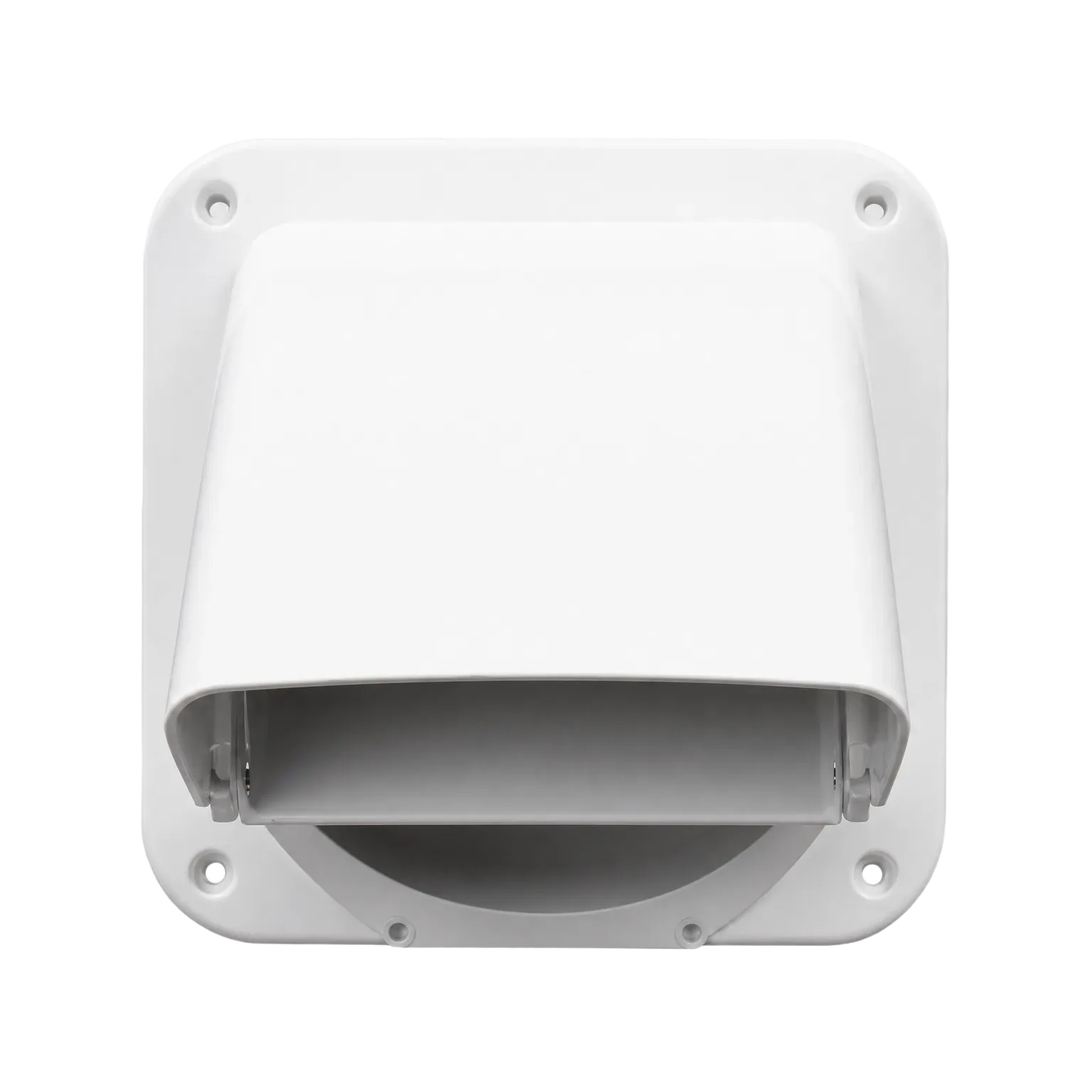
A white plastic wall vent with a square mounting flange, hooded cover, and round duct collar visible beneath, shown against a plain light gray background.
Request a pro

Can birds nest in my dryer vent?

You went outside to clean up around the dryer vent and heard chirping, or saw bits of grass and twine caught in the hood flap. Maybe the dryer is taking longer to dry a load than it used to, or you just want to know before it becomes a bigger problem. Birds build nests fast, often in a day or two, and a vent that sits unused for a stretch over the summer is an easy target.

Yes, and it happens often with vent hoods that have a weak or missing flap

Birds look for small, sheltered openings to build in, and a dryer vent hood is exactly that shape. If the flap on the outside hood is bent, stuck open, or missing its spring, a bird can push through in seconds. Spring is when this starts most, since that's when birds are nesting everywhere around Everett and the rest of Snohomish County, and a vent that goes unused for a few days is enough time for one to move in. Once nesting material packs into the duct, it blocks airflow the same way lint does, except faster and harder to clear on your own. A dryer that runs hot and slow, or one that smells like burning, can mean a nest further down the line than you can reach by hand.

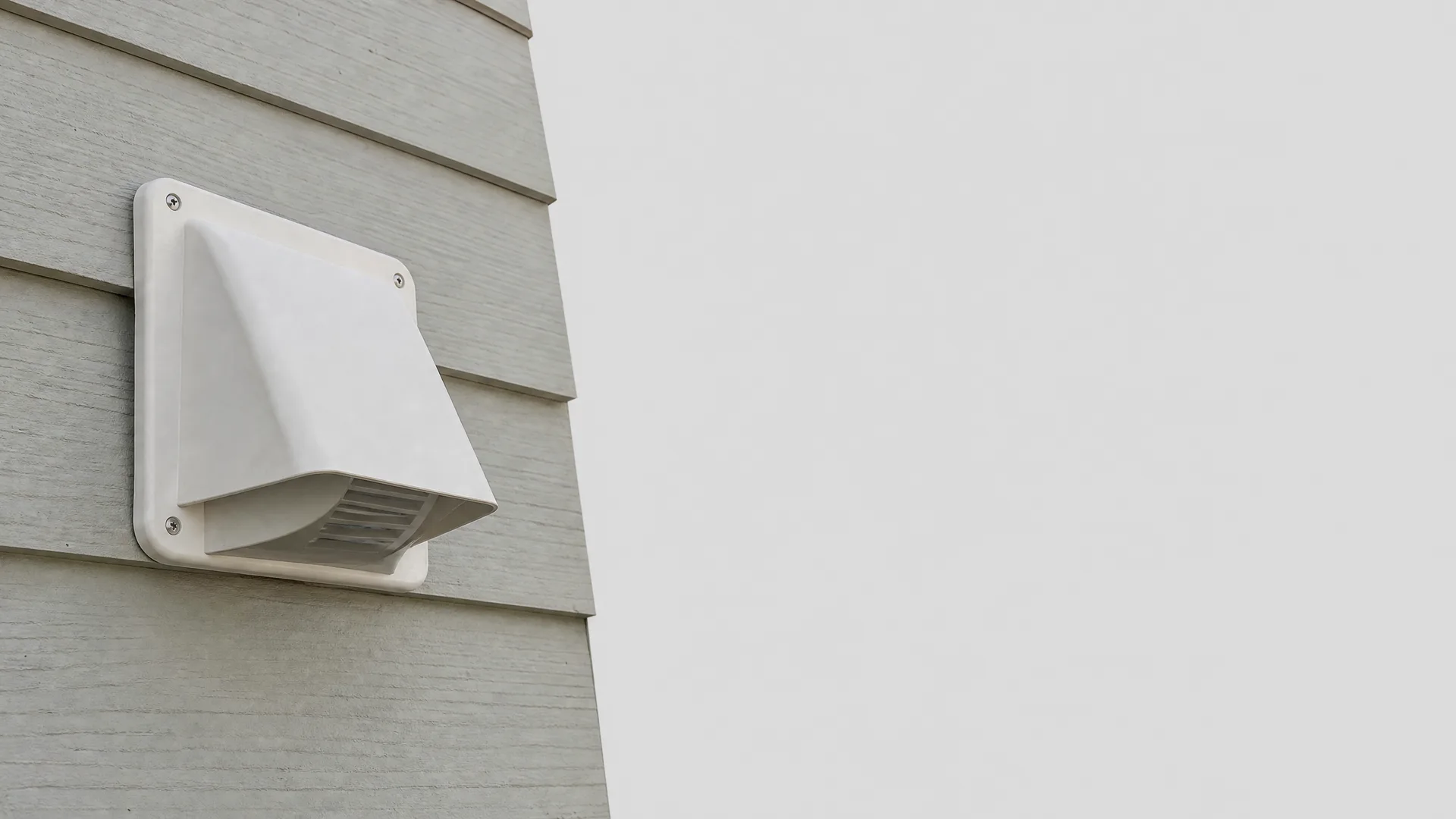
A white plastic hooded dryer vent with a louvered opening mounted on gray horizontal lap siding, beside a plain light-colored wall surface.

Why the hood flap matters

A dryer vent hood should have a flap or louvers that swing open when the dryer runs and close when it's off. If that flap is stuck open, bent, or missing, birds have a clear opening into a warm, dry tube that looks a lot like a nest box. Starlings and sparrows are the usual culprits, and they'll carry in grass, twigs, and twine over a few days until the vent is packed tight enough to block airflow.

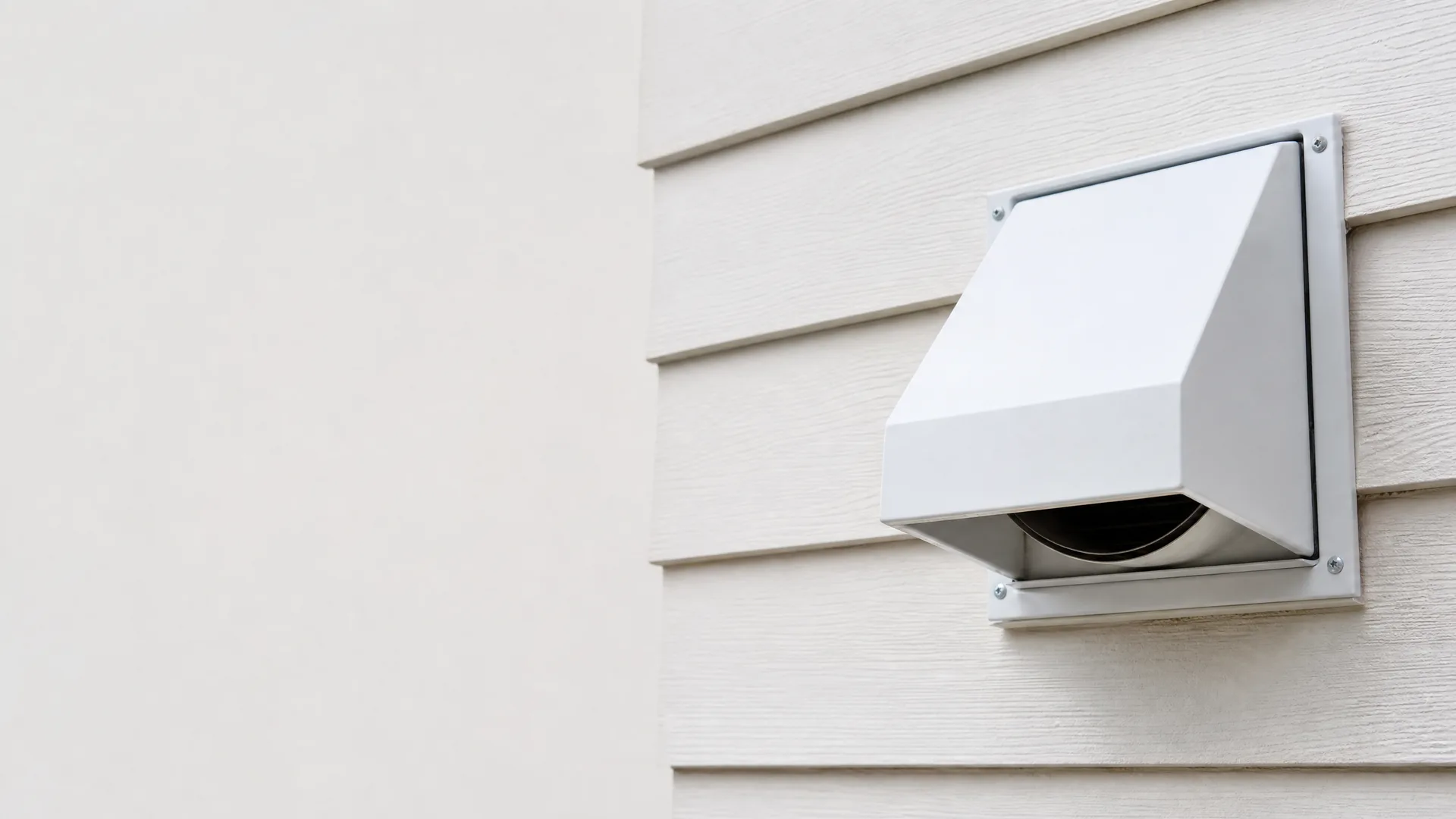
A white hooded dryer vent cover screwed to beige horizontal lap siding on an exterior house wall, with a blank wall at left.

What a blocked vent does

Your dryer pushes hot, moist air through the vent with every load. When a nest blocks that path, the air has nowhere to go, so it backs up into the duct and the dryer itself. Lint and moisture start collecting behind the clog instead of venting outside. Drying times stretch out, the dryer runs hotter than it should, and the nest material sitting inside a hot metal duct is dry kindling next to a heat source that normally has a clear path for exhaust.

What does a bird-blocked vent mean for your house?

  • 2.64 people per household on average

    With 2.64 people in the average Snohomish County household, the dryer likely runs several loads a week, giving birds plenty of warm exhaust to find and settle into.

  • Half the homes here were built by 1990

    Half the homes here were built in 1990 or earlier, and older vent hoods are more likely to have a worn or missing flap that once kept birds out.

  • Power here costs 12.70 cents per kilowatt-hour

    At 12.70 cents per kilowatt-hour, a blocked vent forcing the dryer to run longer each load adds up on the power bill until the vent is cleared.

ACS 2020-2024 · EIA-861 2025

Nesting season versus the rest of the year

Birds look for a vent in spring, when they're building nests, usually March through June. A vent that's been clear all winter can pick up a nest in a matter of days once a bird finds the opening and starts carrying material in. The rest of the year the risk is lower, but it doesn't disappear. An empty vent still smells like a cave to a bird checking it out in late summer or fall. If you've had a bird in the vent once, the old nest material left behind can draw another one back the following spring, even after the first nest is gone.


A flap that works versus one that doesn't

A hood flap that opens with the dryer's airflow and falls shut when the dryer stops gives birds almost nothing to work with. They want an opening they can get into and build in, not one that moves under them every time someone starts a load. A flap that's stuck open, bent back, or broken off is a different story. It stays open whether the dryer is running or not, and from outside it looks like any other hole in the siding. That's the one birds will investigate and the one most likely to end up with a nest inside.

An older man with gray hair and a beard, wearing a dark jacket dusted with snow, stands smiling in a dimly lit hallway with lamps and a living room visible behind him.
A gray-haired, bearded man in a dark snow-dusted coat stands smiling in a dimly lit entry hall with a staircase, a lit table lamp, a framed picture, and a living room visible through a doorway.
An older man with white hair and a beard, wearing a dark snow-dusted coat and scarf, stands in a warmly lit interior hallway with a framed landscape picture, a table lamp and a potted plant behind him, and a snowy view through a window at left.
A gray-haired, bearded man in a dark coat dusted with snow stands smiling in a dimly lit room with a lamp, mirror, framed art, and a sofa in the background.

What a nest does to your dryer

Once grass and twine pack into the vent, the dryer has to push air through a tube that's partly blocked. A load that used to take forty minutes might run an hour now, and you may need to run it twice to get clothes fully dry. The lint that the dryer puts out has nowhere to go, so it backs up against the nest material instead of venting outside. Electric dryers, which is what most houses here run, still build up heat in the drum and in the vent line itself with nowhere for it to escape. Check the outside hood while the dryer runs. If you feel only a weak puff of air, or none, the line is restricted somewhere between the hood and the drum.

The fire risk behind the blockage

Lint is what actually burns, and a bird nest gives it a place to collect and sit against a warm vent wall instead of blowing outside. A vent that's running hotter and slower because of a nest is pushing heat and moisture into a space packed with dry grass and feathers. You won't see this from inside the laundry room. The only signs are the ones already in front of you: longer dry times, a vent hood that stays warm to the touch well after the cycle ends, or a burning smell when the dryer starts. A contractor who clears vents in this area every spring knows how to check behind a nest for lint buildup, not just pull the nest out.

A white plastic hooded dryer vent screwed into light gray horizontal lap siding above a concrete foundation wall, with lint and dirt visible inside the vent opening.
Before you get your dryer vent cleaning
A white square dryer vent hood with a hinged flap mounted on light gray horizontal siding above a concrete foundation wall.
After you get your dryer vent cleaning

Get matched with a dryer vent pro in Snohomish County

The pro who gets in touch is licensed in Washington and works in Snohomish County.

It costs nothing to send, and you don't have to hire anyone.

A nest in the vent traps lint behind it. Lint is what catches fire, and with the vent blocked, heat and moisture have nowhere to go but back into the dryer and the wall around it.

Clear the vent and the air has a straight path outside again. The dryer runs its normal cycle, the hood flap moves freely, and there's no nest material left behind for lint to build up against.

2.64 people per household on average

With close to three people in most Snohomish County households, that dryer is running loads most days of the week. Every load pushes warm, damp air out through that vent, and a bird looking for a nesting spot in spring will find it just as easily as you'd find a draft coming off the house.

ACS 2020-2024

A stainless steel hooded dryer vent with four corner screws mounted on white horizontal lap siding above a gray concrete foundation.

Vent working as it should

The hood sits flush against the siding and the flap hangs loose, ready to swing open the second the dryer kicks on. Air pushes out in a steady stream and the flap closes again when the load ends. Nothing nests here because nothing stays still long enough.

A white hooded dryer vent mounted on light-colored lap siding above a concrete foundation, with lint clogging its opening.

Vent packed with lint

The flap sits open and won't close, propped by the buildup behind it. Lint has caked around the louvers until the opening looks more like a gap than a vent. This is what gives a bird room to get in and something to build with once it's there.

Leave the Nest or Clear the Vent

Vent left as is

  • A nest already packed with grass and twine keeps growing every time another bird adds to it.
  • Lint collects behind the blockage instead of blowing outside, and that lint is what catches fire.
  • The dryer runs hotter and longer trying to push air through a tube that's partly shut.
  • Moisture that should vent outside backs up into the wall cavity around the vent.
  • A stuck-open or missing flap keeps inviting birds back even after a nest is removed.
  • Clothes come out of the dryer still damp, so you end up running the same load twice.

Vent cleared out

  • Air moves in a straight path outside again, the way the vent was built to work.
  • A load dries in the time it used to, without a second run through the dryer.
  • Lint has somewhere to go, so it stops piling up behind a blockage near the house.
  • The flap can swing open and shut on its own once nothing is wedged behind it.
  • Heat and moisture leave through the vent instead of collecting in the wall.
  • A hood that closes properly again stops looking like an open door to a nesting bird.
  1. A bird finds the warm air coming from the vent hood.

  2. It pulls grass and twine through the hood flap.

  3. The nest packs tight against the inside of the duct.

  4. Lint drifts back and builds up behind the blockage.

A chirping sound from the vent, a slow dryer, grass caught in the hood flap: any of those means a nest is in there, and the fix is the same either way. Someone has to open that line and clear it out before lint builds up behind the blockage. A local contractor who handles dryer vents all through nesting season has pulled nests like this out of vents all over Snohomish County and knows what a hood flap should look like when it's working right. You'll be matched with one contractor, not a handful of companies calling at once, so you can talk through what they found in your vent and get it cleared. Once it's done, the flap closes again when the dryer shuts off, and the air has a straight path outside, the way it did before a bird ever found that opening.

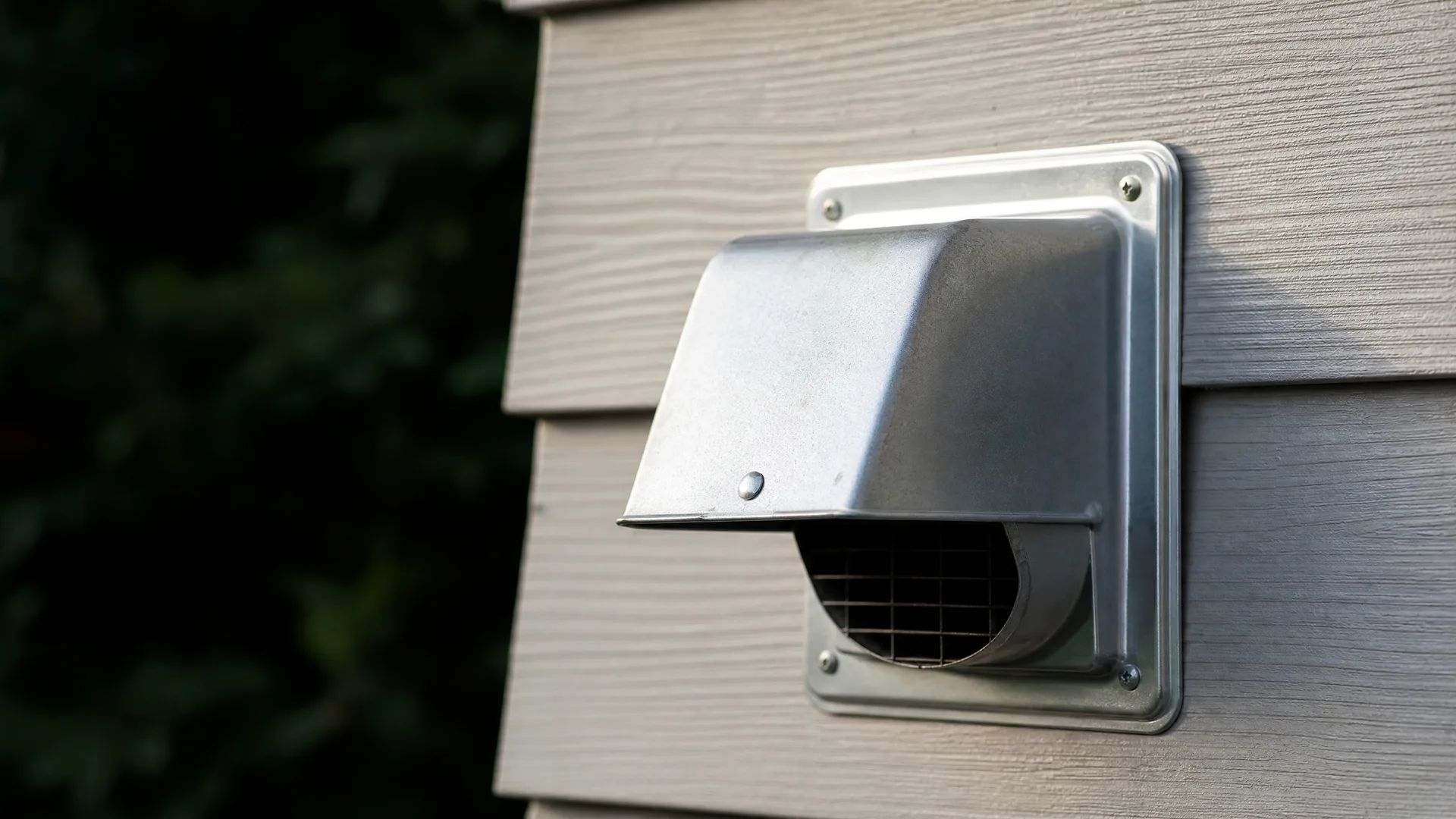
A metal hooded dryer vent with a screened opening screwed to gray lap siding, with dark blurred foliage in the background.

Find a dryer vent cleaning pro in Snohomish County

Duct and vent cleaningSnohomish County, WA
Step 1 of 3

What kind of equipment?