How often to clean a dryer vent in Everett, WA

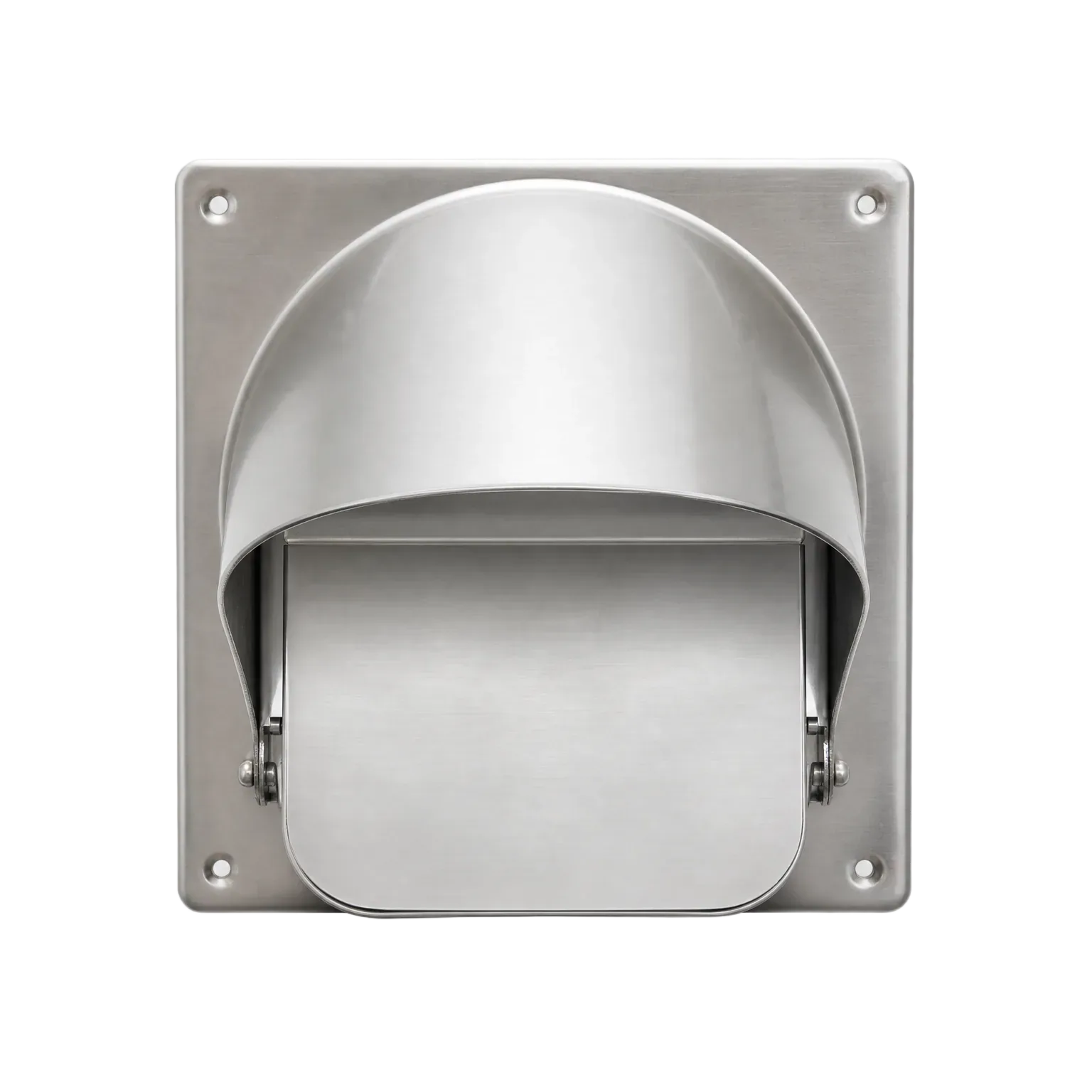
A stainless steel square wall vent with a curved hood and a hinged flap damper, shown straight on against a plain gray background.
Let a pro reach out

Once a year is right for most homes in Everett. A dryer pushes out damp, lint-filled air with every load, and that lint catches along the way, inside the duct, at the hood flap outside, wherever the run bends. A year of normal use is usually what it takes to choke that path down enough to matter. Lint piling up means the dryer runs longer to dry the same load, the exhaust has a harder time escaping, and the motor works against that resistance. If you run bigger loads often, or your vent run is long or has several turns, check it closer to every six months instead. Either way, once cleaned out, airflow goes back to normal and the dryer stops working harder than it needs to.

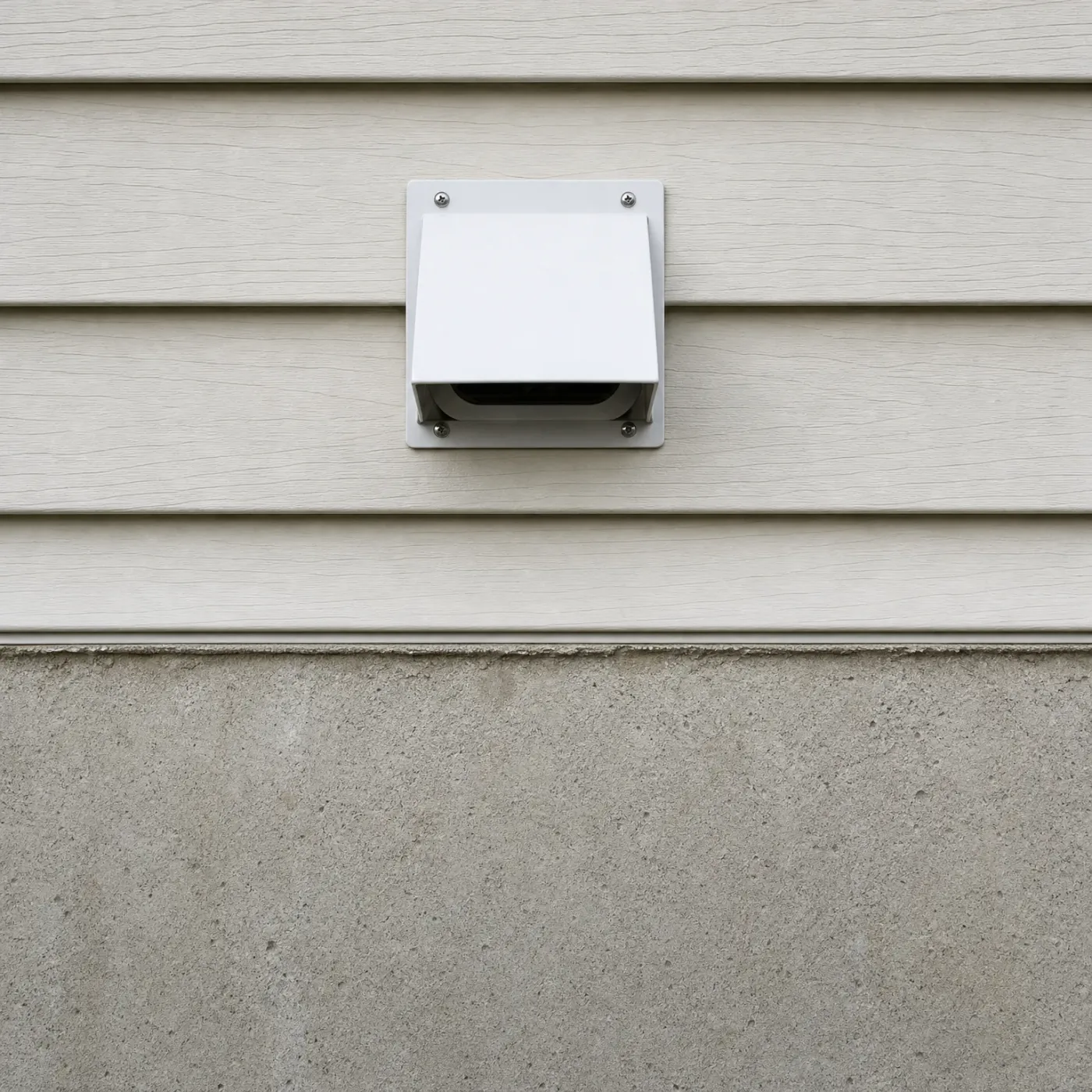
A white hooded dryer vent with a square mounting plate fastened to beige horizontal lap siding above a concrete foundation wall.
The flap opens and closes with each load, and air moves straight out through the louvers.
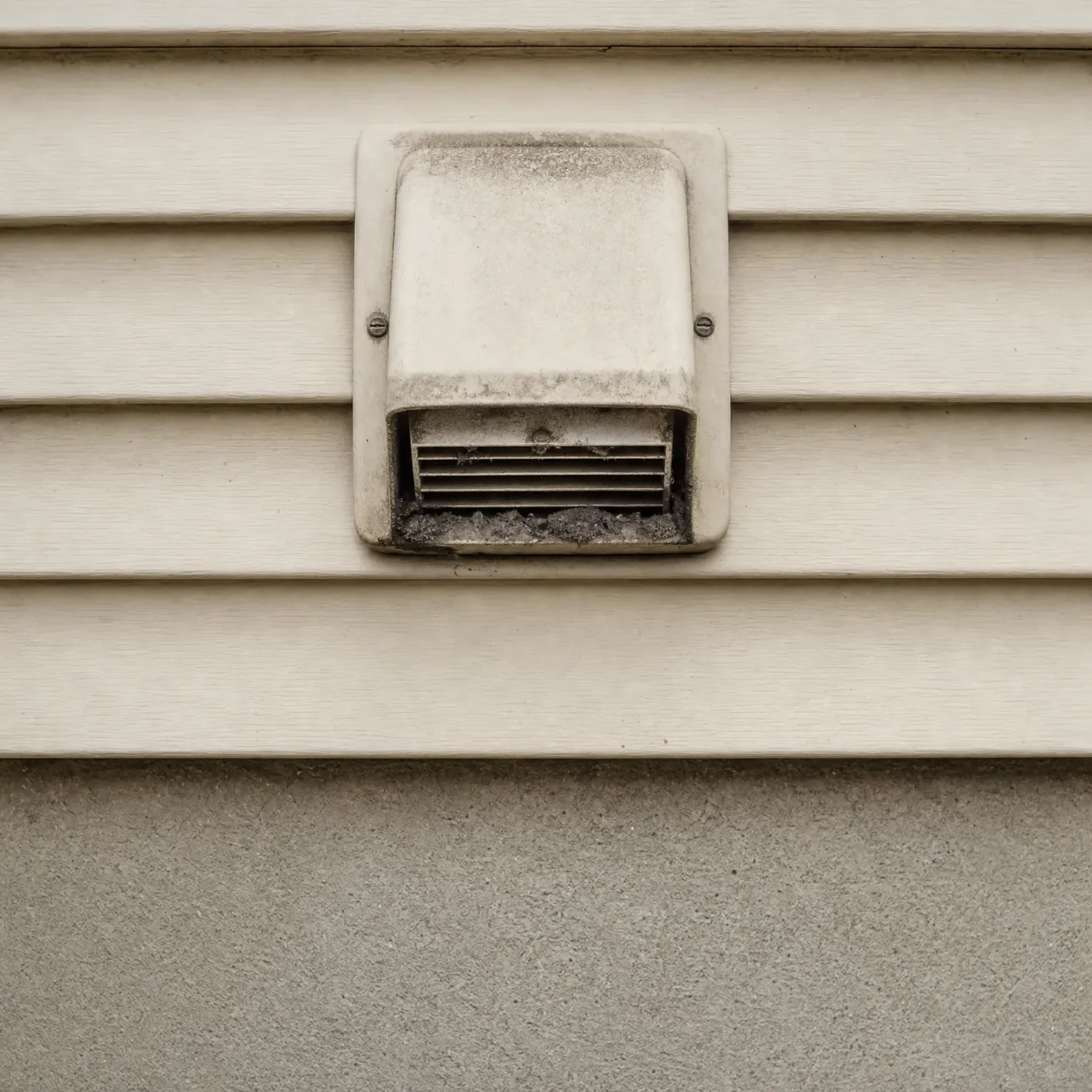
A dusty plastic louvered dryer vent hood screwed into beige horizontal vinyl siding above a gray stucco foundation wall, with lint buildup around the slats.
Lint has packed in around the louvers, and the flap can no longer sit flush or seal shut.

A dryer vent rarely clogs evenly along its length. Lint drops out where the air slows down, and that means the bends. A straight shot to the outside wall stays clear longer than a run that jogs around a joist or doubles back through an attic. If your dryer vents a long way or turns more than once or twice, plan on cleaning it more than once a year, since every bend is another spot for fibers to settle. Inside the house, watch how your dryer behaves. A load that used to finish in one cycle and now needs two is usually airflow, not a dying heating element. Outside, check the hood flap after a cycle. It should swing open while the dryer runs and drop flat shut once it's off. A flap held open by packed lint, or a damp, musty smell left in the drum, both point to air that isn't making it outside the way it should.

Where the Lint Actually Collects

  • Lint builds up fastest at the bends in the duct, where airflow slows and fibers drop out of the exhaust.
  • A dryer venting through a long run or several turns needs cleaning more than once a year, since lint has more places to catch.
  • A load that takes two cycles to dry instead of one is usually the first sign the vent is restricted, not the dryer failing.
  • The outside hood flap should swing open freely when the dryer runs and close flat again once it stops.
  • Lint that collects right at the dryer's exhaust port can choke airflow before it ever reaches the duct.
  • A musty smell at the end of a cycle often means moisture is sitting in the duct instead of venting outside.
A smiling man in a green ribbed sweater stands behind a wooden table holding a ceramic mug of coffee in a kitchen with white subway tile, shelves of potted plants, and a bowl of fruit.
A smiling man with dark curly hair and a beard, wearing a dark green knit sweater, stands at a white marble kitchen counter with a dark blue mug, with open shelving, pendant lights and a houseplant behind him.
A smiling bearded man in a green henley shirt stands at a kitchen island with a gray mug, looking off to the side, with a dining area and shelves blurred behind him.
A smiling man in a navy long-sleeve shirt sits at a wooden table in a kitchen and dining area, with a ceramic mug, a potted plant, and a sliding glass door behind him.

What does your household mean for your dryer vent?

  • 2.64 people per household on average

    Snohomish County households average 2.64 people, so most homes here run several loads a week, enough to build up lint on a steady schedule.

  • Half the homes here were built by 1990

    Half the homes in the county were built in 1990 or earlier, and older duct runs often sit longer and bend more, giving lint more places to catch.

  • Power here costs 12.70 cents per kilowatt-hour

    Power here runs 12.70 cents per kilowatt-hour, cheap enough that most people never notice a clogged vent making the dryer work harder to finish a load.

ACS 2020-2024 · EIA-861 2025

A pile of gray and blue towels sits on top of a white dryer in a dim room with a wall cabinet above and a window to the right.

It's past seven and the dryer has been running since before dinner. You open the door expecting warm, dry towels and instead get a heap that's still damp at the center, cool to the touch. You run it again. Twenty minutes later, same thing. The laundry room feels warmer than it should, a little stuffy, and the air coming off the machine smells faintly hot instead of clean. Outside, past the kitchen window, the evening has gone dark the way it does early these months in Snohomish County. You stand there refolding the same load, trying to decide if it's the machine or something else, and reaching for your phone to look it up.
Why does a load of laundry take two tries now?

You'd notice the dryer running longer than it used to, or finishing a cycle with clothes still damp instead of dry. The top of the dryer feels warm, sometimes hot, to the touch. The laundry room picks up a faint burnt-dust smell partway through a load. Outside, the vent hood flap barely lifts when the dryer runs, where it used to swing open with the airflow. Left alone, the lint keeps building and the dryer keeps working harder to push air through a duct that's closing in on itself. That's wasted electricity on every load, and a blocked vent is a house fire risk, since lint is the fuel and the heat is already right there.

A metal hooded exterior vent with a screened opening mounted on gray horizontal lap siding, with a plain white wall at right.

Why the duct itself matters

A rigid metal duct gives lint fewer places to grab. A long run of flexible duct, the kind with ridges, catches lint at every ridge along the way. If your dryer vents through a crushed section or a tight turn behind the machine, that spot fills in first, long before the rest of the run shows any buildup at all.

A white plastic hooded dryer vent cover screwed to light gray horizontal lap siding at an exterior wall corner.

What the lint trap doesn't catch

The lint trap in the door catches what it can, but a good share of lint rides past it and into the duct anyway. Dryer sheets make this worse over time, leaving a film on the trap's mesh that lets even more lint slip through. None of that film or lint stops moving until it reaches a bend, the hood, or the inside wall of the duct.

2.64 people per household on average

With 2.64 people in the average Everett household, that's a load of laundry most days, not just on weekends. That kind of steady use is exactly what fills a vent with lint fast enough to need a yearly cleaning.

ACS 2020-2024

A bearded man in a dark gray T-shirt sits smiling on a light gray couch, with a houseplant and a framed picture on the wall behind him.
A bearded man in a red and dark plaid flannel shirt looks out a frost-edged window at a snow-covered yard, with a gray mug on the sill in the foreground.
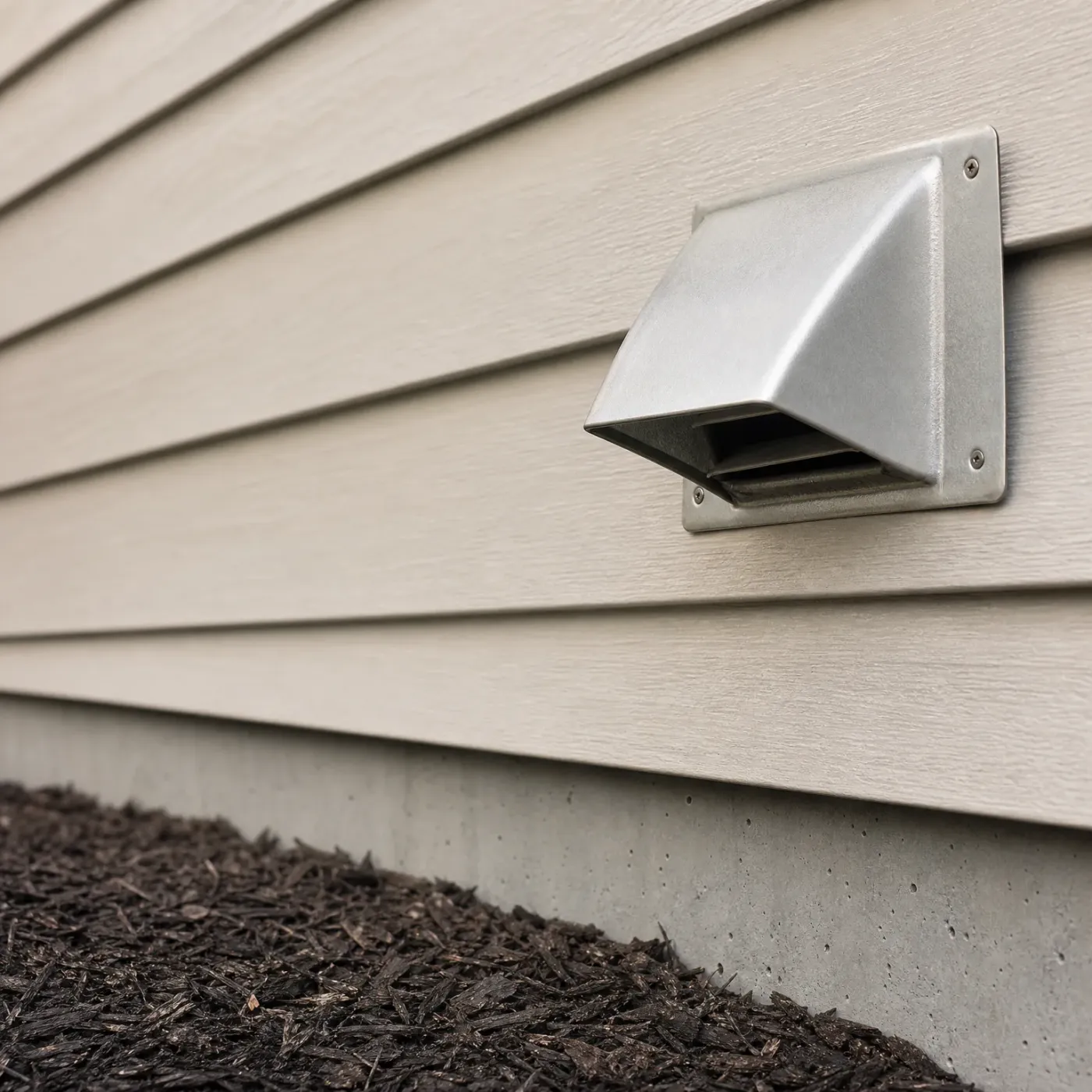
A metal hooded exterior dryer vent with louvered opening mounted on beige lap siding above a concrete foundation bordered by dark mulch.

Finding a pro stops being your job

Skip searching for someone who cleans dryer vents in Snohomish County.

After this form, you can stop searching for a dryer vent pro.

Describe it once

There's no charge for the request.

Does it matter what kind of dryer vent duct I have?

You've seen the flexible foil duct behind your dryer, the kind with ridges running along it, and wondered if that's part of why lint builds up the way it does. Not every home in Everett has the same setup back there, and what the duct is made of and how it runs changes how much lint it holds and how often it needs attention.

Yes, the duct material changes how often it needs cleaning

A rigid metal duct runs smooth on the inside, so lint has fewer places to catch and mostly rides straight through to the hood. Flexible duct, the kind with ridges, grabs lint at every ridge along the way, and a long run of it fills up faster than a short rigid one. If your duct bends more than once or twice between the dryer and the wall, lint collects at each turn, not just along the straight stretches. A home with a straight, short, rigid run might stretch past a year between cleanings. A home with a long flexible run, several bends, or a crushed section behind the machine needs it checked more than once a year, because the lint has more places to catch before it ever gets outside.

  1. Lint sheds off every load and rides the exhaust air toward the hood.

  2. Moving air slows at each bend, and lint drops out there first.

  3. Lint builds up layer by layer along the duct walls over months.

  4. The narrowed duct makes the dryer push harder to force air through.

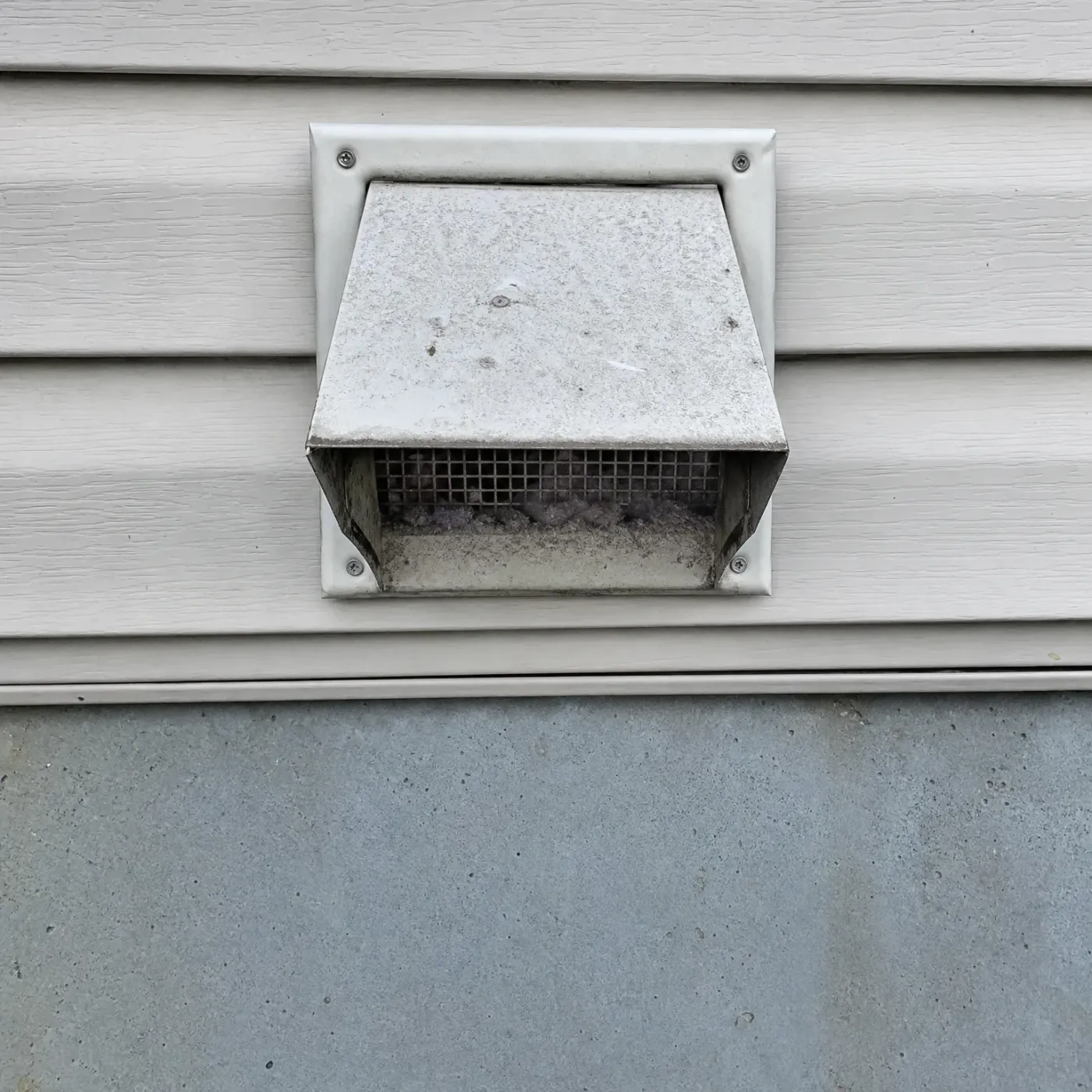
A metal dryer vent hood with a screened opening clogged by gray lint, mounted on light gray horizontal vinyl siding above a concrete foundation wall.
Before you get your dryer vent cleaning
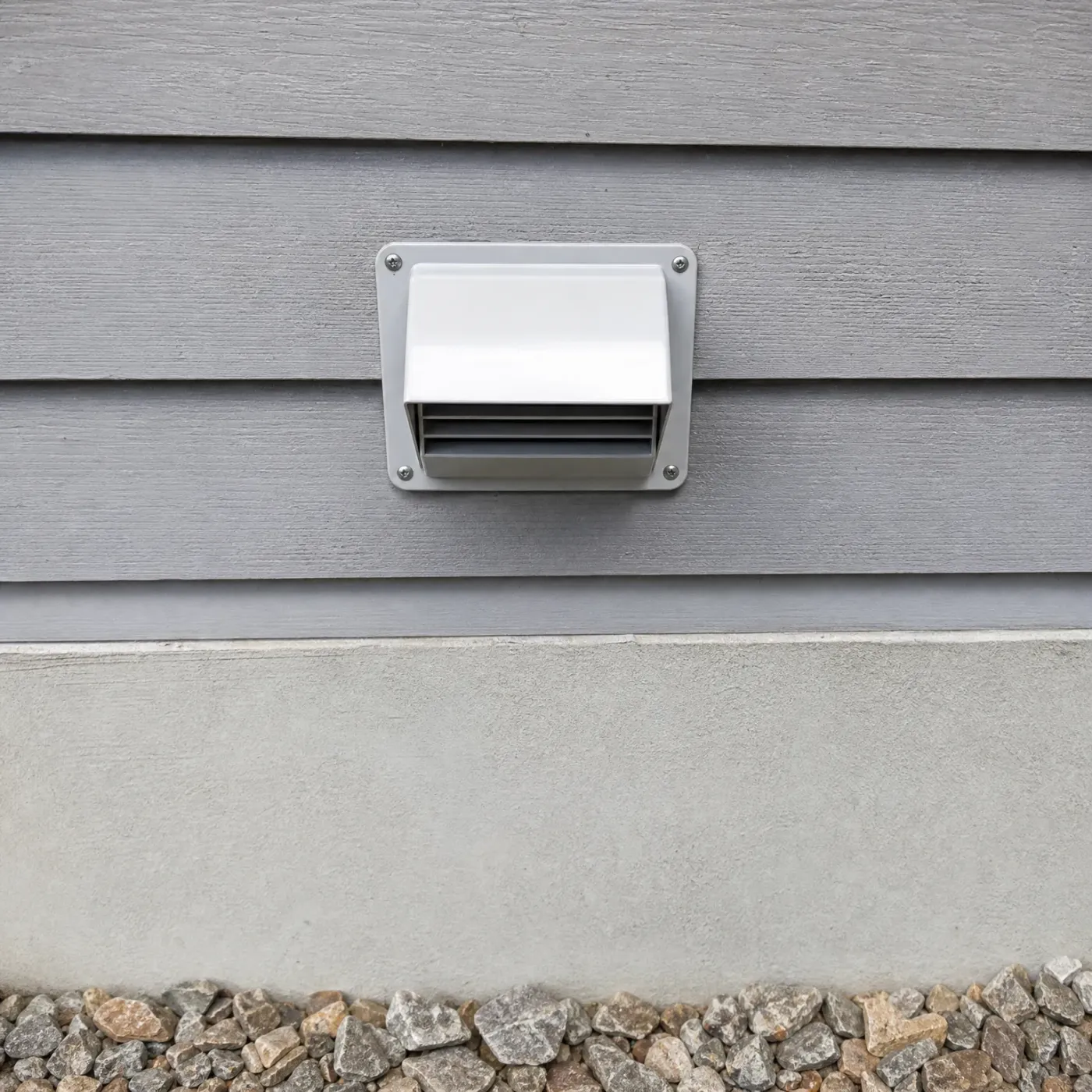
A white hooded louvered vent screwed to gray horizontal lap siding above a concrete foundation wall, with gravel along the ground.
After you get your dryer vent cleaning

Clean It Yearly or Wait It Out

Clean on schedule

  • A once-a-year cleaning keeps the duct open enough that the dryer runs a normal cycle, start to finish, without a second pass.
  • Lint gets cleared before it reaches the bends in the duct, so there's nowhere for it to pack in and choke the airflow.
  • The exhaust flap outside keeps opening fully with each load and sealing shut between loads, the way it's meant to.
  • Loads keep finishing in one cycle, so you're not running the dryer twice to get the same stack of towels dry.
  • A straightforward cleaning each year costs far less than a service call after the vent is already packed solid.

Let it ride

  • Lint keeps building layer by layer along the duct walls, and each load adds to what's already stuck there.
  • Loads start taking two tries, with clothes coming out still damp or barely warm at the center.
  • The laundry room picks up a warm, lint-smelling air that wasn't there before, a sign exhaust isn't making it outside.
  • The flap at the hood can get packed in around the louvers until it won't sit flush or close all the way.
  • A dryer fighting a blocked vent runs its heating element and motor harder for longer, on every single load.
A white hooded dryer vent with a screened opening mounted on beige horizontal lap siding.

Vent working clear

This is what a clear vent looks like from outside. The louvers swing open when the dryer runs and snap shut when it stops. Air moves straight out with each load, no resistance behind it, and the screen behind the louver keeps pests out without blocking the flow.

A dirt-streaked white plastic dryer vent hood screwed to light gray horizontal lap siding above a concrete foundation wall.

Vent choked with lint

This is what months of uncleaned lint look like. It's packed in around the louvers thick enough that the flap can't sit flush anymore, let alone seal. Air that should shoot straight out instead pushes past a narrow, clogged opening, and the dryer works harder to get it there.

A closed laptop and a speckled ceramic mug sit on a wooden table beside a stoneware vase with a leafy branch, with a wooden chair, kitchen counter with cutting board and bowl, and dark upper cabinets in the dim background.

Once a year, on a normal schedule

That's where this lands. A home running a load most days keeps lint moving into the duct at a steady rate, and a cleaning once a year clears it before it packs in at the bends or behind the hood flap. A longer run or a duct with several turns needs more frequent attention, but for most households around Everett, once a year keeps the dryer running a normal cycle instead of two.

Finding someone to do this isn't the part you should have to work for. Sending the form here means you're not calling around to ask who services dryer vents, not explaining the same thing to three different companies, not sitting with quotes trying to guess which one actually knows what they're doing. That search is the part that goes away.

Interior corner of a room with a dark upholstered sofa and textured cushion, a potted plant, sheer curtains at a multi-pane window showing blurred green and yellow trees, and a dark table holding a wooden tray with stacked coasters and a small ceramic vase.
A metal hooded exterior vent cover mounted on dark gray horizontal lap siding, photographed at an angle along the wall.

Let someone else find the pro

Answer a few questions about the dryer vent cleaning and skip the search.

Duct and vent cleaningSnohomish County, WA
Step 1 of 3

What kind of equipment?