Get matched with a duct system pro in Pierce County
Signs of leaky ductwork in Tacoma, WA
Warm air out of the registers, rooms that never feel right, a power bill that doesn't match the weather. Leaky ducts show up in small clues like these before they show up anywhere obvious. This page walks through what to look for in your own house, room by room and vent by vent, so you know what you're actually dealing with before anyone sets foot in your attic or crawl space.
Get matchedA room or two that never gets warm or cool like the rest of the house is usually the first sign. So is a bill that climbs even though you haven't changed how you run the heat. Ducts run through crawl spaces, attics and walls, and at the joints where sections connect, the seams can pull apart or the tape and mastic can fail over the years. Once that happens, the air your heat pump or furnace just conditioned leaks out into spaces nobody lives in instead of reaching the register. You might notice a hissing sound near a duct joint, dust blowing out stronger from some vents than others, or a crawl space that stays warmer than it should in winter. None of this means the system itself is failing. It means the air it makes isn't getting to you, which is why the house feels uneven and the bill doesn't match the weather outside.
Why would your ducts be losing air in the first place?
Half the homes here were built by 1986
Half the homes in Pierce County were built in 1986 or earlier. Duct joints that age have had decades to work loose at the seams.
Heat runs September through June
Heat runs about ten months a year here, September through June. Ducts that leak are under strain nearly the whole year, not just a few cold weeks.
Power here costs 13.52 cents per kilowatt-hour
Power here runs 13.52 cents per kilowatt-hour. Air leaking out of a duct run is heat you paid for that never reaches the room.
ACS 2020-2024 · NOAA nClimDiv 1991-2020 · EIA-861 2025
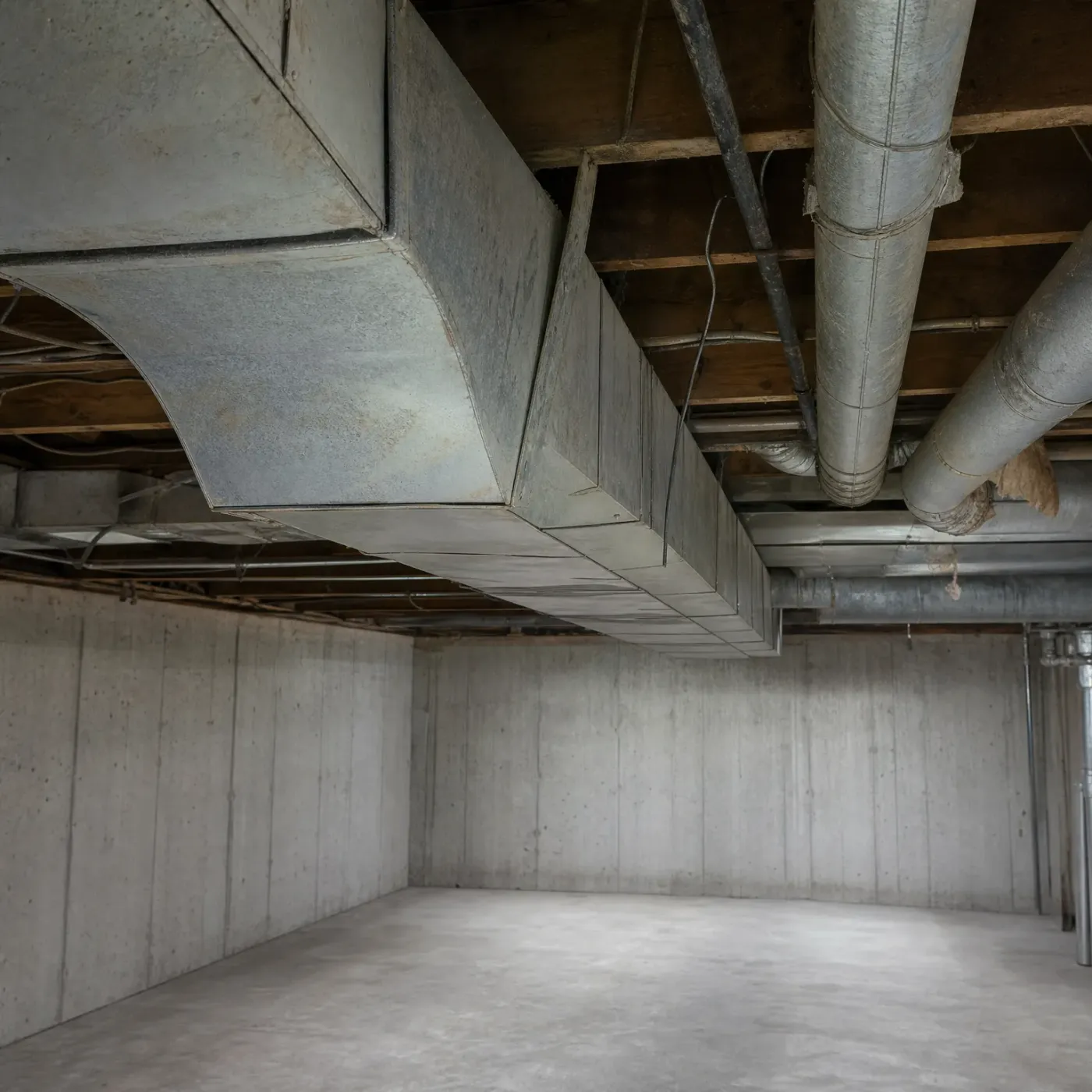
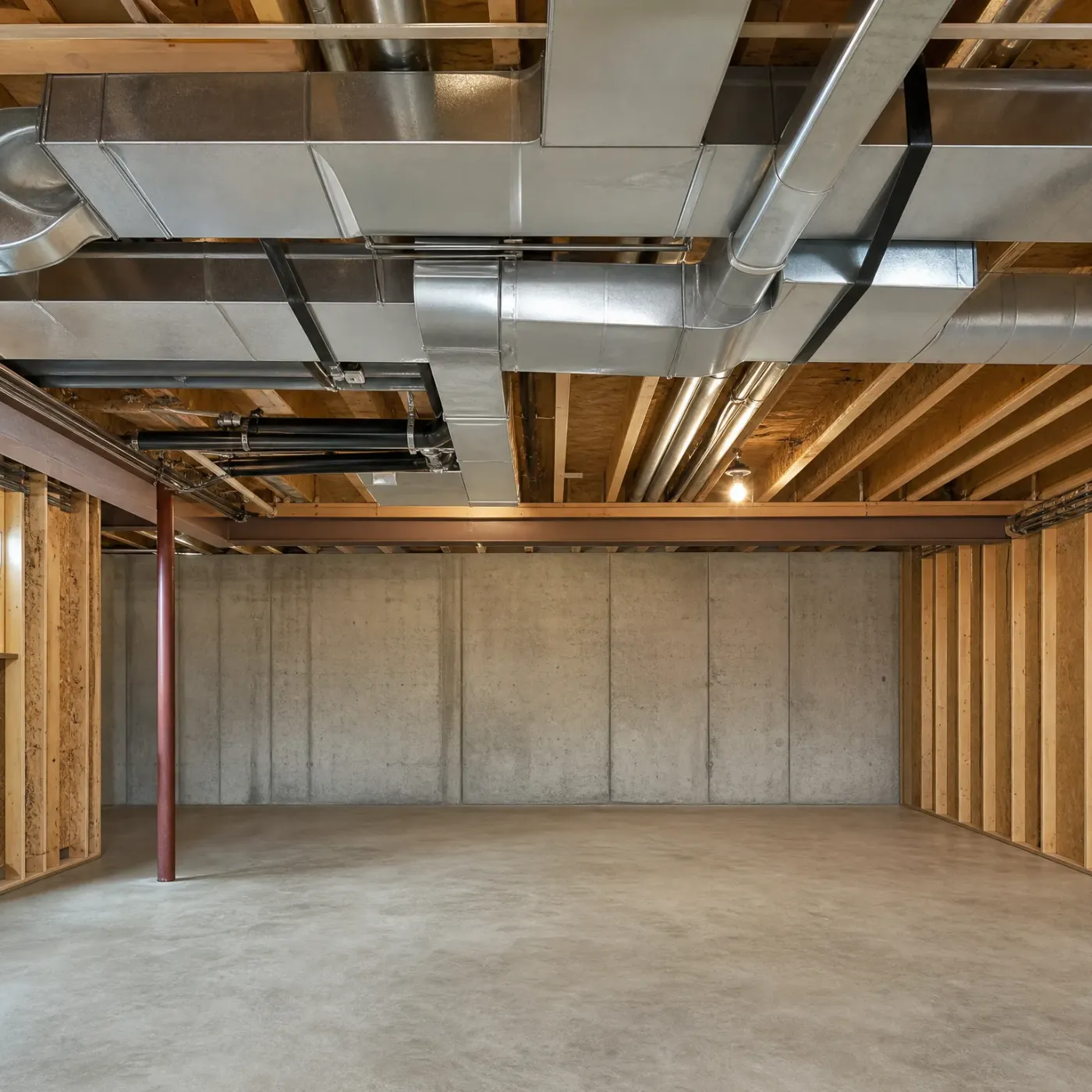
A duct that's lost its seal doesn't leak air evenly along its length. Most of the loss happens right at the joints, where one section of duct meets the next and was sealed with mastic or tape when it went in.
Once that seal dries out and separates, conditioned air escapes into the crawl space or attic it's running through instead of reaching the room it was sent to heat or cool.




Can I check for leaky ducts myself before calling anyone?
You want to know if there's something you can look at yourself before you pick up the phone. You're not trying to fix the ducts, just figure out if that's really what's going on before you spend an evening calling around about it.
Yes, a few checks tell you if ducts are the problem
Walk the house with the heat running and hold your hand near each register. One that's barely pushing air while the others are warm points to a duct that's losing its output somewhere between the furnace and that room. If you can get into the crawl space or attic, look for duct sections where the tape or mastic at the joint has pulled away, and feel for air moving at those spots. A utility bill that's climbed without a change in how you run the heat backs up what you're feeling at the registers. None of this tells you how much air you're losing or where every leak is, but it's enough to know whether a closer look is worth it.
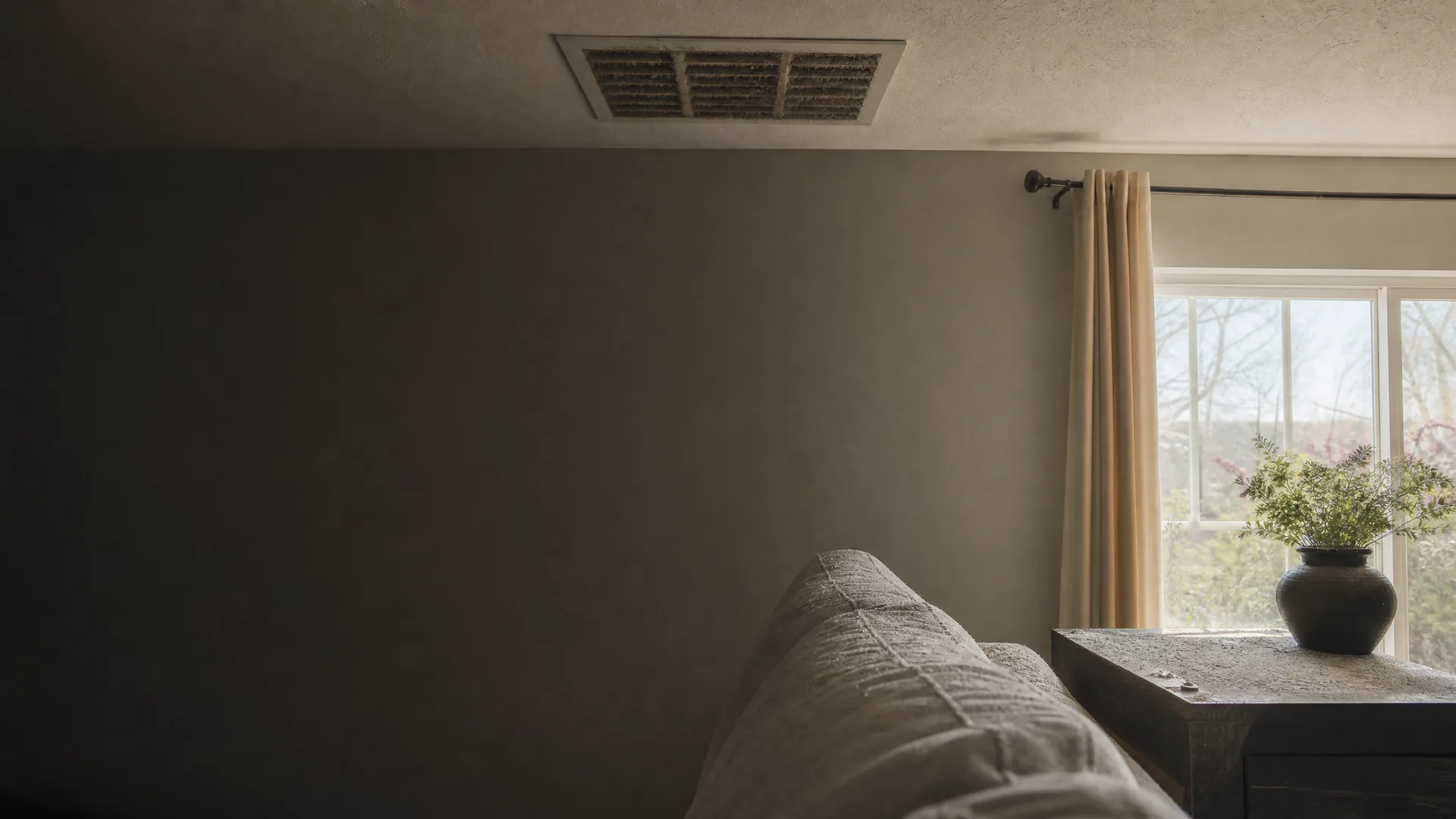
It's a spring afternoon and the heat's been off for a week or two. You're sitting on the couch when the light through the window catches the ceiling vent above you, and you notice the grille is gray with dust, more than you remembered. You run a finger along the end table and find the same film there, and on the lamp shade next to it. Nobody's been burning anything. The windows have been open most days. You look back up at the vent and wonder how long it's been pushing that into the room every time the furnace ran, all the months before this one, without you ever thinking to check.
Half the homes here were built by 1986
If your house went up around 1986 or before, its ductwork has been through decades of furnaces cycling on and off, seasonal settling, maybe a remodel or two. Those joints have had a lot of chances to loosen. Newer construction has had less time for that to happen.
ACS 2020-2024


Find a duct system cleaning pro in Pierce County
You've probably already noticed one or two of these in your own house: a room that never quite warms up, a vent that barely breathes, a bill that doesn't match what the thermostat's doing. None of that tells you how bad the leak is or where it's actually happening, and crawling into an attic or crawl space to find a separated joint isn't something most people want to take on. A contractor who works on ducts in Pierce County homes can trace the runs, find where the seal has failed, and tell you what it would take to close it back up. Getting there yourself means finding someone who does this work, calling a few, explaining the same symptoms more than once, then sitting with quotes that are hard to compare because you don't know what each one actually checked. Handing that off means one contractor looks at your specific house and your specific ducts, instead of you doing the legwork to find out who's worth calling.
What you know now
- A room that won't hold temperature, a vent with weak airflow, and a bill out of step with the thermostat are the three signs worth watching.
- None of those signs on their own tells you where the leak is or whether it's at one joint or several.
- Ductwork in a crawl space or attic can't be checked by eye the way a filter or a thermostat can.
- A house built around 1986 or earlier has had decades of joints working loose, but newer construction isn't guaranteed tight either.
- The only way to find the leak itself is a pressure test or a walk-through by someone who does this work.
A room that runs warm or cold, a vent that barely moves air, a bill that climbs on its own. Those three signs are what tell you something's wrong. They don't tell you where. The leak could be one loose joint near the furnace or it could be spread across several, out in the crawl space or up in the attic where you can't get a look at it without crawling in after it. That's the part a homeowner can't finish alone. You can notice the signs. Finding the actual break in the duct takes a pressure test or someone walking the system section by section, and that's a different job than checking a filter or bumping a thermostat.
If your house went up around 1986 or earlier, the odds of a loosened joint somewhere are higher, just from the years of furnace cycles and settling behind it. A newer house isn't automatically sealed tight either. Either way, the only way to know for certain is to have it checked.
That's where this stops being something to figure out on your own. Instead of calling around to different duct companies, explaining the same symptoms to each one, and trying to sort through quotes that don't describe the same job, you can get matched with a contractor who handles this kind of work and have them reach out to you directly. You've already done the part that matters, noticing something was off. What's left is getting someone qualified to find it.

Ductwork Cleaning
Matched to your ductwork job

- Get matched with a Pierce County pro who cleans ducts.
- Get matched with a pro who works on ducts in Pierce County.

- Send the form and the duct cleaning stops sitting on your list.
- Send the request and finding a pro stops being your problem.

- Answer a few questions instead of calling shop after shop.
- Describe your ductwork job once, to one pro.

- The pro who gets in touch is licensed in Washington and works in Pierce County.
- A licensed pro who works in Pierce County gets your request.