 Get my match
Why your vents smell musty in Washington
A local pro who cleans ducts gets in touch with you.
A musty smell coming from your vents usually means moisture is sitting somewhere in the duct system, not passing through it. Washington doesn't give you the thick, heavy summers that push humidity into a house the way other places do, so if your ducts smell damp, something else is going on. Standing water in the duct, a clogged drain pan if you've got central air, dust and debris that's held onto moisture, or growth building up inside where you can't see it.
With most homes here heating with electricity, your ducts may be doing less constant work than in places where a furnace runs hard all winter, which can mean dust and moisture sit undisturbed longer between heavy use. A duct system that isn't moving air hard and often is an easier place for a musty smell to take hold and stay.
Finding out what's actually in your ducts means getting a look inside them, something you can't do yourself with a flashlight at a vent cover. That's a job for someone who does this work regularly, and most homeowners don't have a go-to person already lined up for it.
Instead of searching through contractors, reading reviews you can't verify, and calling a handful of companies to describe the same smell over and over just to get a few quotes to compare, you can skip straight to the part that matters. Tell this page what's going on, and a contractor who handles duct cleaning in your area will be matched to your situation and will reach out to you directly. No repeating yourself to five different companies, no guessing which one actually knows what they're doing.
The section below walks through what's likely causing the smell in your specific case. When you're ready to do something about it, the button is right there.
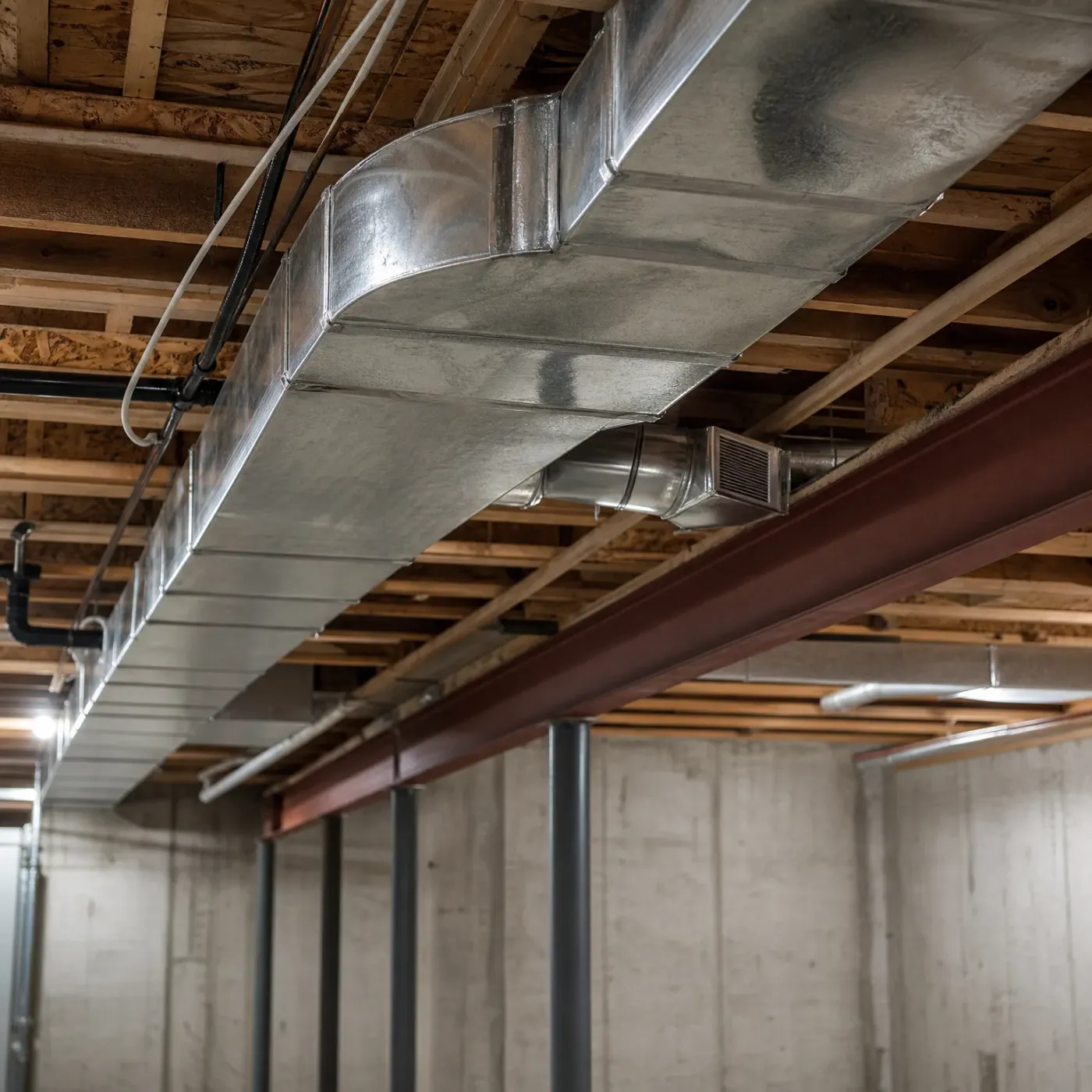
A musty smell from your vents usually means mold or mildew is growing somewhere inside the duct system, often in a section that stays damp longer than the rest. Washington's mild, dry summers mean that moisture isn't coming from humid outdoor air the way it does elsewhere. More often it traces back to a duct run near a crawlspace, a condensate drain that isn't clearing, or dust and debris inside the ducts holding onto moisture after the system runs. Once mold takes hold on that buildup, the smell comes through the vents every time air moves, not just sometimes. It won't go away on its own, and masking it doesn't touch what's growing inside the ducts. The only way to know what you're dealing with, and where, is to have the system opened up and inspected section by section.


The coil on your air handler sweats when it runs, and that's where most of the moisture in your ducts starts out. It doesn't take long cooling runs to do it here, since Washington summers don't ask much of the system. In a lot of homes that heat with electricity, the furnace blower shares the same ducts as the AC, so whatever dampness sits near the coil gets pushed through the whole run instead of staying in one place. Dust along the way holds onto that moisture rather than letting it dry off, and that's what gives mold something to grow on. Any stretch of duct that passes through a crawlspace or other unconditioned space runs colder than the rest, so it collects condensation first and holds onto it longest. That's usually where the smell is coming from, one section rather than the whole system, which explains why it can seem to clear up and then come back. If you can get to a duct run and find standing water or wet debris at the bottom, that's moisture that's been sitting for a while, not just passing through.
Where the moisture actually collects
- Moisture inside ducts mostly comes from the air handler coil, which sweats condensation during the brief stretches it runs for cooling.
- In an electric-heat home, the furnace blower often shares that same duct run, so damp air gets pushed through the whole system instead of staying put.
- Dust sitting in the ducts holds onto that moisture longer than bare metal, which is what lets mold and mildew take hold.
- A section of duct that runs through a crawlspace or unconditioned area stays colder than the rest, so condensation collects there first.
- The smell usually traces back to one damp section rather than the whole system, which is why it can fade in and come back later.
- Standing water or wet debris at the bottom of a duct run is a sign the moisture has been sitting there for a while, not just passing through.




A local pro for your ductwork cleaning
Skip calling around for someone who cleans ducts.
Your duct cleaning request goes to a local pro who does this work.
You only hire the pro if you want to.

What that smell is doing to your house
Every time the blower kicks on, it pushes that musty air into whatever room it's feeding. You'll notice it most in a bedroom or a space that doesn't get much airflow otherwise. Clothes in a closet near a vent can pick up the smell. So can carpet. It's not just unpleasant. Mold sitting in the ducts is mold your household is breathing in every day the system runs, and in an electric-heat home that's most of the year.
Finding someone who actually cleans ducts, rather than just offers to, takes more calling around than you'd expect. Getting a straight answer on what's involved, checking they're licensed for it, comparing what each one quotes you for the same job. Once you're matched with a contractor who handles duct cleaning for houses like yours, that work is done, and they'll reach out to go over what your system needs.

Power costs 13.17 cents per kilowatt-hour statewide
At 13.17 cents a kilowatt-hour, running the blower more than you need to costs real money. Damp, musty ducts make the system work harder to push air through, and with electric heat covering most of the house, that extra runtime shows up on the bill fast.
EIA-861 2025 statewide residential average

Spring sun comes in low through the living room window, and you finally see it: a gray film across the ceiling vent grille, thick enough to shadow the slats. You run a finger along the top of the picture frame on the bookshelf below it and it comes away coated. The TV stand has the same fine layer, like it's been weeks since anything moved air through that room. You hadn't noticed the smell so much as this, the dust sitting where the vent breathes out, settling on everything in its path. The heat's barely running this time of year, just the odd morning chill, but when it does kick on you can see a little of that dust lift and drift before it resettles on the couch cushion.




Where the smell actually comes from
- A musty vent smell almost always points to moisture trapped in the ducts, not outdoor humidity.
- In a Washington home, that moisture usually starts at the coil and spreads through the same ducts your electric furnace uses to heat the house.
- Once mold takes hold in a duct run, it keeps growing between the joists long after the coil itself dries out.
- The smell means the blower is pushing that air into whatever rooms it feeds, not that your whole house is affected equally.
- Cleaning the duct system removes the moisture source rather than just covering the smell with an air freshener or new filter.
- Finding a contractor who actually services duct systems, rather than just HVAC repair, usually takes more calls than people expect.
The smell in your vents is moisture, not something you can mask from the outside. It starts small, usually at the coil, and spreads through the same ducts your electric furnace relies on to heat the house all winter. Once it settles into a run between the joists, it keeps growing even after the coil itself is dry again. That's why a new filter or a can of spray doesn't fix anything. It sits on top of the smell for a day or two and then you're back where you started, because the moisture that's feeding it never left.
Figuring out who actually handles this is its own chore. Most HVAC companies answer calls about a furnace that won't start or an AC that's blowing warm air. Duct cleaning is a different service, and not everyone who fixes equipment does it. You end up calling a handful of places, explaining the smell and where it's worst, getting told it's not something they handle, and starting over with the next name on the list. Some quote over the phone without seeing the ducts, others want to come out first, and comparing those against each other takes time most people don't have to spend on a smell they just want gone.
The ducts themselves won't tell you how bad it is until someone's inside them. What you know now is enough to know it's worth having someone look.
Get the right pro for your ductwork
Answer a few questions about the duct cleaning and skip the search.